The use of chemicals in industry exists because modern economies rely on chemical reactions and compounds to transform raw resources into finished goods. For example, ammonia supports fertilizer production, sulfuric acid is key in battery manufacturing, and ethylene is essential for producing plastics.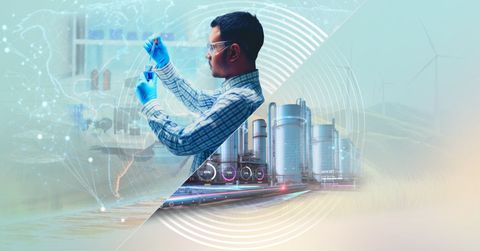
Over time, the chemical industry has shifted from small-scale manual production to automated, large-scale operations. With this expansion came the need for stronger safety protocols, environmental regulations, and technological solutions for monitoring and controlling hazardous materials.
Importance of Industrial Chemicals
Industrial chemicals matter because they impact nearly every sector of society.
Key Dimensions
- Economic Value: Chemicals drive industrial growth across agriculture, energy, construction, healthcare, and consumer goods
- Safety Concerns: Many chemicals are hazardous and require proper handling, labeling, and storage
- Environmental Impact: Mismanagement can cause pollution, making compliance with standards essential
Who It Affects
- Manufacturers and factories relying on chemicals for production
- Farmers using fertilizers and agrochemicals
- Healthcare providers using pharmaceuticals
- Regulatory bodies enforcing compliance
- Workers and communities exposed to chemical handling
Problems It Solves
- Enables mass production of goods
- Improves agricultural productivity
- Provides raw materials for medicine, energy, and infrastructure
- Supports innovation in electronics and renewable energy
Recent Updates and Trends (2024–2025)
The industrial chemical sector has experienced major advancements focused on sustainability and digital transformation.
Key Developments
- Sustainability Initiatives: Increased use of bio-based chemicals to reduce fossil fuel dependency
- Digital Monitoring Systems: IoT and AI used for real-time tracking of hazardous substances
- Rising Demand: Growth in specialty chemicals for renewable energy and electronics
- Stricter Safety Rules: Updated workplace exposure limits in multiple countries
- Circular Economy: Recycling and chemical recovery processes gaining adoption
Laws and Policies
Industrial chemical use is governed by strict global and national regulations.
Key Regulations
- REACH (EU): Registration and safe use of chemicals
- OSHA (US): Workplace safety and exposure standards
- EPA (US): Pollution control and hazardous waste management
- BIS (India): Manufacturing and safety guidelines
- GHS: Global standard for labeling and classification
These frameworks ensure safe production, protect workers, and minimize environmental risks.
Tools and Resources
Various tools help manage industrial chemicals safely and efficiently.
Key Resources
- Safety Data Sheet (SDS) Databases: Provide hazard and handling information
- Chemical Inventory Software: Tracks storage and compliance
- Hazardous Material Calculators: Estimate exposure risks
- Mobile Safety Apps: Tools like ChemAlert and SDS Manager
- Government Portals: OSHA, EPA, and ECHA for regulations
- Training Modules: Online safety and compliance programs
Table: Traditional vs Modern Chemical Management
| Aspect | Traditional Methods | Modern Systems with Digital Tools |
|---|---|---|
| Record Keeping | Manual logs | Cloud-based systems |
| Safety Monitoring | Reactive | Real-time IoT tracking |
| Compliance Reporting | Manual audits | Automated reports |
| Worker Training | Classroom-based | Online and simulation-based |
| Environmental Control | Limited tracking | Full lifecycle monitoring |
Frequently Asked Questions
What are industrial chemicals?
They are compounds used in large-scale manufacturing, agriculture, and other industries.
Are all industrial chemicals hazardous?
Not all, but many require strict handling and safety procedures.
How are industrial chemicals regulated?
Through frameworks like REACH, OSHA, EPA, and BIS to ensure safe use and disposal.
What are examples of industrial chemicals?
Sulfuric acid, ammonia, chlorine, and ethylene are widely used in various industries.
How do companies ensure chemical safety?
By using safety data sheets, training employees, monitoring exposure, and following regulations.
Conclusion
Industrial chemicals form the foundation of modern industry, supporting everything from agriculture to advanced technology. Their importance is balanced by the need for strict safety measures and environmental responsibility.
With trends like digital monitoring, bio-based production, and circular economy practices, the industry is evolving toward safer and more sustainable operations. Understanding these aspects helps organizations and individuals use industrial chemicals responsibly while contributing to global development.