Explore Wedding Band Trends 2026: Latest Diamond Wedding Ring Designs
Wedding bands have become an important part of modern wedding traditions, combining personal meaning, jewellery craftsmanship, and changing design preferences. In 2026, diamond wedding bands are reflecting a wide range of styles, from traditional gold rings to contemporary platinum bands, lab-grown diamond designs, and personalised jewellery.
Modern diamond wedding ring designs are increasingly influenced by individual preferences, lifestyle requirements, sustainability discussions, and developments in jewellery technology. Some couples prefer simple, understated bands, while others explore intricate diamond settings, mixed metals, and distinctive shapes.
Understanding these developments helps people learn about diamond quality, wedding band materials, ring settings, and the design considerations that influence contemporary jewellery.
Understanding Wedding Band Designs in 2026
What Are Wedding Bands?
A wedding band is a ring traditionally exchanged during a marriage ceremony to represent commitment and partnership. It is generally designed for regular wear, which makes durability, comfort, and personal preference important considerations.
Wedding bands are available in several materials, including:
Yellow gold, known for its traditional appearance.
White gold, recognised for its bright, silver-toned finish.
Rose gold, featuring a warm pinkish appearance.
Platinum, valued for its density and durability.
Palladium, a naturally white precious metal.
Alternative metals, including titanium and tungsten.
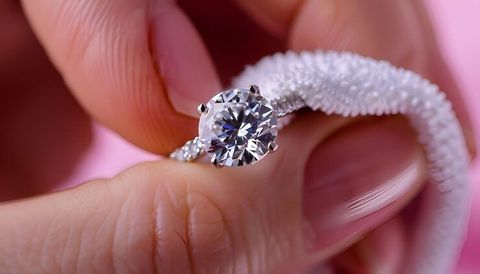
Diamond wedding bands incorporate one or multiple diamonds into these materials. Their designs range from simple diamond accents to full-eternity bands featuring stones around the entire ring.
How Diamond Wedding Ring Designs Have Changed
Traditional wedding bands generally featured plain metal surfaces with minimal decoration. Contemporary designs include different diamond arrangements, geometric patterns, mixed-metal combinations, and customised details.
Popular design categories include:
Classic diamond bands: Simple rings featuring a single row of diamonds.
Eternity wedding bands: Rings with diamonds arranged around the entire circumference.
Half-eternity bands: Designs featuring diamonds across the visible upper portion.
Pavé diamond bands: Small diamonds positioned closely together to create a continuous appearance.
Channel-set wedding rings: Diamonds placed within a protective metal channel.
Contour wedding bands: Curved designs created to sit alongside engagement rings.
These variations provide different visual appearances and practical characteristics.
Why Modern Diamond Wedding Bands Matter
Personal Expression and Jewellery Preferences
Wedding jewellery increasingly reflects individual style rather than following one traditional design. Couples may choose matching bands, complementary rings, or completely different designs.
Personalisation can include:
Engraved initials or meaningful dates.
Different diamond shapes and arrangements.
Contrasting gold and platinum combinations.
Unique band profiles and decorative patterns.
Birthstone accents alongside diamonds.
These features allow wedding jewellery to reflect personal preferences while maintaining its traditional significance.
Comfort and Everyday Durability
A wedding band is generally intended for frequent use. Therefore, its shape, thickness, setting, and material can influence long-term comfort.
For example, low-profile diamond settings may reduce the possibility of catching on clothing. Comfort-fit wedding bands have slightly rounded inner surfaces, helping the ring sit comfortably around the finger.
People who regularly work with their hands may consider simpler designs with securely positioned diamonds.
Understanding Diamond Quality
Diamond quality is commonly evaluated through the 4Cs:
Diamond characteristic | What it describes |
|---|---|
Cut | How effectively the diamond interacts with light |
Colour | The degree of colourlessness |
Clarity | The presence of internal or external characteristics |
Carat | The diamond's weight |
These characteristics help explain differences between natural and lab-grown diamond jewellery.
Diamond certification and grading reports also help document important stone characteristics.
Latest Diamond Wedding Band Trends for 2026
The 2026 wedding jewellery landscape reflects a combination of traditional craftsmanship and modern design experimentation. Recent industry coverage highlights growing interest in personalised rings, vintage-inspired diamond cuts, sculptural metalwork, and distinctive settings.
Vintage-Inspired Diamond Wedding Rings
Vintage-inspired diamond wedding bands are gaining attention among people who appreciate historical jewellery styles. Designs influenced by Art Deco, Edwardian, and Victorian craftsmanship incorporate detailed metalwork and distinctive diamond arrangements.
Common characteristics include:
Milgrain edges featuring small decorative metal beads.
Filigree patterns with intricate metal detailing.
Old European and Old Mine diamond cuts.
Floral-inspired settings and engraved surfaces.
Antique-style platinum and yellow gold combinations.
These designs combine traditional jewellery techniques with contemporary proportions.
Lab-Grown Diamond Wedding Bands
Lab-grown diamonds remain an important development in the diamond jewellery industry. They are created through technological processes that replicate the conditions under which diamonds form naturally.
Lab-grown diamonds have essentially the same chemical composition and crystal structure as natural diamonds. However, their origin is different, and appropriate identification and disclosure are important.
In a 2026 industry analysis using appraisal data, lab-grown diamonds represented 18.5% of wedding band appraisals in 2025. This provides an indication of their presence in the wedding jewellery category, although it does not represent the entire global market.
Minimalist and Stackable Diamond Bands
Minimalist wedding bands feature clean shapes, delicate profiles, and small diamond accents. They are frequently combined with engagement rings to create layered jewellery arrangements.
Popular variations include:
Thin pavé diamond bands.
Plain gold bands with a single diamond.
Delicate half-eternity rings.
Alternating diamond and metal patterns.
Multiple narrow rings worn together.
Stackable wedding rings allow different metals, textures, and diamond shapes to be combined while maintaining a balanced appearance.
Coloured Diamond Wedding Rings
White diamonds remain a familiar choice, but coloured diamond designs provide additional visual variety.
Popular colour categories include:
Yellow diamonds with warm golden tones.
Champagne diamonds with soft brownish hues.
Pink diamonds with delicate rose shades.
Blue diamonds with cool, distinctive colouring.
Black diamonds with a dark, contemporary appearance.
The colour of a diamond can result from natural geological conditions or specific treatments. Documentation should clearly identify the diamond's characteristics and any treatments.
Sculptural and Contemporary Wedding Bands
Sculptural wedding bands use unusual metal shapes, asymmetrical details, and distinctive surface finishes.
Some 2026 design directions include:
Organic and wave-shaped bands.
Bezel-set diamond wedding rings.
Chunky gold bands with diamond accents.
Brushed and hammered metal finishes.
East-west diamond arrangements.
Asymmetrical and open-ended ring designs.
Industry reporting published in June 2026 also highlights personalised wedding jewellery, antique-inspired diamonds, and sculptural ring designs as notable developments.
Diamond Wedding Band Design Comparison
The following table summarises popular styles and their distinguishing characteristics.
Design category | Main feature | General appearance |
|---|---|---|
Eternity band | Continuous diamond arrangement | Decorative and sparkling |
Pavé band | Closely positioned small diamonds | Fine and detailed |
Channel-set band | Diamonds within a metal channel | Structured and streamlined |
Bezel-set band | Metal surrounds each diamond | Modern and protective |
Vintage band | Traditional decorative details | Classic and intricate |
Minimalist band | Simple profile and subtle stones | Understated |
Sculptural band | Unusual metal shapes | Contemporary |
Laws and Policies Affecting Diamond Wedding Jewellery
Jewellery regulations differ between countries. They generally address precious metal purity, diamond identification, product descriptions, consumer protection, and accurate disclosure.
Gold Hallmarking Regulations in India
In India, the Bureau of Indian Standards (BIS) administers the gold hallmarking framework. Hallmarking provides information about the purity and fineness of gold jewellery.
The mandatory hallmarking framework requires covered hallmarked gold jewellery to carry the applicable identification marks, including:
BIS Standard Mark.
Gold purity in caratage and fineness.
Six-digit alphanumeric Hallmark Unique Identification Number (HUID).
The HUID system became mandatory for covered hallmarked gold jewellery from 1 April 2023. Consumers can verify HUID details through the BIS Care mobile application.
Consumer Protection and Jewellery Purity
The BIS framework also provides consumer protection when hallmarked jewellery is found to have lower purity than the marked standard.
Consumers can have jewellery tested at recognised Assaying and Hallmarking Centres. Applicable compensation provisions are described under Rule 49 of the BIS Rules, 2018.
Diamond Disclosure and Identification
Diamond identification is another important consideration. Natural diamonds, laboratory-grown diamonds, and treated diamonds should be accurately described.
In international markets, jewellery businesses may also need to follow applicable advertising, product-description, and consumer-protection requirements. For example, the United States Federal Trade Commission's Jewellery Guides address representations about precious metals, diamonds, and laboratory-created gemstones.
For international jewellery transactions, relevant requirements may include:
Clear identification of natural and laboratory-grown diamonds.
Accurate descriptions of diamond treatments.
Correct precious metal purity information.
Appropriate documentation and grading reports.
Compliance with local consumer-protection regulations.
Gold hallmarking does not independently certify diamond quality. Consumers should examine metal purity marks and diamond documentation separately.
Helpful Tools and Resources for Diamond Wedding Rings
Several resources help people understand diamond grading, jewellery materials, ring dimensions, and design terminology.
Diamond Grading and Identification Resources
Gemological Institute of America (GIA): Provides educational information about diamond grading, the 4Cs, diamond identification, and gemstone characteristics.
International Gemological Institute (IGI): Provides diamond grading and identification information, including laboratory-grown diamond documentation.
Bureau of Indian Standards (BIS): Provides information about Indian hallmarking standards, HUID verification, and gold purity requirements.
Jewellery Planning Tools
The following tools can help with wedding band research and design planning:
Tool or resource | Main purpose |
|---|---|
Diamond 4Cs guide | Understand diamond quality |
Ring size calculator | Estimate suitable ring dimensions |
Metal comparison chart | Compare gold, platinum, and palladium |
Diamond shape guide | Understand different diamond cuts |
Ring design templates | Explore different band profiles |
Jewellery care guide | Learn appropriate maintenance methods |
HUID verification | Check applicable Indian gold hallmark details |
Important Considerations When Comparing Designs
Before finalising a wedding band design, consider:
Metal compatibility: Understand how the selected metal works with an engagement ring.
Diamond security: Examine the setting and positioning of each stone.
Ring profile: Consider thickness, width, and inner curvature.
Diamond documentation: Check whether grading information identifies the diamond's origin.
Maintenance: Understand cleaning and inspection requirements.
Lifestyle compatibility: Consider daily activities and how frequently the ring will be worn.
These factors help explain why two wedding bands with similar appearances may have different practical characteristics.
Frequently Asked Questions About Wedding Band Trends 2026
1. What are the most popular diamond wedding band designs in 2026?
Popular designs include vintage-inspired diamond bands, minimalist pavé rings, eternity bands, sculptural gold bands, and bezel-set diamond wedding rings. Personalised and stackable designs are also attracting attention.
2. Are lab-grown diamonds suitable for wedding bands?
Yes. Lab-grown diamonds have essentially the same chemical composition and crystal structure as natural diamonds. They can be incorporated into pavé, eternity, solitaire, and other wedding band designs. Their laboratory origin should be accurately disclosed.
3. Which metal is commonly used for diamond wedding rings?
Gold and platinum are widely used materials. Yellow gold, white gold, and rose gold provide different appearances, while platinum is known for its density and durability. The appropriate material depends on personal preferences and daily wear requirements.
4. What is the difference between an eternity band and a half-eternity band?
An eternity band features diamonds arranged around the entire circumference of the ring. A half-eternity band generally has diamonds across the upper visible portion. The two designs differ in appearance, construction, and practical maintenance considerations.
5. How can diamond quality be evaluated?
Diamond quality is commonly evaluated through the 4Cs: cut, colour, clarity, and carat weight. Independent grading documentation from recognised gemological laboratories can provide additional information about diamond characteristics and identification.
Conclusion
Wedding band trends in 2026 demonstrate how traditional jewellery designs continue to evolve through modern craftsmanship, changing preferences, and advances in diamond technology. Vintage-inspired diamond rings, lab-grown diamond bands, minimalist settings, coloured diamonds, and sculptural metal designs represent several important directions in contemporary wedding jewellery.
Understanding diamond quality, precious metal characteristics, ring settings, and jewellery regulations helps people make informed decisions when exploring wedding band designs.
Whether the preference is for a traditional gold wedding band or a contemporary platinum diamond ring, the most important considerations remain personal style, comfort, durability, and accurate product information. These elements continue to shape the development of diamond wedding rings in 2026 and beyond.

Related Post...
Explore Diamond Jewellery: Latest Designs, Popular Styles & Buying Guide
Updated: October 30, 2026
Read More
Discover Bar Stud Earrings: A Guide to Minimalist Jewelry and Timeless Style
Updated: October 28, 2026
Read More
Insights Into Gold Beaded Mala Necklaces and Their Cultural Significance
Updated: October 28, 2026
Read More