From ancient civilizations in Egypt and Mesopotamia to modern fragrance houses in France and Italy, perfume has always symbolized individuality and refinement. Today, luxury perfumes for women reflect a wide range of styles floral, oriental, woody, fresh, gourmand, and niche blends designed to appeal to different preferences and lifestyles.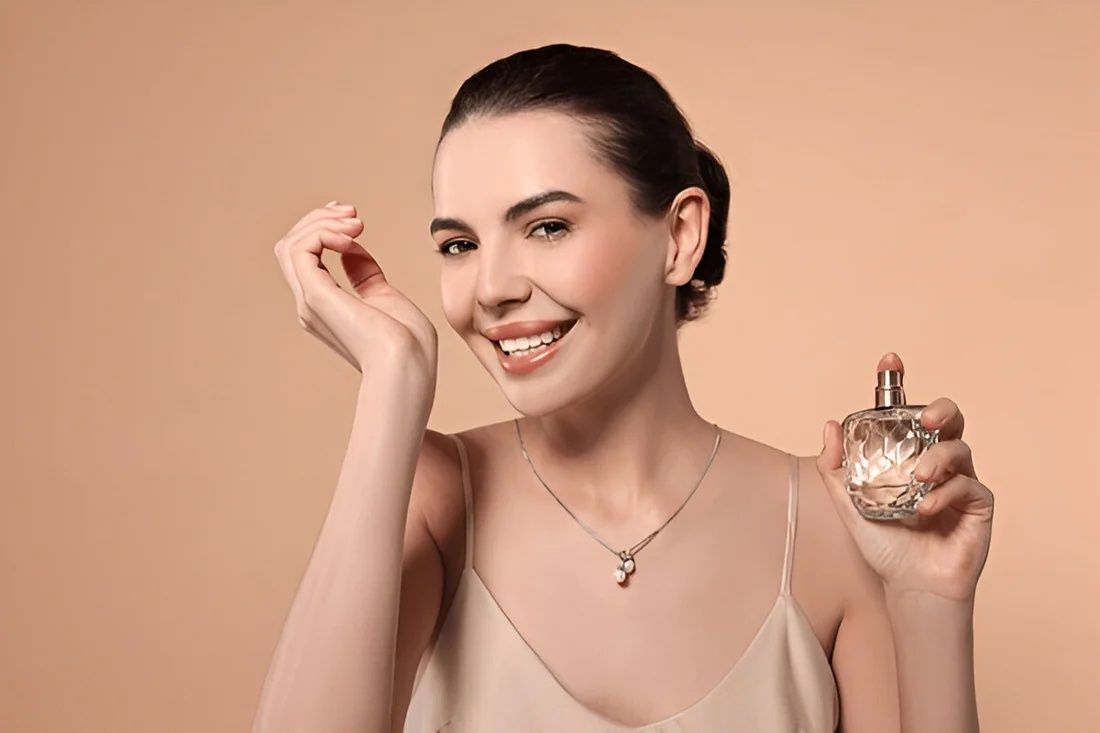
The significance of luxury perfumes extends beyond pleasant aroma. In the modern world, perfume is closely linked to identity, memory, emotional connection, and self-expression. Many individuals consider fragrance an essential part of their daily routine and a reflection of their personality.
Luxury perfumes influence several areas:
-
Personal Branding: A consistent fragrance can become a personal signature, creating memorable impressions
-
Emotional Well-being: Certain fragrance families, such as lavender or citrus, are linked with relaxation and mood enhancement
-
Cultural Expression: Different regions favor different scent preferences based on climate and tradition
-
Economic Impact: The global premium fragrance industry contributes significantly to the beauty and personal care market
-
Artistic Craftsmanship: Creating fine fragrance involves expert perfumers, rare ingredients, and years of research
Luxury perfume consumers range from fragrance enthusiasts, professionals in creative industries, and individuals interested in premium beauty products to collectors who view perfume as an investment in aesthetics and heritage.
In a world driven by sensory experiences, luxury perfumes provide a refined sensory identity without the need for visual or verbal expression. This is especially relevant in environments such as social gatherings, professional settings, and personal milestones.
Recent Updates and Trends in Luxury Perfumes
Over the past year, the luxury fragrance industry has seen notable shifts influenced by sustainability, science, and personalization.
Key developments include:
-
Rise of sustainable fragrances (2024)
Many premium brands have shifted towards responsibly sourced ingredients, biodegradable packaging, and eco-friendly production practices. -
Growth of niche fragrance houses (mid-2024)
Smaller perfumeries focusing on artistic, limited-batch formulations have gained recognition in global markets. -
AI-assisted fragrance design (late 2024)
Artificial intelligence tools are now helping perfumers predict scent combinations and personalize blends based on consumer data. -
Increased focus on skin chemistry personalization (early 2025)
Brands now emphasize how a fragrance adapts differently on each person’s skin, leading to more tailored fragrance recommendations. -
Trend towards long-lasting parfum concentration
Higher concentration types such as Parfum and Extrait de Parfum are rising in popularity for their longevity and intensity.
Popular fragrance families in 2024–2025 (summary table)
| Fragrance Family | Common Notes | Modern Use |
|---|---|---|
| Floral | Rose, jasmine, peony | Daily elegance |
| Woody | Sandalwood, cedar | Professional settings |
| Oriental | Amber, vanilla, spices | Evening wear |
| Fresh | Citrus, aquatic | Warm climates |
| Gourmand | Caramel, chocolate | Fashion-forward identity |
These shifts indicate that luxury perfumes are no longer just beauty items—they are evolving into technologically informed lifestyle products.
Rules, Regulations, and Safety Guidelines in the Fragrance Industry
Luxury perfumes are shaped and monitored by various international and national regulations designed to protect consumers, the environment, and intellectual property.
In many countries, including India, the European Union, and the United States, perfume production and distribution follow guidelines such as:
-
IFRA (International Fragrance Association) Standards
Regulates the safe use of fragrance materials in consumer products -
EU Cosmetics Regulation (EC) No 1223/2009
Controls ingredients, labeling, allergens, and concentration limits -
Bureau of Indian Standards (BIS) cosmetic guidelines
Ensures compliance with approved cosmetic and fragrance components -
Restricted Substances Lists
Certain chemical compounds are limited or prohibited for use in perfumes -
Allergen labeling requirements
Fragrances must list specific allergens if they exceed a defined concentration -
Environmental guidelines
Packaging must adhere to waste management and recycling policies
These rules encourage transparency in fragrance creation and help maintain high standards in the premium beauty products sector.
Helpful Tools and Resources for Understanding Luxury Perfumes
For those interested in learning more about luxury perfumes and selecting suitable fragrance profiles, several tools and resources can be beneficial.
Digital platforms and knowledge resources:
-
Fragrance wheel applications
-
Online perfume note databases
-
Scent profiling quizzes
-
Ingredient transparency guides
-
Fragrance family charts
-
Sustainability certification directories
-
Ingredient safety websites
-
Scent layering planners
-
Perfume longevity trackers
Simple structure of perfume note pyramid (table)
| Layer | Description | Common Examples |
|---|---|---|
| Top Notes | First impression, light and fresh | Lemon, bergamot |
| Middle Notes | Core character of the scent | Rose, lavender |
| Base Notes | Lasting foundation | Musk, amber |
These tools support better understanding of how perfumes evolve over time and how to recognize signature scent combinations.
Frequently Asked Questions (FAQs)
What makes a perfume “luxury”?
Luxury perfumes use high-quality ingredients, advanced formulation methods, complex scent layering, and sophisticated packaging standards.
How long does a premium fragrance last on the skin?
Longevity depends on concentration and skin chemistry, but parfum and extrait typically last between 6–12 hours.
Can luxury perfumes be worn daily?
Yes, many light or floral luxury fragrances are suitable for everyday settings, while deeper scents are preferred for evening use.
How should luxury perfumes be stored?
They should be kept in a cool, dry place away from sunlight to preserve scent integrity.
What is the difference between designer and niche fragrances?
Designer fragrances are created by fashion brands, while niche fragrances come from specialized perfumeries focused on artistry and limited production.
Conclusion
The world of luxury perfumes for women is a fusion of art, science, tradition, and modern innovation. These high-end fragrances reflect evolving cultural expectations, personal identity, and technological advancements. From sustainable ingredient sourcing to AI-assisted scent formulation, luxury perfumes are adapting to meet the expectations of informed and conscious individuals.
Understanding perfume notes, regulations, fragrance families, and global trends allows people to explore premium fragrance collections with greater awareness. By using educational tools and focusing on personal preferences, anyone can better appreciate the depth and craftsmanship behind a truly refined scent.
Luxury perfumes are not just about fragrance; they represent a legacy of craftsmanship, creativity, and personal expression in the ever-evolving world of premium beauty products.