Explore Food Cartoning Machine Technologies
Learn how cartoning machines for food products work, why they are important in modern food packaging, recent industry developments, regulations, helpful resources, and common questions in this easy-to-understand guide.
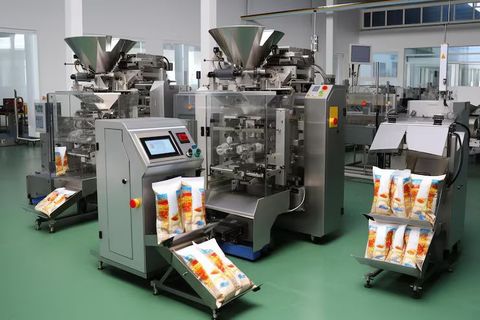
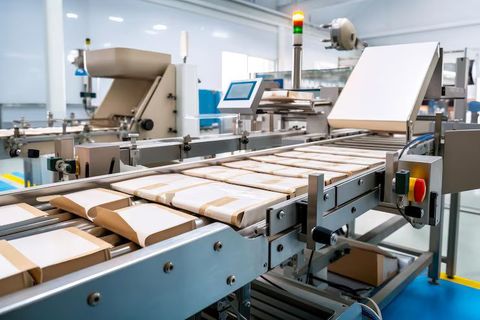
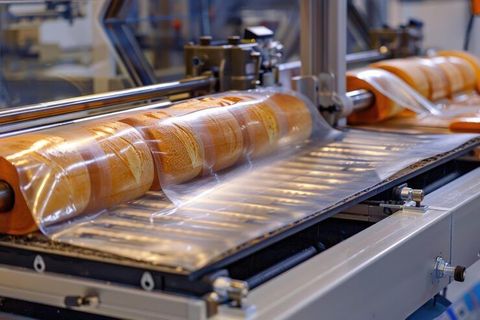
Cartoning machines for food products are automated packaging systems designed to place food items into cartons or paperboard boxes. These machines help organize packaged foods into uniform cartons while maintaining consistency throughout the packaging process. They are commonly used for snacks, cereals, frozen foods, dairy items, confectionery, bakery products, tea, coffee, and other packaged foods.
The growth of food manufacturing has increased the need for reliable packaging methods. Modern food packaging equipment improves packaging accuracy, protects products during transportation, and supports efficient production lines. As food safety standards continue to evolve, automated packaging technology has become an important part of food processing facilities.
Packaging Machine Types
| Machine Type | Common Application | Key Benefit |
|---|---|---|
| Horizontal Cartoning Machine | Biscuits, chocolate, bakery products | High-speed packaging |
| Vertical Cartoning Machine | Pouches and sachets | Space-efficient design |
| Wrap-Around Cartoner | Beverage packs | Strong carton support |
| Robotic Cartoning System | Mixed food products | Flexible product handling |
Importance
Why Cartoning Machines Matter Today
Food packaging is no longer focused only on appearance. It also supports product protection, hygiene, traceability, and efficient logistics. Automated cartoning systems help maintain consistent packaging quality while reducing manual handling.
These machines affect many industries, including:
- Food manufacturing
- Bakery production
- Dairy processing
- Frozen food packaging
- Ready-to-eat meal production
- Beverage packaging
Modern packaging automation also helps manufacturers meet increasing consumer expectations for safe, properly labeled, and well-protected food products.
Key Benefits
- Consistent carton quality
- Improved packaging efficiency
- Better product protection
- Reduced packaging errors
- Support for food safety compliance
- Easier integration with automated production lines
Recent Updates
Industry Trends During 2025–2026
The food packaging industry has experienced significant technological improvements over the past year.
| Recent Trend | Timeline | Industry Impact |
| Smart machine monitoring | 2025 | Better production visibility |
| AI-assisted inspection systems | 2025 | Improved quality verification |
| Sustainable carton materials | 2025–2026 | Lower packaging waste |
| Digital production tracking | 2026 | Better operational reporting |
| Energy-efficient automation | 2026 | Reduced energy consumption |
Many manufacturers are also adopting machine vision systems that inspect carton alignment, print quality, and label placement automatically. Another growing trend is predictive maintenance, where machine data helps identify maintenance needs before unexpected downtime occurs.
Environmental sustainability has become another major focus. More food producers are using recyclable paperboard cartons and reducing unnecessary packaging materials while maintaining product protection.
Laws or Policies
Regulations That Influence Food Cartoning Equipment
Food packaging equipment must operate within food safety and packaging regulations established by national authorities. Although requirements vary by country, several common principles apply worldwide.
Important regulatory areas include:
- Food contact material safety requirements
- Packaging hygiene standards
- Product labeling regulations
- Traceability requirements
- Manufacturing quality management systems
- Worker safety regulations for automated equipment
Many countries also encourage environmentally responsible packaging through recycling frameworks and waste reduction initiatives. Manufacturers must ensure packaging materials remain suitable for direct or indirect food contact while supporting accurate product information on cartons.
Tools and Resources
Helpful Resources for Learning About Cartoning Machines
Several educational resources can help individuals understand food packaging systems and packaging automation.
Useful resources include:
- Packaging line planning templates
- Packaging efficiency calculators
- Food production workflow diagrams
- Equipment maintenance checklists
- Packaging quality inspection guides
- Food safety learning materials
- Industrial automation training resources
- Production monitoring dashboards
Packaging Workflow Overview
Food Product
      │
Primary Packaging
      │
Product Inspection
      │
Cartoning Machine
      │
Carton Verification
      │
Case Packing
      │
Distribution
These resources help improve understanding of automated food packaging without requiring advanced technical knowledge.
FAQs
What is a cartoning machine used for?
A cartoning machine automatically places packaged food products into cartons, improving packaging consistency, product protection, and production efficiency.
Which food products commonly use cartoning machines?
Common examples include breakfast cereals, biscuits, chocolates, frozen foods, dairy products, tea, coffee, snacks, confectionery, and ready-to-eat foods.
Are cartoning machines part of automated packaging systems?
Yes. They are often integrated with conveyors, labeling systems, inspection equipment, coding systems, and palletizing solutions to create automated packaging lines.
Why are carton inspections important?
Carton inspections help verify correct product placement, proper sealing, accurate labeling, and overall packaging quality before products move through the supply chain.
Are sustainable packaging materials becoming more common?
Yes. Recyclable paperboard cartons and environmentally responsible packaging materials have become increasingly popular as sustainability initiatives continue across the food industry.
Conclusion
Cartoning machines for food products play an important role in modern food packaging by improving consistency, hygiene, efficiency, and product protection. As packaging technology continues to advance, automation, smart monitoring, machine vision, and sustainable materials are becoming standard features across many food production environments. Understanding how these systems operate helps businesses, students, and industry professionals appreciate the importance of reliable packaging in delivering safe food products to consumers.
Disclaimer
This article is intended for educational and informational purposes only. Packaging regulations, food safety requirements, and industry standards may vary between countries and industries. Readers should consult the relevant regulatory authorities and current technical guidance applicable to their location.

Related Post...