Explore Akoya Pearls: Origins, Unique Luster, and Timeless Beauty
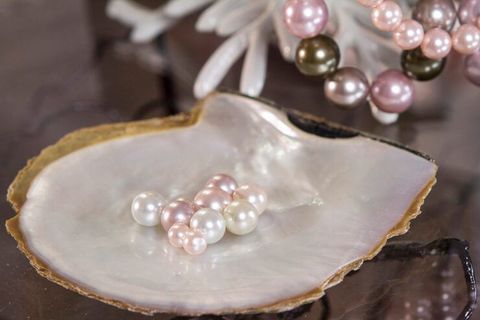
Akoya pearls are cultured pearls primarily associated with Japanese pearl cultivation. They are produced by Akoya oysters, scientifically known as Pinctada fucata martensii, which grow in marine environments. These pearls are widely recognized for their round shapes, reflective surfaces, and white or cream body colors, often accompanied by pink, silver, or green overtones.
Natural pearls form without deliberate human intervention, while cultured pearls develop after a pearl farmer introduces a nucleus or other material into a mollusk under controlled conditions. Akoya pearl cultivation combines biological processes, careful environmental management, and specialized harvesting techniques.
The development of modern Akoya pearl cultivation is closely associated with Japan, where researchers and pearl farmers refined techniques during the late nineteenth and early twentieth centuries. Today, Akoya pearls remain an important category in the global cultured pearl industry.
How Akoya Pearls Are Cultivated
Akoya pearl cultivation generally involves several stages, from oyster preparation to harvesting and quality assessment.
Oyster selection: Farmers select healthy oysters suitable for pearl cultivation.
Nucleus implantation: A trained technician introduces a small spherical nucleus, typically accompanied by mantle tissue from a donor oyster.
Cultivation period: Oysters are maintained in marine environments where they deposit layers of nacre around the nucleus.
Monitoring: Farmers assess oyster health, water conditions, and environmental risks throughout cultivation.
Harvesting: Pearls are carefully removed after an appropriate growing period.
Grading and sorting: Pearls are assessed according to shape, luster, surface condition, size, and color.
The time required varies according to cultivation practices, water temperature, oyster health, and the desired pearl characteristics. Many Akoya pearls are cultivated over approximately 10–18 months, although growing periods can differ.
Distinguishing Features of Akoya Pearls
Akoya pearls are commonly used in necklaces, earrings, bracelets, and other fine jewelry. Their appearance depends on several physical characteristics.
Luster: The intensity and sharpness of reflected light on the pearl's surface.
Surface quality: The presence or absence of spots, pits, wrinkles, and other natural blemishes.
Shape: The degree to which a pearl approaches a perfect sphere.
Size: Akoya pearls commonly range from approximately 2 mm to 10 mm, with many traditional jewelry strands featuring pearls around 6–8 mm.
Body color and overtone: Common appearances include white, cream, pinkish white, and silver-toned pearls.
These characteristics vary naturally. Not every Akoya pearl is perfectly round, and even pearls from the same harvest can differ in appearance.
Importance of Akoya Pearls in the Global Jewelry Industry
Akoya pearls occupy an important place in the fine jewelry market because of their characteristic luster, relatively uniform shapes, and suitability for classic designs. They are often associated with pearl necklaces, formal jewelry, bridal accessories, and traditional gifts.
Their importance extends beyond appearance. Akoya pearl cultivation supports coastal communities, marine aquaculture, specialized craftsmanship, and international jewelry supply chains.
Who Benefits from Understanding Akoya Pearls?
Knowledge about Akoya pearls is useful for several groups:
Jewelry enthusiasts: Helps them understand pearl characteristics and distinguish different pearl varieties.
Gemologists: Supports pearl identification, grading, and examination of treatments.
Jewelry designers: Provides information about color, size, matching, and suitable settings.
Pearl farmers: Highlights the importance of water quality, oyster health, and responsible cultivation.
Researchers: Offers insight into marine biology, aquaculture, and environmental sustainability.
Understanding pearl quality also helps explain why two pearls of similar size may differ considerably in appearance and overall market valuation.
Akoya Pearls Compared with Other Cultured Pearls
Akoya pearls differ from freshwater, Tahitian, and South Sea pearls in their producing mollusks, typical appearance, and cultivation environments.
Pearl variety | Main cultivation environment | Common characteristics |
|---|---|---|
Akoya | Saltwater | Round shapes, bright luster, white and cream tones |
Freshwater | Freshwater | Broad range of shapes and colors |
Tahitian | Saltwater | Gray, green, black, and peacock tones |
South Sea | Saltwater | Larger sizes, white, silver, and golden colors |
These are general distinctions rather than absolute rules. Each variety includes natural variations, and individual pearls may display characteristics outside the typical range.
Recent Developments and Trends in Akoya Pearls
During 2025 and 2026, pearl industry discussions increasingly focused on supply stability, environmental pressures, quality classification, and changing jewelry preferences.
Japanese Akoya Production and Supply Challenges
Japan remains a major source of Akoya pearls, but its cultivation industry has faced challenges involving oyster mortality, changing marine conditions, and a declining number of farming operations.
Industry reporting published in 2026 indicated that Japanese Akoya output remained substantially below its pre-2019 level. The 2019 oyster mortality crisis contributed to continuing production difficulties, while warming seas and other environmental pressures remained concerns for pearl farmers.
These conditions can affect harvest volumes and the availability of particular pearl sizes and quality grades. However, production and availability vary by farm, season, and growing region.
Changing Jewelry Preferences
Recent pearl industry reports have highlighted continued interest in high-quality Japanese Akoya pearls, carefully matched strands, and contemporary pearl jewelry.
Several trends are relevant:
Classic white pearls: Continue to feature prominently in traditional necklaces and formal jewelry.
Smaller pearls: Provide options for delicate earrings, layered necklaces, and understated designs.
Modern styling: Designers combine pearls with gold, silver, and other materials to create contemporary pieces.
Natural variation: Baroque shapes and unusual pearl colors contribute to broader design choices.
Another important trend is increased attention to pearl origin, treatment disclosure, and cultivation practices. These details help professionals describe pearls accurately and understand differences between individual specimens.
Laws, Standards, and Policies Affecting Akoya Pearls
Pearl cultivation and jewelry identification are influenced by environmental regulations, international trade requirements, consumer protection laws, and industry classification standards. Rules vary by country, so the applicable requirements depend on where pearls are cultivated, processed, transported, and presented to consumers.
Japan's Pearl Industry Framework
Japan has a long-established pearl cultivation industry supported by specialized knowledge, aquaculture practices, and industry organizations.
Japan's Pearl Promotion Law, enacted on June 7, 2016, established a framework for promoting the pearl industry and its associated culture. Industry standards and classification guidance also help establish consistent terminology for cultured pearls.
In 2025, the Japan Pearl Promotion Society developed the Pearl Standard 2025, intended to support a shared understanding of pearl characteristics, classification, and the preservation of pearl-related culture.
In 2026, the Japan Jewellery Association also published a revised edition of its pearl definitions and nomenclature. Such guidance helps professionals distinguish pearl types and describe their characteristics consistently.
International Disclosure and Trade Considerations
In the United States, Federal Trade Commission Jewelry Guides address accurate descriptions of natural pearls, cultured pearls, imitation pearls, and relevant treatments.
For example, descriptions should clearly distinguish cultured Akoya pearls from natural pearls and artificial imitations. Certain treatments, such as dyeing, bleaching, or irradiation, may require disclosure depending on their effects and the applicable rules.
The World Jewellery Confederation also publishes technical guidance through its Pearl Book, which covers terminology, classification, and treatment disclosures.
Importers and exporters may additionally need to consider customs documentation, origin information, and applicable wildlife or environmental regulations. Requirements depend on the shipment and the jurisdictions involved.
Tools and Resources for Pearl Identification and Care
Several practical resources can help people examine Akoya pearls, understand grading terminology, and maintain pearl jewelry.
Useful Assessment Tools
10× jeweler's loupe: Helps examine surface blemishes, irregularities, and visible features.
Digital caliper: Measures pearl diameter in millimeters.
Neutral lighting: Supports consistent examination of body color, overtone, and luster.
Pearl grading worksheet: Records size, shape, surface quality, color, and matching characteristics.
Gemological laboratory reports: Can help identify pearl type and assess treatments when professional examination is appropriate.
Visual inspection alone cannot always establish a pearl's origin or confirm whether it has been treated. Laboratory analysis may be necessary when identification is uncertain.
Pearl Care and Maintenance
Akoya pearls are relatively delicate compared with many traditional gemstones because their outer layers consist primarily of nacre.
Recommended care practices include:
Wipe pearls gently with a soft, clean cloth after wearing them.
Keep them away from perfumes, cosmetics, hairspray, and household chemicals.
Avoid prolonged exposure to excessive heat and strong sunlight.
Store pearls separately from harder gemstones and metal jewelry to reduce scratching.
Have pearl strands inspected periodically for worn knots or damaged clasps.
Avoid ultrasonic cleaners and harsh chemical cleaning methods unless a qualified professional confirms that a specific treatment is appropriate.
These precautions help preserve the pearl's surface and reduce avoidable damage over time.
Frequently Asked Questions
Are Akoya pearls natural or cultured?
Most Akoya pearls available in modern jewelry are cultured. They develop inside oysters after human intervention initiates pearl formation. Natural pearls form without deliberate human intervention and are a separate category.
What makes Japanese Akoya pearls distinctive?
Japanese Akoya pearls are widely known for their bright luster, round shapes, and white or cream body colors with pink or silver overtones. Their appearance varies according to oyster biology, growing conditions, cultivation practices, and post-harvest treatment.
How is Akoya pearl quality evaluated?
Quality assessment commonly considers luster, surface condition, shape, size, color, and consistency within a matching set. There is no single characteristic that determines the overall quality of every pearl, and grading terminology may vary among laboratories and industry organizations.
How long does it take to cultivate an Akoya pearl?
Many Akoya pearls require approximately 10–18 months of cultivation after implantation, although the period varies with environmental conditions, oyster health, and farming practices. Additional time may be needed for sorting, grading, and preparation for jewelry.
Can Akoya pearls be worn every day?
Akoya pearls can be worn regularly with appropriate care. Avoiding chemicals, rough surfaces, excessive heat, and prolonged moisture exposure helps preserve their appearance. Jewelry should also be stored carefully and inspected periodically for signs of wear.
Conclusion
Akoya pearls represent an important part of the cultured pearl industry, combining marine biology, specialized cultivation, and traditional jewelry craftsmanship. Their bright luster, characteristic round shapes, and varied color overtones make them recognizable among major pearl varieties.
Recent industry developments highlight the importance of environmental management, stable cultivation practices, accurate classification, and transparent descriptions. Understanding pearl quality, international standards, and proper care can help jewelry enthusiasts, researchers, and industry professionals make informed assessments.
As marine conditions and consumer preferences continue to evolve, responsible cultivation and reliable identification will remain important to the future of Akoya pearls and the wider pearl industry.

Related Post...
Explore Akoya Pearls: Origins, Unique Luster, and Timeless Beauty
Updated: October 26, 2026
Read More
Topaz Jewellery Tips for Choosing Elegant Styles for Different Occasions
Updated: October 26, 2026
Read More
Discover How Prong Settings Shape Jewellery Design and Enhance Gemstone Appearance
Updated: October 26, 2026
Read More