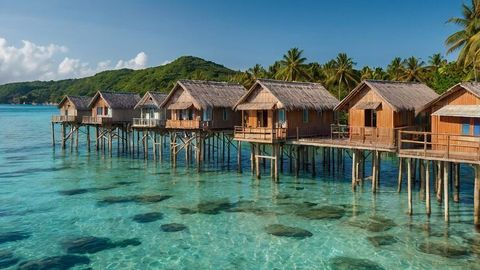
Exclusive Villa Stays: An Overview of Luxury Accommodation Trends
Exclusive villa stays refer to private accommodation designed to provide a combination of comfort, personal space, privacy, and distinctive travel experiences. Unlike conventional hotel accommodation, private villas generally provide guests with an entire residential property, which may include multiple bedrooms, private swimming pools, gardens, outdoor dining areas, and dedicated relaxation spaces.
The concept has developed alongside changes in international tourism and luxury hospitality. Travellers increasingly consider accommodation an important part of their overall holiday experience rather than simply a place to sleep. This has contributed to the growth of luxury villa rentals, private holiday homes, beachfront villas, and premium vacation accommodation across international destinations.
Different Types of Exclusive Villas
Exclusive villa accommodation comes in several architectural styles and property categories.
Beachfront Villas: Properties located near coastlines, often featuring ocean views, private terraces, and direct beach access.
Overwater Villas: Accommodation constructed above lagoons or coastal waters, commonly associated with tropical destinations.
Countryside Villas: Private residences surrounded by vineyards, forests, mountains, or agricultural landscapes.
Contemporary Luxury Villas: Modern properties featuring advanced technology, minimalist architecture, and open-plan interiors.
Heritage Villas: Historic residences that preserve traditional architectural features while incorporating modern facilities.
Family Estate Villas: Larger properties designed for extended families and groups travelling together.
The architectural design, geographical location, available facilities, and surrounding environment influence the overall character of each property.
Why Exclusive Villa Accommodation Matters Today
The importance of exclusive villa accommodation extends beyond luxury tourism. It reflects changing expectations regarding privacy, flexibility, family travel, and personalized holiday experiences.
Privacy and Personal Space
One important characteristic of private villa accommodation is the ability to enjoy shared residential spaces without the same level of interaction commonly experienced in large hotels.
Private gardens, swimming pools, separate living areas, and outdoor dining spaces allow guests to organize their daily activities more independently.
This arrangement can be particularly relevant for couples, families, public figures, and travellers who prefer quieter surroundings.
Accommodation for Families and Groups
Luxury family villas can accommodate different generations under one roof. Separate bedrooms, communal living rooms, kitchens, and outdoor recreational areas make it easier for relatives and friends to spend time together.
Some properties also include accessible bedrooms, children's recreational areas, and facilities suitable for older travellers.
Flexible Travel Experiences
Private villa accommodation provides greater flexibility in daily routines. Guests can organize meals, relaxation periods, recreational activities, and local excursions according to their preferences.
This flexibility is especially relevant for extended holidays, anniversary celebrations, family reunions, and destination-based gatherings.
Wellness and Relaxation
Wellness-focused villa accommodation has become an important part of premium travel planning.
Common features include:
Private swimming pools and landscaped gardens.
Fitness rooms and yoga spaces.
Outdoor relaxation areas.
Spa-inspired bathrooms.
Natural lighting and open-air architecture.
Quiet surroundings with scenic views.
These facilities allow travellers to incorporate relaxation and physical activities into their accommodation experience.
Recent Developments and Luxury Villa Travel Trends
The international villa accommodation market continues to evolve through changing travel preferences, digital technology, and developments in hospitality.
Growing Interest in Private and Customized Travel
The 2026 Annual Travel Trends Report from WeTravel identifies increasing interest in customized and luxury travel. Its reported data indicate that bookings among custom and luxury travel operators increased from 7,172 in 2024 to 13,011 in 2025.
This development reflects growing interest in privately planned holidays and accommodation experiences designed around individual preferences. However, these figures represent the report's participating operators rather than the entire global villa market.
Longer Stays and Shoulder-Season Travel
Travel planning is gradually expanding beyond traditional peak holiday periods. Some travellers are choosing June, September, and October to experience destinations with different weather conditions and fewer seasonal crowds.
A 2026 villa holiday trend report published by CV Villas in 2026 reported increased booking activity for these months within its own portfolio.
This trend highlights the importance of flexible travel dates and accommodation planning.
Greater Attention to Privacy
Privacy has become an important consideration in luxury accommodation. Travellers increasingly examine property layouts, surrounding buildings, private entrances, security arrangements, and outdoor visibility.
Some high-end properties are also incorporating separate guest accommodation, private access routes, and discreet architectural designs.
Technology-Enabled Villa Experiences
Digital technology is influencing how luxury villas operate and how guests interact with their accommodation.
Examples include:
Smart lighting and temperature controls.
Digital property information systems.
Automated security monitoring.
High-speed internet connectivity.
Smart entertainment systems.
Digital access management.
These developments contribute to more convenient property management and a more connected accommodation experience.
Sustainability and Environmental Awareness
Environmental considerations are increasingly relevant to premium villa development.
Some properties are incorporating solar energy, rainwater collection, energy-efficient lighting, sustainable construction materials, and waste-management systems.
Travellers are also paying greater attention to the environmental impact of accommodation, particularly in coastal and environmentally sensitive destinations.
Laws, Regulations, and Policies Affecting Villa Stays
Exclusive villa accommodation is influenced by national tourism legislation, property regulations, building requirements, taxation rules, and local accommodation policies.
Requirements differ considerably between countries and even between municipalities within the same country.
Short-Term Accommodation Registration
Some destinations require private property owners to register accommodation before accepting short-term guests.
Registration requirements may include:
Property identification and ownership documentation.
Local accommodation registration numbers.
Tourism-related permits.
Guest information records.
Compliance with local zoning requirements.
Travellers should check whether a villa has the necessary authorization for its intended accommodation category.
European Union Short-Term Rental Regulations
An important regulatory development occurred on 20 May 2026, when Regulation (EU) 2024/1028 became applicable across the European Union.
The regulation establishes a common framework for collecting and sharing information about short-term accommodation rentals through online platforms.
Its main provisions include:
Registration procedures where required by individual Member States.
Registration number requirements in applicable areas.
Verification of registration information by digital platforms.
Sharing accommodation activity data with relevant authorities.
Greater transparency in the short-term rental market.
Importantly, this regulation does not independently require every EU country or municipality to introduce a registration system. Existing national and local accommodation rules continue to apply.
Building and Safety Requirements
Villa properties must comply with relevant local building and occupancy regulations.
Depending on the destination, these requirements may cover:
Fire alarms and emergency exits.
Electrical installations.
Swimming pool safety.
Structural standards.
Maximum occupancy limits.
Emergency information and evacuation procedures.
Properties in coastal or mountainous locations may also be subject to environmental and land-use restrictions.
Taxes and Guest Regulations
Short-term accommodation may be subject to local tourism taxes, property-related taxes, or applicable income taxation.
Certain destinations also require guest identification records and reporting to local authorities.
International travellers should review the applicable accommodation rules before confirming a reservation.
Helpful Tools and Resources for Planning Villa Stays
Digital platforms, travel applications, and planning tools can help travellers compare exclusive villa stays and understand property information.
Accommodation Research Platforms
Several established platforms provide searchable accommodation listings and property information.
Airbnb: Provides information about private holiday homes, villas, property facilities, and guest feedback.
Vrbo: Focuses on vacation homes, including larger residential properties suitable for families and groups.
Booking.com: Includes private villas, holiday homes, resorts, and other accommodation categories.
Google Travel: Helps travellers research destinations, accommodation locations, and travel information.
Travel Planning Applications
Useful digital tools include:
Google Maps: Helps evaluate property locations, nearby attractions, road connections, and surrounding facilities.
Google Translate: Supports communication across different languages.
Google Weather: Provides weather information for destination planning.
TripIt: Helps organize travel itineraries and reservation information.
Villa Evaluation Checklist
Before confirming a private villa reservation, travellers should review the following details.
| Evaluation Area | Important Information |
|---|---|
| Location | Distance from beaches, airports, and attractions |
| Privacy | Property boundaries and surrounding buildings |
| Bedrooms | Number of rooms and sleeping arrangements |
| Facilities | Pool, garden, kitchen, and recreation areas |
| Connectivity | Internet availability and mobile coverage |
| Safety | Emergency exits and security arrangements |
| Regulations | Registration and local accommodation compliance |
| Reviews | Recent guest experiences and property condition |
A structured checklist can help travellers compare properties using consistent criteria rather than relying entirely on photographs or promotional descriptions.
Frequently Asked Questions About Exclusive Villa Stays
What makes an exclusive villa different from a hotel?
An exclusive villa generally provides an entire private residential property with individual living spaces, bedrooms, and facilities. Hotels typically operate through separate guest rooms and shared facilities. The exact differences depend on the property's design and management arrangements.
Which destinations are known for luxury private villas?
Popular international destinations include the Maldives, Bali, Phuket, Tuscany, the French Riviera, Santorini, the Caribbean, and Costa Rica. Each destination has different architectural styles, natural surroundings, and accommodation characteristics.
Are exclusive villas suitable for family holidays?
Yes. Many private villas have multiple bedrooms, shared living spaces, kitchens, swimming pools, and outdoor recreational areas. Larger properties can accommodate extended families, although occupancy limits and child-safety arrangements should be checked.
What facilities are commonly available in luxury villa accommodation?
Common facilities include private swimming pools, landscaped gardens, outdoor dining spaces, modern kitchens, entertainment systems, fitness areas, and high-speed internet. Some properties also have dedicated staff, wellness facilities, and private transportation arrangements.
What should travellers check before reserving a private villa?
Travellers should examine property photographs, recent guest reviews, location details, cancellation conditions, occupancy limits, safety arrangements, and applicable registration requirements. It is also important to confirm which facilities are included and whether any additional charges or local taxes apply.
Conclusion
Exclusive villa stays represent an evolving part of international luxury tourism. They combine private residential accommodation, flexible travel arrangements, architectural diversity, and facilities designed around different traveller preferences.
Developments in customized travel, wellness-focused accommodation, smart technology, and environmental awareness are influencing how private villas are designed and evaluated.
At the same time, registration requirements, building regulations, taxation policies, and local tourism legislation remain important considerations for property owners and travellers.
Understanding these factors helps travellers make informed decisions when researching luxury vacation villas, private holiday homes, beachfront accommodation, and premium villa retreats. As international travel continues to develop, privacy, responsible tourism, and thoughtful property design are likely to remain important elements of the exclusive villa accommodation landscape.

Related Post...

Insights Into Pet-Friendly Travel Ideas for Exploring Destinations With Animals
Updated: October 28, 2026
Read More
Desert Off-Roading Safaris Tips for Safety, Navigation, and Desert Conditions
Updated: October 29, 2026
Read More
A Complete Guide to Last-Minute Beach Homestays, Resorts, Hotels and Apartments
Updated: October 30, 2026
Read More