Desert Luxury Camping Adventures: Key Insights and Experiences
Desert landscapes have long attracted travelers interested in nature, exploration, and unique outdoor experiences. In recent years, desert tourism has developed beyond traditional camping, combining natural surroundings with comfortable accommodation, cultural activities, and modern facilities. This approach is commonly known as desert luxury camping or upscale desert camping.
From the Arabian Desert to the Sahara and the deserts of Australia, these experiences provide opportunities to explore remote environments while maintaining a level of comfort. Understanding accommodation styles, environmental responsibilities, travel conditions, and regional regulations helps travelers make informed decisions.
Understanding Desert Luxury Camping
Desert luxury camping combines outdoor accommodation with facilities that provide greater comfort than conventional camping. Depending on the destination, accommodation may include furnished tents, insulated cabins, private sleeping areas, attached bathrooms, dining spaces, and controlled temperature systems.
Some locations are designed around traditional desert architecture, while others incorporate contemporary structures and renewable energy systems. The objective is to create an experience that allows visitors to appreciate desert environments without relying entirely on basic camping equipment.
Common accommodation features include:
Spacious tents with comfortable sleeping arrangements.
Private bathrooms and washing facilities.
Shaded outdoor seating areas.
Dining spaces featuring regional cuisine.
Solar-powered lighting and selected electrical facilities.
Guided nature walks and cultural activities.
Desert environments differ significantly in temperature, terrain, wildlife, and accessibility. Therefore, accommodation facilities and activities vary according to geographical conditions.
Different Types of Desert Camping Experiences
Desert luxury camping is not a single accommodation category. It includes several formats designed around different landscapes and travel preferences.
Camping type | Main characteristics | Common locations |
|---|---|---|
Luxury desert tents | Furnished tents and private facilities | UAE, Morocco |
Eco-desert camps | Environmentally conscious infrastructure | Jordan, Oman |
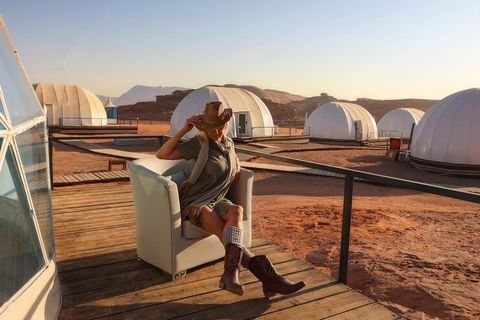
Glamping domes | Insulated structures with panoramic views | Saudi Arabia |
Traditional desert camps | Regional architecture and cultural activities | Morocco, Egypt |
Remote wilderness camps | Limited infrastructure and nature-focused activities | Australia |
These formats provide different levels of comfort and environmental interaction. Travelers should understand the facilities available before selecting an accommodation type.
Why Desert Luxury Camping Matters Today
Desert luxury camping has become an important part of experiential tourism because it connects travelers with natural landscapes while addressing some of the difficulties associated with conventional outdoor accommodation.
Desert destinations can be challenging because of extreme temperatures, limited water availability, remote locations, and changing weather conditions. Modern camping facilities help manage these challenges through improved infrastructure and organized activities.
Its growing importance can be understood through several factors:
Experiential travel: Travelers increasingly explore destinations through activities that connect them with local landscapes and cultures.
Nature tourism: Desert environments provide opportunities to observe wildlife, geological formations, and distinctive ecosystems.
Cultural understanding: Visitors can learn about traditional desert lifestyles, local food, architecture, and regional history.
Comfortable exploration: Insulated accommodation, temperature management, and suitable sanitation facilities make outdoor experiences more accessible.
Astronomy tourism: Remote desert locations can provide excellent opportunities for observing stars and astronomical events when skies are clear.
Environmental awareness: Responsible camping introduces visitors to water conservation, desert biodiversity, and habitat protection.
Who Benefits from Desert Camping Experiences?
Different groups participate in desert tourism for different reasons.
Visitor group | Main interests |
|---|---|
International travelers | Discovering unfamiliar desert landscapes |
Couples | Quiet surroundings and scenic accommodation |
Families | Educational outdoor activities |
Photography enthusiasts | Landscapes, wildlife, and night skies |
Adventure travelers | Dune exploration and guided activities |
Nature enthusiasts | Biodiversity and environmental education |
These experiences can also support local communities through regional employment, cultural interpretation, food production, and the development of responsible tourism infrastructure.
Recent Developments and Travel Trends
Desert luxury camping is evolving through changes in accommodation design, environmental technology, and visitor expectations. Developments during 2025 and 2026 illustrate how destinations are integrating tourism with landscape protection.
1. Expansion of sustainable desert accommodation
Sustainability has become an important consideration in modern glamping design. Solar electricity, water-efficient systems, low-impact construction, and waste management are increasingly discussed within the outdoor hospitality industry.
Saudi Arabia's Desert Rock development demonstrates this architectural approach. The project combines accommodation with natural rock formations and incorporates solar energy, water management, and environmental preservation into its design. It opened in December 2024, making it an established example of recent sustainable desert tourism development.
2. Growth of experience-focused camping
In 2026, glamping developments increasingly emphasize experiences beyond accommodation. Activities such as guided nature exploration, stargazing, regional food experiences, and wellness activities are becoming prominent themes in the industry.
The 2026 State of Glamping Report examined traveler preferences across the United States, United Kingdom, and Australia, highlighting changing expectations around outdoor accommodation and guest experiences.
3. New environmental recreation developments
On February 10, 2026, Dubai announced the Al Layan Oasis development, covering approximately one million square metres. The project focuses on environmental recreation, water features, and sustainable management of natural surroundings.
Although it is not exclusively a desert camping development, it reflects the broader direction of combining outdoor recreation with environmental planning in desert regions.
4. Improved camping permit arrangements
On October 17, 2025, Saudi Arabia's National Center for Vegetation Cover Development and Combating Desertification announced expanded camping locations and an electronic permit process through its Nabati platform for the 2025 camping season.
The development demonstrates how desert recreation is being organized through designated locations and environmental controls.
Important Technology Trends
Modern desert accommodation increasingly uses technology to improve visitor comfort and manage limited natural resources.
Technology | Practical application |
|---|---|
Solar panels | Electricity generation |
Smart temperature controls | Managing indoor temperatures |
Water-efficient fixtures | Reducing water consumption |
Satellite communication | Connectivity in remote locations |
GPS navigation | Location tracking and route planning |
Weather monitoring | Identifying environmental risks |
Digital booking systems | Managing accommodation reservations |
Technology is particularly important in remote environments where conventional electricity, water infrastructure, and mobile connectivity may be limited.
Laws, Regulations, and Environmental Policies
Desert camping is influenced by tourism regulations, land-use policies, environmental protection laws, and public safety requirements. Rules differ between countries and sometimes between municipalities within the same country.
Travelers should distinguish between licensed commercial desert camps and independent camping. Commercial establishments may have separate operating requirements from individuals setting up temporary camps.
Saudi Arabia
Saudi Arabia regulates camping through the National Center for Vegetation Cover Development and Combating Desertification (NCVC). Camping in designated areas requires the appropriate permit and compliance with environmental conditions.
The published requirements include:
Camping only within designated locations.
Following approved campsite boundaries.
Maintaining appropriate safety equipment.
Protecting vegetation and natural surroundings.
Observing restrictions on campsite size and duration.
The NCVC also provides information about permit applications and camping requirements.
United Arab Emirates
Dubai regulates tourist camping establishments through Executive Council Resolution No. 24 of 2020. Commercial tourist camps must obtain the necessary authorization and operate in approved locations.
The regulations also establish requirements concerning campsite classification, accommodation standards, inspections, and operational compliance.
Oman
Oman has specific camping requirements in Muscat Governorate. Camping for more than 48 hours requires prior municipal permission under the published rules.
Other requirements address campsite distances, sanitation, vegetation protection, and restrictions on modifying natural surroundings. Certain protected areas also have additional restrictions on overnight stays and camping.
Environmental responsibilities
Regardless of destination, responsible desert camping should follow these general principles:
Avoid disturbing wildlife and natural habitats.
Do not leave plastic, food waste, or other rubbish behind.
Respect protected areas and restricted land.
Follow local restrictions on campfires and outdoor cooking.
Avoid damaging desert plants and geological formations.
Follow official weather and emergency instructions.
These practices help protect fragile desert ecosystems while supporting responsible tourism.
Tools and Resources for Planning Desert Adventures
Planning a desert camping experience requires information about geography, weather, transportation, accommodation, and environmental conditions. Several digital tools and resources can help travelers prepare.
Tool or resource | Main purpose |
|---|---|
Google Maps | Route planning and geographical navigation |
Google Earth | Exploring desert terrain and landscapes |
Windy | Monitoring wind and weather conditions |
AccuWeather | Checking temperature and forecasts |
AllTrails | Discovering outdoor routes where available |
Gaia GPS | Navigation and offline mapping |
Stellarium | Identifying stars and astronomical objects |
National tourism authorities | Understanding regional travel regulations |
Local environmental authorities | Checking protected areas and camping restrictions |
Essential planning considerations
Before traveling, visitors should consider:
Seasonal temperature differences between daytime and nighttime.
Drinking water requirements and availability.
Appropriate clothing for sun exposure and cooler evenings.
Emergency communication and navigation equipment.
Local wildlife and environmental precautions.
Transportation arrangements for remote locations.
Accommodation facilities, sanitation, and accessibility.
Checking these details beforehand helps reduce uncertainty and improves preparation for remote outdoor environments.
Frequently Asked Questions
1. What is desert luxury camping?
Desert luxury camping is an outdoor accommodation experience that combines natural desert surroundings with enhanced facilities. It may include furnished tents, private bathrooms, comfortable sleeping arrangements, dining areas, and guided outdoor activities.
2. Which destinations are known for desert luxury camping?
Popular destinations include Dubai and Abu Dhabi in the UAE, AlUla in Saudi Arabia, the Sahara Desert in Morocco, Wadi Rum in Jordan, and selected desert regions in Oman and Australia. Each destination has different landscapes, accommodation styles, and cultural experiences.
3. What is the best season for desert camping?
The cooler months are generally more comfortable for outdoor desert activities in many Middle Eastern and North African destinations. However, seasonal conditions vary by region, altitude, and climate. Travelers should check local temperature forecasts before planning their visit.
4. Is desert luxury camping suitable for families?
Many established desert camps accommodate families, although facilities and activities vary. Families should check sleeping arrangements, bathroom facilities, transportation, medical support, and age restrictions before selecting a location.
5. How can travelers practice sustainable desert camping?
Travelers can minimize environmental impact by conserving water, reducing plastic waste, respecting wildlife, using designated camping areas, and following local fire regulations. Choosing accommodation with responsible energy and waste management practices can also support environmental protection.
Conclusion
Desert luxury camping adventures represent an evolving form of outdoor tourism that combines natural exploration with comfortable accommodation. From traditional desert tents to contemporary eco-lodges, these experiences provide different ways to understand desert landscapes, regional cultures, and outdoor environments.
Developments in sustainable architecture, renewable energy, digital navigation, and organized tourism are influencing how desert destinations operate. At the same time, environmental regulations and responsible travel practices remain essential for protecting fragile ecosystems.
Understanding accommodation options, seasonal conditions, local regulations, and available planning tools allows travelers to prepare more effectively. With appropriate planning and respect for the natural environment, desert luxury camping can provide an educational and memorable way to experience some of the world's most distinctive landscapes.

Related Post...
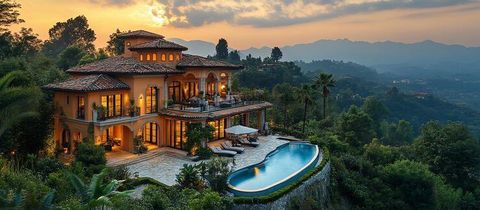
Exclusive Villa Stays: An Overview of Luxury Accommodation Trends
Updated: November 02, 2026
Read More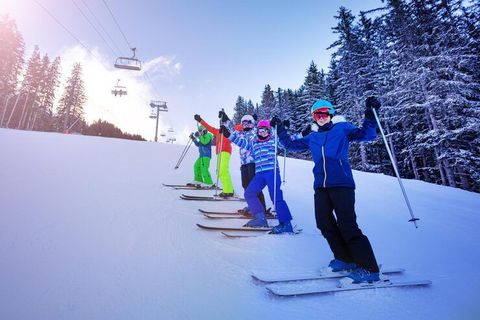
Explore the World's Best Winter Ski Destinations for Every Traveler
Updated: October 31, 2026
Read More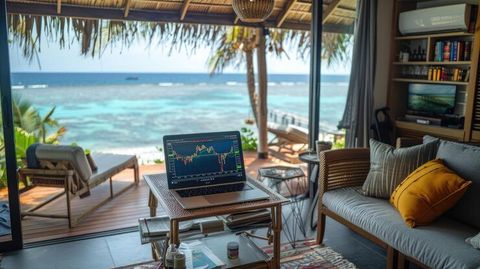
Beach Homestay Booking Guide: Essential Details for Choosing Your Ideal Stay
Updated: October 30, 2026
Read More