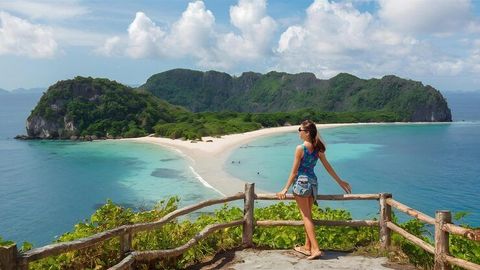
Beaches of the Maldives Guide: Discover Their Natural Beauty and Unique Features
The Maldives is an island nation in the Indian Ocean, southwest of Sri Lanka and India. It consists of approximately 1,190 islands grouped into 26 natural atolls. These islands are surrounded by turquoise lagoons, coral reefs, shallow waters and extensive sandy coastlines. The country's beaches are among its most recognised natural features, attracting visitors interested in tropical landscapes, marine biodiversity and coastal recreation.
Maldives beaches are formed through natural processes involving coral fragments, marine organisms, waves and ocean currents. Over time, these materials accumulate along island coastlines, creating the soft white sand commonly associated with the destination. The surrounding coral reefs also act as natural barriers, helping reduce wave energy and protecting many islands from strong ocean conditions.
Different islands have different coastal characteristics. Some feature long stretches of open sand, while others have smaller beaches surrounded by palm trees, shallow lagoons and coral formations.
Popular destinations include:
Baa Atoll: Recognised for its marine biodiversity, coral reefs and clear lagoons.
Ari Atoll: Known for tropical beaches, diving locations and marine wildlife.
North Malé Atoll: Features accessible island destinations and established coastal tourism.
Vaavu Atoll: Contains relatively quiet island environments and marine ecosystems.
Addu Atoll: Offers distinctive island landscapes and coastal environments in the southern Maldives.
The combination of natural beaches, coral ecosystems and tropical weather makes the Maldives an important destination for understanding island geography and coastal tourism.
Why Maldives Beaches Matter Today
The beaches of the Maldives have considerable environmental, economic and cultural importance. Tourism is a major contributor to the national economy, and coastal landscapes play an important role in attracting international visitors.
According to the World Bank's June 2026 Maldives Development Update, the country recorded approximately 2.25 million tourist arrivals in 2025, representing a 9.8% increase compared with 2024. This growth demonstrates the continuing importance of the country's tourism industry.
However, the importance of Maldivian beaches extends beyond tourism.
Environmental Importance
Beaches and nearby coral reefs support interconnected marine ecosystems. Coral reefs provide habitats for numerous fish species, sea turtles and other marine organisms.
Healthy coastal environments also contribute to:
Protecting island shorelines from wave energy.
Supporting marine biodiversity.
Maintaining natural lagoon ecosystems.
Providing habitats for coastal wildlife.
Supporting the natural movement of sand around islands.
Economic Importance
Coastal tourism supports several parts of the Maldivian economy. Hotels, guesthouses, restaurants, transportation operators and recreational businesses depend on healthy island environments.
Popular tourism activities include:
Snorkelling around coral reefs.
Scuba diving and underwater exploration.
Kayaking and paddleboarding.
Dolphin watching and marine excursions.
Beach photography and island exploration.
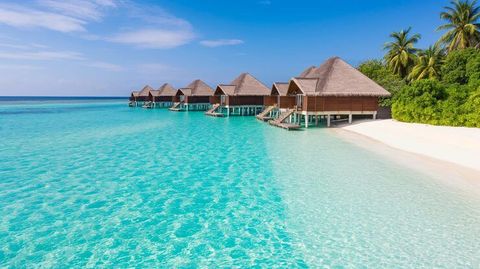
Luxury island accommodation and overwater villa experiences.
Climate Change Awareness
The Maldives is particularly vulnerable to rising sea levels because its islands have very low elevations. Coastal erosion, changing wave patterns, coral bleaching and extreme weather can affect beaches and surrounding ecosystems.
These challenges make coastal conservation increasingly important for local communities, tourism operators and environmental organisations.
Recent Developments and Trends in Maldives Beach Tourism
During 2025 and 2026, the Maldives continued developing its tourism industry while increasing attention to environmental protection, coastal management and island infrastructure.
Several developments are particularly relevant to the future of Maldivian beaches.
1. Tourism Growth During 2025
On January 1, 2026, Visit Maldives Corporation reported that the country achieved its strongest tourism performance to date during 2025.
Tourism receipts were projected to exceed USD 5.4 billion, while arrivals reached approximately 2.25 million. These developments highlight the importance of coastal destinations, luxury island accommodation and marine recreation to the national economy.
2. Coastal Protection Initiatives in 2026
The 2026 presidential address highlighted coastal erosion as a significant environmental challenge.
The government reported that six coastal protection projects had been completed during the previous year, while 62 additional initiatives were progressing through different stages. Further projects were planned across 15 islands.
These initiatives reflect growing attention to shoreline stability, climate adaptation and long-term island protection.
3. Waste Management Improvements
On August 23, 2026, the President ratified the First Amendment to the Waste Management Act.
The amendment established additional responsibilities for environmental and utility regulatory authorities. It also strengthened provisions concerning waste management systems, environmental protection and penalties for certain violations.
These developments are relevant to beaches because unmanaged waste can affect coastal cleanliness, marine habitats and public health.
4. Continued Development of Tourism Regulations
On December 6, 2025, the government ratified the Sixteenth Amendment to the Maldives Tourism Act.
The amendment introduced provisions concerning tourism development, including Tourism Training Resorts, resort construction periods and lagoon boundaries associated with tourism islands.
Such regulatory changes influence how tourism infrastructure and island development are managed.
5. Growing Interest in Sustainable Island Tourism
Environmental awareness is becoming increasingly important in international beach tourism.
Visitors are showing interest in destinations that combine natural scenery with responsible marine activities, coral reef conservation and improved waste management.
For the Maldives, maintaining healthy beaches and underwater ecosystems is essential to protecting its natural identity.
Laws, Regulations and Environmental Policies Affecting Maldives Beaches
Beach activities and coastal development in the Maldives are influenced by national laws, environmental regulations and local cultural practices.
Understanding these rules helps visitors respect the country's environment and communities.
Tourism Act and Island Development
The Maldives Tourism Act, Law No. 2/99, provides the legal framework for tourism development.
Its amendments regulate matters such as island allocation, resort development, tourism establishments and operational requirements.
The Fifteenth Amendment, ratified on March 19, 2025, introduced changes concerning tourism development on inhabited islands, uninhabited islands and lagoons.
The Sixteenth Amendment, ratified on December 6, 2025, introduced additional provisions for tourism-related development and management.
Environmental Protection Regulations
The Ministry of Tourism and Environment publishes regulations concerning environmental protection and conservation within the tourism industry.
These regulations are relevant to tourism establishments operating near beaches, lagoons and marine ecosystems.
Important environmental considerations include:
Protecting coral reefs and marine habitats.
Managing wastewater and solid waste.
Following approved environmental management requirements.
Reducing pollution around island coastlines.
Considering environmental impacts during tourism development.
Beach Clothing and Local Customs
The Maldives is a Muslim-majority country with conservative cultural traditions.
Dress expectations vary depending on the island and beach.
Resort islands generally permit conventional swimwear in designated beach areas.
Inhabited local islands have more conservative public clothing expectations.
Some local islands provide designated tourist bikini beaches.
Modest clothing is appropriate on public beaches outside designated tourist swimming areas.
Topless sunbathing and nudism are prohibited.
Visitors should follow local signs and guidance from their accommodation providers.
Coral and Marine Wildlife Protection
Coral reefs are important natural resources and require careful protection.
Visitors should avoid touching or damaging coral formations, collecting protected marine materials or disturbing marine animals.
The export of coral and certain marine wildlife products is restricted under Maldivian laws. Responsible snorkelling and diving practices help preserve these ecosystems.
Helpful Tools and Resources for Exploring Maldives Beaches
Planning a beach-focused visit involves understanding island geography, marine conditions, weather patterns and environmental guidelines.
Several digital resources can help visitors and researchers gather relevant information.
Tool or Resource | Main Purpose |
|---|---|
Visit Maldives | Destination information and island tourism insights |
Maldives Meteorological Service | Weather forecasts and marine conditions |
Maldives Ministry of Tourism | Tourism regulations and industry information |
Maldives Environmental Regulatory Authority | Environmental protection information |
Google Maps | Island locations and geographical exploration |
Google Earth | Satellite views of atolls and coastlines |
Windy | Wind patterns and weather visualisation |
Reef Check | Coral reef monitoring and conservation information |
NOAA Coral Reef Watch | Coral bleaching monitoring and ocean temperature information |
Weather and Marine Condition Tools
Weather information is particularly important when planning beach activities. Wind speed, rainfall, ocean currents and wave conditions can influence swimming, snorkelling and boat transportation.
Visitors should check local forecasts before participating in marine activities.
Island and Atoll Mapping
Digital mapping platforms help identify island locations, lagoon boundaries, nearby reefs and transportation routes.
Satellite imagery can also help researchers understand shoreline changes and coastal development patterns.
Marine Conservation Resources
Coral reef monitoring organisations provide information about reef health, bleaching events and marine biodiversity.
These resources are useful for understanding the environmental pressures affecting tropical island destinations.
Frequently Asked Questions About Maldives Beaches
1. What makes the beaches of the Maldives different from other tropical destinations?
The Maldives features numerous small coral islands surrounded by shallow lagoons and extensive reef systems. Many beaches have fine white sand, clear turquoise water and distinctive tropical landscapes. The combination of isolated islands and marine biodiversity gives the destination its characteristic coastal environment.
2. Which Maldives atolls are known for beautiful beaches?
Baa Atoll, Ari Atoll, North Malé Atoll, Vaavu Atoll and Addu Atoll are recognised for their island scenery and marine environments. Each has different geographical characteristics, beach landscapes and opportunities for underwater exploration.
3. When is the most suitable period for visiting Maldives beaches?
November to April is generally associated with the drier northeast monsoon period, bringing comparatively lower rainfall and favourable conditions for many beach activities. May to October is generally wetter, with stronger winds and changing sea conditions. Weather can vary between islands and throughout the year.
4. Are swimwear and beach clothing rules the same across all Maldives islands?
No. Resort islands generally have more relaxed swimwear expectations in designated beach areas. On inhabited local islands, visitors should dress modestly on public beaches. Some local islands have designated bikini beaches where tourists can wear conventional swimwear.
5. How does climate change affect Maldives beaches?
Climate change can affect Maldivian beaches through rising sea levels, coastal erosion, coral bleaching and changing ocean conditions. These developments can influence shoreline stability, marine biodiversity and island infrastructure. Coastal protection projects and environmental conservation are important for reducing long-term environmental risks.
Conclusion
The beaches of the Maldives represent much more than attractive tropical landscapes. They are important natural environments that support marine biodiversity, coastal communities and the country's tourism economy.
From the coral-rich waters of Baa Atoll to the island landscapes of Ari Atoll and Addu Atoll, each destination has distinctive geographical and environmental characteristics.
Recent developments during 2025 and 2026 demonstrate the importance of tourism regulation, coastal protection and improved waste management. These initiatives are particularly relevant as the Maldives faces environmental challenges associated with climate change and rising sea levels.
Understanding local customs, environmental regulations, marine ecosystems and seasonal weather conditions helps visitors appreciate these destinations responsibly.
Ultimately, preserving the natural beauty of Maldives beaches requires cooperation between government authorities, local communities, tourism establishments, environmental organisations and international visitors. Protecting these coastal landscapes is essential for maintaining the ecological and cultural value of the islands for future generations.

Related Post...
Beaches of the Maldives Guide: Discover Their Natural Beauty and Unique Features
Updated: November 04, 2026
Read More
4x4 Off-Road Challenges: An Overview of Terrain, Obstacles, and Vehicle Skills
Updated: November 03, 2026
Read More