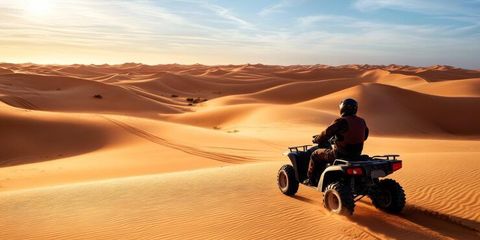
Essential Tips for Planning an Unforgettable Dubai Desert Safari
Dubai is widely recognised for its modern architecture, international tourism, shopping districts and coastal attractions. However, beyond the urban landscape lies an extensive desert environment featuring golden sand dunes, native wildlife and traditional Arabian landscapes. Dubai desert safaris provide visitors with an opportunity to explore this natural environment while learning about the region's cultural heritage and ecological importance.
A desert safari generally involves travelling into designated desert areas using suitable four-wheel-drive vehicles. Depending on the itinerary, visitors may experience dune driving, camel riding, sandboarding, traditional entertainment, wildlife observation and overnight desert camping.
These experiences combine outdoor recreation with cultural education. They also introduce visitors to the environmental conditions of the Arabian Peninsula, including its dry climate, desert vegetation and distinctive wildlife.
Different Types of Desert Safaris
Dubai offers several safari formats designed around different interests, schedules and travel preferences.
Morning desert safari: Usually focuses on cooler early hours, dune exploration, photography and outdoor activities.
Evening desert safari: Combines sunset views, desert exploration, cultural activities and traditional dining experiences.
Luxury desert safari: Emphasises private settings, premium accommodation, personalised itineraries and quieter desert surroundings.
Private desert safari: Provides a more individualised experience for families, couples and small groups.
Overnight desert safari: Includes an extended stay in a desert camp, allowing visitors to observe the night sky and experience the desert after sunset.
Wildlife-focused safari: Concentrates on native animals, desert ecosystems and conservation activities.
The appropriate format depends on the season, available time, physical preferences and interest in cultural or environmental experiences.
Why Dubai Desert Safaris Matter Today
Desert tourism plays an important role in Dubai's international tourism identity. While the city attracts visitors through contemporary attractions, desert experiences introduce another dimension of the emirate's geography, history and cultural traditions.
For international travellers, a desert safari provides an opportunity to understand the landscape beyond the city. It also creates awareness of how communities historically adapted to limited water resources, high temperatures and challenging environmental conditions.
Importance for Tourism and Local Culture
Desert experiences contribute to several areas of tourism and cultural awareness.
Cultural understanding: Visitors can learn about Bedouin traditions, traditional clothing, Arabian hospitality and historical desert lifestyles.
Environmental education: Wildlife observation introduces visitors to native species and the importance of protecting fragile ecosystems.
Adventure tourism: Activities such as dune bashing, sandboarding and camel riding attract travellers interested in outdoor recreation.
Photography and astronomy: Open desert landscapes provide opportunities for sunset photography, landscape observation and night-sky viewing.
Family travel: Different safari formats accommodate families, couples, groups and individual travellers.
Economic and Environmental Considerations
Desert tourism contributes to Dubai's wider visitor economy through accommodation, transportation, hospitality and recreational activities. However, increased visitor numbers also create environmental responsibilities.
Desert ecosystems can be affected by uncontrolled vehicle movement, littering, excessive noise and disturbance to wildlife. Sustainable tourism therefore requires appropriate visitor management, authorised routes and responsible environmental practices.
A balanced approach helps preserve natural landscapes while allowing future generations to understand and experience the desert environment.
Recent Developments and Emerging Trends
Dubai's desert tourism landscape continues to evolve through environmental conservation, specialised outdoor experiences and improved tourism regulation. Developments during 2025 and 2026 demonstrate a growing emphasis on organised activities, visitor safety and nature-focused tourism.
Greater Attention to Sustainable Desert Tourism
Environmental awareness has become an important part of desert tourism planning. Protected locations such as the Dubai Desert Conservation Reserve and Al Marmoom Desert Conservation Reserve highlight the importance of maintaining natural habitats.
These areas support native wildlife, desert plants and bird populations. Their conservation programmes encourage responsible tourism and environmental education.
Growth of Nature-Based Experiences
Recent tourism planning increasingly highlights experiences beyond conventional dune driving.
Examples include:
Guided wildlife observation.
Desert photography and landscape exploration.
Nature walks in designated locations.
Traditional Arabian cultural experiences.
Astronomy and night-sky observation.
Educational activities focused on desert ecosystems.
The Dubai tourism guide for 2026 also highlights desert experiences such as Love Lake, nature-based exploration and specialised eco-adventures.
Updated Safari Driving Requirements in 2026
On 15 October 2026, the Roads and Transport Authority (RTA) updated its published information concerning safari driving permits.
The guidance explains that drivers undertaking tourist desert safari activities must meet the relevant professional requirements. A normal light-vehicle driving licence alone does not authorise someone to conduct tourist desert transport independently.
The guidance also addresses company registration, valid trade licences and safari driving permit requirements.
These measures reflect the importance of professional qualifications and regulated operations in adventure tourism.
Development of Wildlife Conservation Areas
Dubai continues to maintain protected natural areas that contribute to environmental awareness.
Al Marmoom Desert Conservation Reserve, for example, supports Arabian oryx, gazelles, birds, reptiles and native plants. The area also includes artificial lakes and habitats that support biodiversity.
These developments demonstrate how desert tourism can connect outdoor recreation with conservation education.
Laws, Regulations and Safety Policies in Dubai
Dubai desert safaris operate within a regulatory framework covering tourism activities, driving qualifications, desert camps and environmental protection.
Visitors should understand that rules can differ between ordinary desert areas, protected reserves and organised tourist camps.
Tourism Licensing and Desert Camp Regulations
Dubai's Department of Economy and Tourism (DET) regulates tourism-related activities, including adventure safaris and desert camps.
Tourism operators must obtain the relevant approvals, certificates and licences before conducting regulated activities.
Executive Council Resolution No. 24 of 2020 addresses tourist camps in the Emirate of Dubai. It establishes requirements concerning authorised establishments, permits and camp operations.
Regulation No. 4 of 2006 also addresses tourist desert camps and associated operating requirements.
Safari Driving Permits
Safari driving involves specialised skills because sand dunes and desert terrain create different driving conditions from ordinary roads.
Relevant requirements include:
Appropriate driving qualifications.
A valid safari driving permit for professional tourist activities.
Registration with the relevant tourism company.
Compliance with applicable vehicle requirements.
Professional preparation for off-road conditions.
Visitors should use appropriately authorised operators rather than attempting organised tourist safari driving without the necessary qualifications.
Environmental Protection Regulations
Dubai has established protected areas to preserve wildlife, vegetation and natural habitats.
Local Order No. 11 of 2003 addresses the establishment and protection of protected areas in Dubai. It prohibits activities that damage wildlife, plants, geological formations and protected environments.
Visitors should therefore follow these environmental practices:
Avoid disturbing or feeding wild animals.
Do not remove plants, rocks or natural materials.
Avoid littering and polluting desert areas.
Remain within authorised driving and activity areas.
Follow instructions issued by reserve authorities.
Respect restrictions on photography and other activities in protected locations.
Personal Safety and Responsible Travel
Desert conditions can involve high temperatures, shifting sand and limited access to immediate assistance.
Visitors should consider the following precautions:
Carry sufficient drinking water.
Wear comfortable clothing and appropriate footwear.
Use sun protection during daylight activities.
Follow the instructions of trained safari drivers.
Inform organisers about relevant mobility requirements.
Follow age and health restrictions for adventure activities.
Check weather conditions before travelling.
Helpful Tools and Travel Resources
Planning a desert safari involves understanding the location, weather, travel arrangements, activity requirements and environmental restrictions.
The following resources can help visitors make informed decisions.
Official Tourism and Government Resources
| Resource | Main Purpose |
|---|---|
| Dubai Department of Economy and Tourism | Tourism regulations, licences and safari information |
| Dubai Roads and Transport Authority | Safari driving permits and transport regulations |
| Dubai Municipality | Protected areas and environmental information |
| Dubai Desert Conservation Reserve | Wildlife conservation and nature experiences |
| Visit Dubai | Destination information and travel planning |
| Dubai Legislation Portal | Official Dubai laws and regulations |
Useful Travel Planning Tools
Weather Applications: Weather applications can help visitors monitor temperature, wind conditions and weather forecasts before outdoor activities.
Navigation Applications: Digital maps can help identify desert locations, road access and meeting points. Visitors should avoid using ordinary navigation directions as permission to enter restricted desert areas.
Travel Planning Applications: Itinerary management applications can organise activity schedules, accommodation details, transportation arrangements and travel documents.
Photography Applications: Camera applications and night-photography tools can help visitors understand lighting conditions for desert sunsets, landscapes and astronomy.
Information to Check Before a Safari
Visitors should review the following details before finalising their itinerary:
Safari timing and expected duration.
Designated desert location.
Vehicle and driver qualifications.
Included recreational activities.
Weather conditions and seasonal temperatures.
Age restrictions and physical requirements.
Environmental rules applicable to the destination.
Cancellation and safety policies.
Comparing these details helps travellers understand what an itinerary includes and whether it matches their expectations.
Frequently Asked Questions
What is included in a Dubai desert safari?
The activities depend on the selected itinerary. Common experiences include four-wheel-drive dune exploration, camel riding, sandboarding, sunset photography and cultural activities. Some itineraries also include overnight accommodation, wildlife observation and traditional dining.
What is the best time of year for a desert safari in Dubai?
The cooler months, generally November through March, are popular for outdoor desert activities. Temperatures are usually more comfortable during this period. Morning and evening departures are also commonly preferred because daytime temperatures can be high.
Are Dubai desert safaris suitable for families?
Many organised itineraries accommodate families, but individual activities may have age, height or health restrictions. Dune bashing can involve sudden movements, so families should check the applicable safety requirements before choosing an activity.
What is the difference between morning and evening desert safaris?
Morning safaris generally focus on outdoor exploration during cooler early hours. Evening safaris commonly include sunset viewing, cultural activities and desert dining experiences. The choice depends on personal interests and available travel time.
Can visitors explore protected desert areas independently?
Access conditions vary between protected areas. Some locations permit public visits, while others require authorised operators, advance registration or specific approvals. Visitors should check the rules of the individual reserve before entering.
Conclusion
Dubai desert safaris provide an opportunity to explore the natural landscape, cultural heritage and environmental diversity of the United Arab Emirates. From morning dune exploration and evening desert experiences to wildlife observation and overnight camping, different formats introduce visitors to distinct aspects of desert life.
Understanding tourism regulations, safari driving qualifications, environmental protection requirements and personal safety precautions is important when planning these activities.
As Dubai continues developing its tourism landscape in 2026, sustainable desert exploration and wildlife conservation remain important considerations. Responsible visitor behaviour can help preserve the desert environment while maintaining opportunities for cultural learning, outdoor recreation and nature-based tourism.

Related Post...

Beach Homestay Booking Guide: Essential Details for Choosing Your Ideal Stay
Updated: October 30, 2026
Read More
Desert Off-Roading Safaris Tips for Safety, Navigation, and Desert Conditions
Updated: October 29, 2026
Read More
A Complete Guide to Last-Minute Beach Homestays, Resorts, Hotels and Apartments
Updated: October 30, 2026
Read More