The concept exists because agricultural land, gardens, and landscapes often waste water through evaporation, runoff, and overwatering. Drip systems minimize these losses by releasing water drop by drop. As agriculture expands and climates shift, the need for water-efficient systems has brought drip irrigation into widespread use worldwide. Its adoption has grown across small farms, commercial agriculture, greenhouses, orchards, and even household gardens.
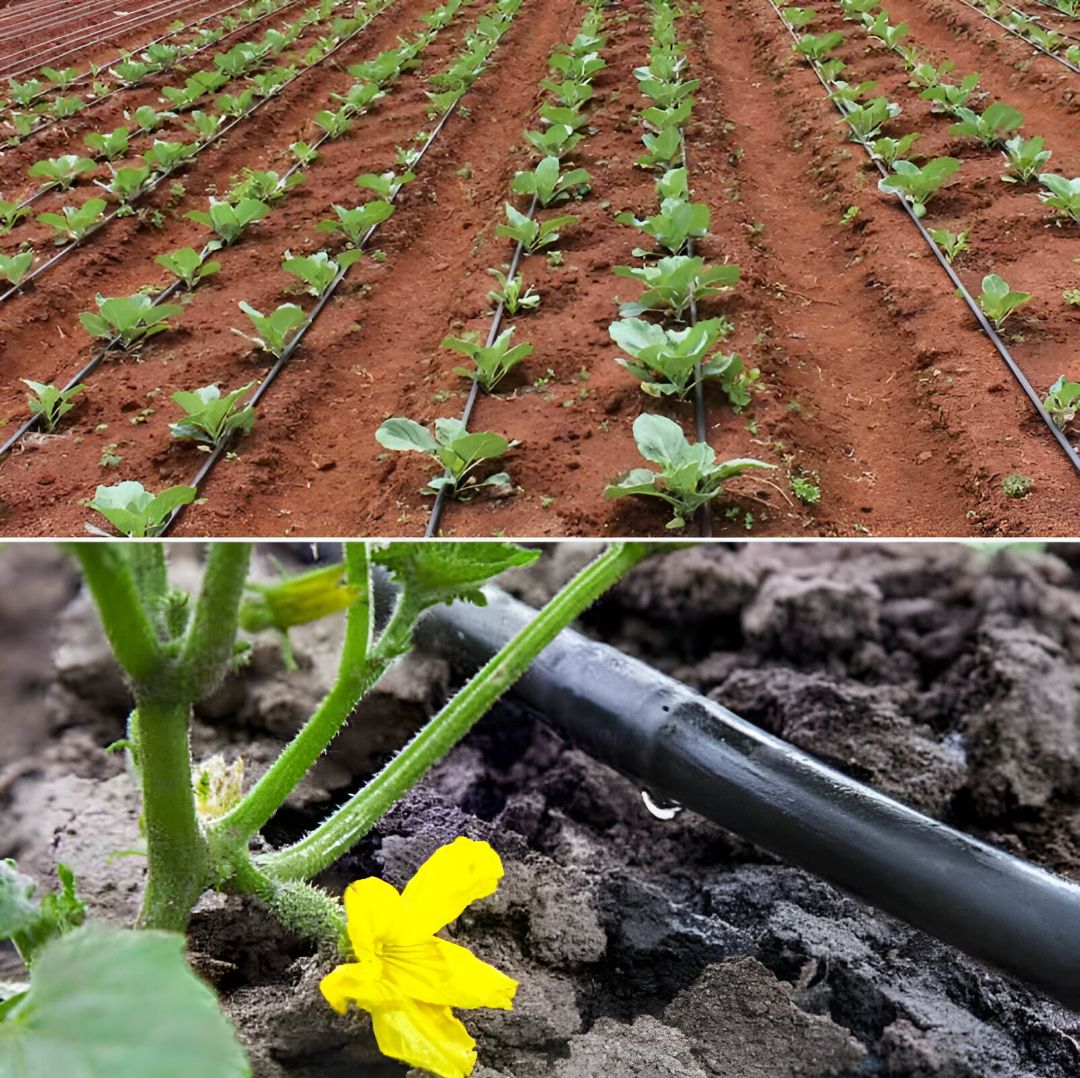
The system is simple in design but powerful in application. It consists of pipes, drip lines, filters, pressure regulators, and emitters that control the flow of water. Whether used in open fields or container plants, drip irrigation supports consistent soil moisture, healthier roots, and improved crop outcomes.
Importance – Why Drip Irrigation Matters Today
Drip irrigation plays a key role in modern water management and agriculture. It helps farmers, gardeners, landscapers, and households ensure plants receive adequate moisture without using excess water.
Here is why it matters today:
1. Efficient Water Use
Water scarcity affects many regions. Drip irrigation reduces water consumption significantly by targeting only the required area. This prevents waste and maintains soil health.
2. Better Plant Growth
Consistent moisture supports stronger root systems. Plants experience less stress, grow uniformly, and produce better yields. This applies to vegetables, fruit orchards, nurseries, flowers, and landscaping.
3. Cost Savings Over Time
Although the initial setup may require investment, long-term savings come from reduced water usage, lower electricity costs for pumping, and fewer plant losses.
4. Reduced Weed Growth
Because only plant roots are watered, surrounding soil remains dry. This discourages weeds, leading to less manual labor and improved productivity.
5. Suitable for All Soil Types
Drip systems perform well in sandy, loamy, or clay soils by controlling the water flow. Different emitters ensure water spreads evenly regardless of soil structure.
6. Minimal Labor Requirement
Once installed, drip systems can run automatically with timers, reducing the need for constant supervision.
7. Climate Change Adaptation
As temperatures rise and rainfall patterns shift, drip irrigation provides reliability. It helps manage irrigation schedules precisely, even during dry periods.
This method benefits farmers, agriculturists, gardeners, and anyone managing plant-based landscapes. It solves problems such as overwatering, water runoff, and inconsistent crop health.
Recent Updates – Trends and Developments in Drip Irrigation (2024–2025)
Over the past year, several changes and innovations have influenced how drip irrigation is used:
1. Growing Shift Toward Smart Irrigation (2024–2025)
Many users are adopting smart sensors and IoT-based systems. These devices track moisture levels, climate data, and irrigation performance to help schedule watering automatically.
2. Adoption of Solar-Powered Irrigation Pumps (Early 2024)
Solar pumps have gained popularity as they reduce energy costs. When combined with drip irrigation, they create a highly efficient and sustainable system.
3. Improved Filtration Technologies (Mid-2024)
New filters help handle water with higher sediment content, making drip irrigation more suitable for varied water sources.
4. Increased Use of Fertigation Systems (Throughout 2024)
Fertigation allows nutrients to be delivered directly through drip lines. This trend has grown due to its efficiency and reduced fertilizer waste.
5. Government Incentives and Support Programs (Late 2024)
Several countries introduced or strengthened subsidy programs to encourage water-saving techniques, including micro-irrigation systems.
These developments show continuous improvements in design, efficiency, and accessibility, making drip irrigation easier to maintain and operate.
Laws or Policies – Regulations and Government Support
Government policies play a significant role in promoting drip irrigation. Many countries support water-efficient agriculture through subsidies, guidelines, and sustainability goals.
Here are some common regulatory themes:
1. National Micro-Irrigation Schemes
Many governments offer financial assistance for installing drip and sprinkler systems. These programs aim to reduce water usage and improve agricultural productivity.
Examples include:
-
Support for equipment purchase
-
Training programs for farmers
-
Incentives for adopting water-saving technologies
2. Guidelines for Water Use Efficiency
Agricultural departments often issue best-practice guidelines for using drip systems safely and effectively, especially in regions facing water stress.
3. Standards for Irrigation Equipment
Policies require manufacturers to follow quality standards to ensure durability, safety, and performance. These standards help prevent system failures and improve long-term reliability.
4. Environmental and Water Conservation Policies
Some regions include drip irrigation as part of their long-term water conservation goals. These policies promote responsible use of groundwater and surface water.
5. Local Permitting Requirements
In certain areas, large-scale installations may require approvals to ensure sustainable water management.
These rules and programs encourage good agricultural practices while supporting users who want to shift toward efficient irrigation systems.
Tools and Resources – Helpful Platforms and Solutions
Several tools, apps, calculators, and resources can help users design, manage, and maintain drip irrigation systems effectively.
Recommended Tools & Resources
| Tool / Resource | Purpose / Benefit |
|---|---|
| Irrigation Scheduling Apps | Help plan daily watering schedules based on crop type and weather conditions. |
| Soil Moisture Sensors | Measures soil hydration levels to prevent overwatering. |
| Drip System Layout Calculators | Estimate pipe size, water flow, and emitter placement. |
| Government Agriculture Portals | Provide guidelines, training modules, and subsidy details. |
| Water Use Monitoring Apps | Track total water consumption for farms and gardens. |
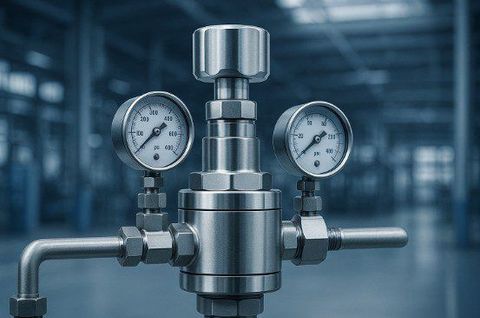
| Pressure Regulator Tools | Ensure the system maintains the correct water pressure. |
| Filtration Units | Protect emitters from clogging and maintain system efficiency. |
| Fertigation Equipment | Allows nutrients to be delivered through drip lines. |
| Weather and Climate Apps | Support irrigation planning by providing local forecasts. |
These resources help users design reliable systems, troubleshoot issues, and maximize water efficiency.
FAQs – Clear Answers to Common Questions
1. How does drip irrigation improve water efficiency?
Drip irrigation delivers water directly to the root zone, minimizing evaporation and runoff. This targeted approach uses significantly less water than traditional irrigation.
2. Can drip irrigation be used for all types of crops?
Yes. It works well for vegetables, fruit plants, orchards, flowers, shrubs, and even large-scale agriculture. Emitters can be selected based on crop water needs.
3. What maintenance does a drip system require?
Regular tasks include cleaning filters, checking emitters for clogs, inspecting pipes for leaks, and ensuring correct pressure levels. Routine maintenance helps extend system life.
4. Is drip irrigation suitable for home gardens?
Drip irrigation is widely used in home gardens because it saves water and supports healthier plants. It is easy to install and can be automated with timers.
5. Do I need a pump for drip irrigation?
A pump may be needed if the water source does not provide enough pressure. Many small systems can run on gravity-fed water, while large systems typically require stable pressure.
Final Thoughts
Drip irrigation is a valuable method for achieving healthier plants and promoting sustainable water use. By delivering water directly to plant roots, it provides steady moisture, reduces waste, and supports stronger crop development. Recent updates—including smart sensors, improved filtration, and government incentives—have made drip systems more efficient and accessible. Understanding the basics of design, maintenance, and proper use helps both beginners and experienced growers make informed decisions. Whether used in farms, greenhouses, or home gardens, drip irrigation remains one of the most effective ways to support reliable plant growth while conserving valuable water resources.