Explore Real Estate in Dubai: Property Types, Basics, and Helpful Insights
Real estate in Dubai has become a significant component of the region’s economic development and urban planning. The city has experienced rapid growth in infrastructure, housing, and commercial developments, which has transformed its property sector into one of the most recognized real estate markets in the Middle East. Real estate in Dubai includes a wide range of property categories such as residential apartments, villas, office spaces, retail units, and large mixed-use developments.
The concept of organized real estate development in Dubai exists to support population growth, international business activity, tourism, and long-term urban expansion. As the city evolved into a global commercial and travel hub, demand for housing and commercial spaces increased significantly. This demand encouraged the development of modern residential communities, high-rise buildings, waterfront projects, and integrated urban districts.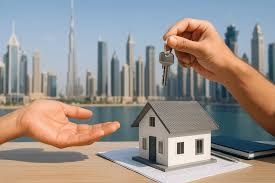
Dubai’s property sector operates within a structured regulatory framework and has attracted attention from both residents and international investors. Because of its large-scale developments and diverse property types, the Dubai property market offers a useful case study for understanding how modern real estate ecosystems function.
Importance
The real estate sector in Dubai plays a central role in the city’s economic structure and urban planning strategy. Property development influences employment, infrastructure growth, tourism, and business expansion. For residents, businesses, and investors, understanding the basics of real estate in Dubai provides insight into how urban environments are designed and managed.
Key reasons why the Dubai real estate market is important include:
-
Urban development: Real estate projects contribute to the expansion of residential communities, commercial districts, and transportation infrastructure.
-
Economic contribution: Property development and construction activity support economic diversification.
-
Housing availability: Residential developments help accommodate a growing population and workforce.
-
Commercial expansion: Office spaces and retail developments enable business activity across multiple industries.
-
Tourism and hospitality: Many real estate projects integrate hotels, entertainment areas, and retail facilities.
Because of these factors, the Dubai property market influences both local development and international investment discussions related to real estate trends.
Property Types in Dubai
The real estate landscape in Dubai includes several property categories designed for different residential, commercial, and mixed-use purposes.
| Property Type | Typical Use | Key Characteristics |
|---|---|---|
| Apartments | Residential living | High-rise buildings in urban areas |
| Villas | Residential housing | Independent homes in gated communities |
| Townhouses | Family housing | Multi-level homes within planned communities |
| Commercial offices | Business operations | Office towers and business centers |
| Retail units | Commercial activity | Shopping centers and street-level retail spaces |
Each property type is designed to meet different needs. Residential apartments are common in central districts, while villas and townhouses are often found in suburban-style communities. Commercial properties support offices, hospitality venues, and retail environments.
Recent Updates
Recent developments in the Dubai real estate sector reflect ongoing urban expansion and infrastructure investment. Developers continue to introduce integrated communities that combine residential, commercial, and recreational facilities within planned districts.
Several trends are shaping the property landscape:
-
Smart community planning: New developments increasingly integrate digital infrastructure, energy management systems, and community amenities.
-
Mixed-use projects: Urban planning initiatives combine housing, retail spaces, and business environments within single districts.
-
Sustainable design initiatives: Many modern buildings incorporate energy-efficient materials and environmental considerations.
-
Flexible living spaces: Developers are exploring adaptable residential layouts designed to support remote work and changing lifestyle needs.
-
Infrastructure integration: Transportation networks, metro expansion, and road systems continue to influence property development patterns.
These trends demonstrate how the Dubai property market continues evolving alongside the city’s broader urban strategy.
Laws or Policies
Real estate activities in Dubai are governed by regulatory frameworks designed to maintain transparency, protect property rights, and ensure organized development. Government authorities oversee land registration, development approvals, and property ownership guidelines.
Key regulatory elements include:
-
Property registration requirements: Official property registration ensures legal ownership documentation.
-
Land use and zoning regulations: Urban planning rules determine how land can be developed or utilized.
-
Ownership guidelines: Certain areas allow foreign property ownership under specific legal structures.
-
Construction standards: Building regulations define safety, environmental, and structural requirements.
-
Property oversight authorities: Regulatory bodies supervise development practices and compliance.
These policies support stability in the Dubai real estate ecosystem and help maintain trust in property transactions and development projects.
Tools and Resources
Several tools and informational resources help individuals understand the structure of the Dubai property market and evaluate real estate trends.
Common resources include:
-
Property market reports: Analytical publications that track development activity and market trends.
-
Urban planning documents: Government planning frameworks outlining future development zones.
-
Property data portals: Platforms that display listings, location insights, and neighborhood information.
-
Mapping tools: Geographic systems that help visualize property locations and infrastructure connections.
-
Real estate research publications: Reports analyzing market dynamics and investment trends.
These tools provide context for understanding how the Dubai real estate environment evolves and how different property types are distributed across the city.
Factors Influencing the Dubai Property Market
Several elements influence how real estate developments progress in Dubai. These factors shape both the supply of properties and the demand for residential and commercial spaces.
| Market Factor | Influence on Real Estate |
|---|---|
| Infrastructure development | Expands accessible residential areas |
| Population growth | Increases housing demand |
| Tourism activity | Supports hospitality and retail properties |
| Business expansion | Drives demand for office spaces |
| Urban planning initiatives | Guides long-term property development |
Understanding these factors helps explain how large-scale property markets evolve within rapidly developing cities.
FAQs
What types of properties are commonly found in Dubai?
Dubai includes residential apartments, villas, townhouses, office spaces, retail units, and mixed-use developments.
Why is Dubai known for large real estate developments?
Rapid urban expansion, infrastructure investment, and international business activity have contributed to large-scale property projects.
Are there specific zones for different property types?
Yes. Urban planning frameworks designate residential, commercial, and mixed-use areas throughout the city.
How does infrastructure affect property development?
Transportation networks, metro systems, and road expansion often influence where new communities and business districts emerge.
What makes the Dubai real estate market unique?
The combination of large-scale development projects, diverse property types, and integrated urban planning strategies distinguishes the market.
Conclusion
Real estate in Dubai represents a dynamic intersection of urban planning, economic growth, and architectural innovation. The city’s property sector includes a wide variety of residential, commercial, and mixed-use developments designed to support a rapidly expanding urban environment. By understanding the basics of property types, regulatory frameworks, and development trends, readers gain insight into how modern real estate ecosystems operate. The continued evolution of Dubai’s infrastructure and planning initiatives ensures that its real estate market remains a significant example of large-scale urban development.

You may also like...

Explore Cable Manufacturing Machines: Guide, Insights, and Key Information
Last Update: March 24, 2026
Read
Conveyor Belt Systems Guide: Basics, Types, and Industrial Applications
Last Update: March 23, 2026
Read