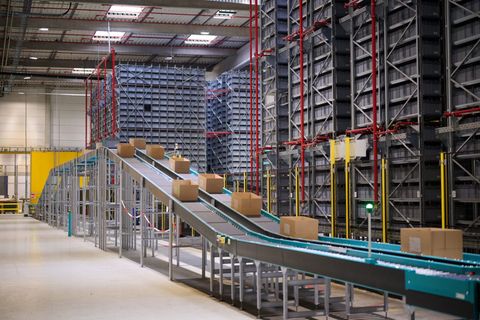
Retail billing systems became more complex as stores expanded product assortments, pricing models, promotions, and payment options. Earlier retail operations relied on manual billing, which allowed staff to visually verify prices. With the introduction of barcode scanners, point-of-sale (POS) systems, dynamic pricing, and digital promotions, the chances of billing discrepancies increased.
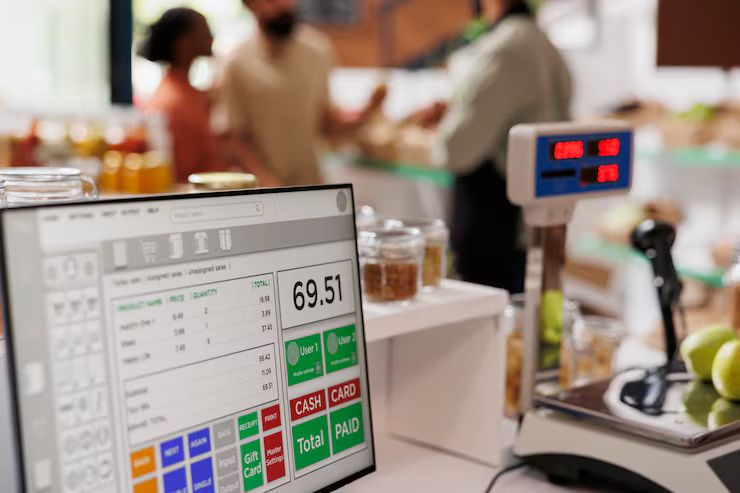
Billing accuracy monitoring exists to address these challenges. Even small pricing errors, when repeated across thousands of transactions, can lead to significant revenue loss or customer dissatisfaction. Monitoring systems help retailers identify errors early, correct system issues, and ensure that billing processes remain accurate, transparent, and reliable. In modern retail, billing accuracy is not only a financial concern but also a trust and compliance issue.
Importance – Why Retail Billing Accuracy Monitoring Matters Today
Retail billing accuracy monitoring plays a critical role in protecting revenue, maintaining customer trust, and supporting operational efficiency.
Prevents Revenue Leakage
Incorrect pricing, missed charges, or incorrect discounts can quietly reduce profit margins. Monitoring helps detect and prevent these losses.
Builds Customer Trust
Customers expect to be charged correctly. Accurate billing reduces disputes, complaints, and negative perceptions of the brand.
Improves Operational Efficiency
Identifying billing issues early reduces time spent on refunds, corrections, and customer support escalations.
Supports Consistent Pricing Strategy
Monitoring ensures that promotions, discounts, and price updates are applied correctly across all systems and locations.
Reduces Legal and Compliance Risks
Incorrect billing can lead to regulatory penalties or consumer complaints. Monitoring helps ensure compliance with pricing laws.
Benefits Multiple Retail Stakeholders
Billing accuracy monitoring supports:
-
Store managers and cashiers
-
Finance and accounting teams
-
Inventory and pricing teams
-
Customers and regulators
Solves Common Retail Problems
Effective monitoring helps address:
-
Price mismatches between shelf and checkout
-
Incorrect tax calculations
-
Missed or duplicate charges
-
Promotion and discount errors
-
Refund and reconciliation issues
In high-volume retail environments, accuracy is essential for sustainable profitability.
Recent Updates – Trends and Developments in 2024–2025
Retail billing accuracy monitoring has evolved over the past year due to digital transformation and data-driven retail operations.
Increased Use of Automated Billing Audits (2024)
Retailers adopted automated tools to review transaction data and identify anomalies in real time.
Integration of AI-Based Error Detection
In 2024, AI systems were increasingly used to flag unusual billing patterns and repetitive pricing errors.
Real-Time Price Synchronization
More retailers improved synchronization between pricing databases, POS systems, and inventory platforms to reduce mismatches.
Growth of Omnichannel Billing Monitoring
With online and offline retail integration, monitoring expanded to cover in-store, online, and mobile transactions together.
Improved Staff Training and Alerts
Retail systems began providing instant alerts to staff when billing discrepancies occurred during checkout.
Greater Focus on Transparency
Retailers emphasized clearer digital receipts and price breakdowns to help customers verify charges easily.
These developments show a move toward proactive, technology-driven billing accuracy management.
Laws or Policies – Regulations Affecting Retail Billing Accuracy
Retail billing accuracy is closely tied to consumer protection, taxation, and pricing transparency regulations.
Consumer Protection Laws
Retailers are required to charge customers the correct price as advertised or displayed.
Pricing Transparency Regulations
Prices, discounts, and taxes must be clearly communicated to customers before and during billing.
Tax Compliance Rules
Incorrect tax calculation or reporting can result in penalties, making billing accuracy essential.
Weights and Measures Regulations
In some regions, pricing per unit or quantity must be accurate and verifiable.
Digital Transaction and Record-Keeping Policies
Retailers must maintain accurate billing records for audits, refunds, and dispute resolution.
Compliance with these laws protects both customers and retailers while reinforcing trust and accountability.
Tools and Resources – Helpful Support for Billing Accuracy Monitoring
A range of tools and resources help retailers monitor and improve billing accuracy.
Useful Tools and Resources
| Tool / Resource | Purpose / Benefit |
|---|---|
| Point-of-Sale (POS) Audit Tools | Detect pricing and billing discrepancies |
| Transaction Analytics Dashboards | Monitor billing patterns and anomalies |
| Price Management Systems | Ensure consistent pricing across channels |
| Tax Calculation Software | Improve tax accuracy on bills |
| Exception Reporting Tools | Flag unusual or incorrect transactions |
| Digital Receipt Systems | Improve transparency for customers |
| Staff Training Modules | Reduce human billing errors |
| Internal Audit Checklists | Standardize billing reviews |
These tools help retailers maintain accuracy without slowing down operations.
FAQs – Clear and Factual Answers
What is retail billing accuracy monitoring?
It is the process of ensuring that all retail transactions are billed correctly, including prices, discounts, and taxes.
How does billing inaccuracy cause revenue loss?
Small errors across many transactions can add up to significant financial losses over time.
Is billing accuracy monitoring only for large retailers?
No. Small and medium retailers also benefit from monitoring to prevent errors and disputes.
Can automated systems fully eliminate billing errors?
Automation reduces errors significantly, but human oversight and regular reviews are still important.
How often should billing accuracy be reviewed?
Many retailers monitor billing daily or in real time, with periodic audits for deeper analysis.
Final Thoughts
Retail billing accuracy monitoring is a vital practice for preventing revenue loss and maintaining customer trust in modern retail environments. As pricing models, promotions, and sales channels become more complex, the risk of billing errors increases. By adopting monitoring tools, improving system integration, and training staff effectively, retailers can detect issues early and reduce financial leakage. Recent advances in automation and analytics have made billing accuracy monitoring more accessible and efficient than ever. When implemented responsibly and in compliance with regulations, it supports transparent, reliable, and sustainable retail operations.