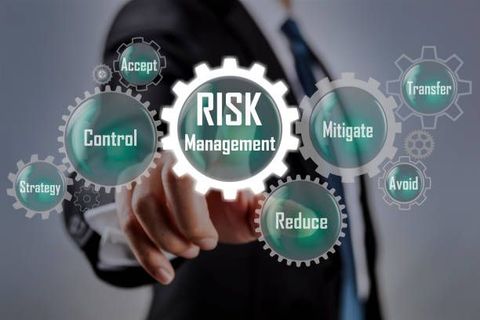
Corporate Insurance Guide: Business Protection, Risk Assessment, Coverage Planning, and Insurance Insights
Corporate insurance is an important part of business risk management. Organizations can face financial exposure from property damage, liability claims, cyber incidents, employee-related risks, operational interruptions, transportation activities, professional errors, and other unexpected events.
Insurance planning involves identifying potential exposures, reviewing applicable coverage, understanding policy conditions, and aligning protection with the organization's activities and contractual responsibilities.
Because businesses differ significantly by industry, size, location, assets, workforce, and operations, there is no single insurance structure that applies to every organization.
Why Corporate Insurance Matters
A structured insurance program can help an organization evaluate financial risks that could otherwise affect operations and long-term planning.
Corporate insurance planning may address:
Commercial property risks
General liability exposure
Professional liability
Cybersecurity incidents
Business interruption
Workers compensation
Commercial vehicles
Directors and officers
Employment-related claims
Product-related liability
Equipment and machinery
Crime and fraud
Environmental exposures
Contractual insurance requirements
Insurance is only one component of broader risk management. Organizations may also use internal controls, safety procedures, cybersecurity measures, contracts, contingency planning, and operational safeguards.
What Is Corporate Insurance?
Corporate insurance generally refers to insurance arrangements designed around the risks faced by businesses and organizations.
Depending on the business, an insurance program may include several separate policies or endorsements.
Common considerations include:
The organization's legal structure
Industry and business activities
Physical property
Employees and contractors
Customer interactions
Professional activities
Vehicles and transportation
Technology systems
Contracts
Geographic exposure
Regulatory obligations
The appropriate structure depends on the organization's specific risk profile and applicable policy terms.
Common Types of Corporate Insurance
Commercial Property Insurance
Commercial property coverage can address certain risks involving business buildings, equipment, furnishings, inventory, and other covered property.
Depending on the policy, covered events may include specified causes of physical damage.
Important considerations can include:
Building characteristics
Business personal property
Equipment
Inventory
Property valuation
Deductibles
Coverage limits
Exclusions
Business location
Replacement considerations
Organizations should review whether policy definitions correspond with the actual property and risks present at the location.
General Liability Insurance
General liability coverage can address certain third-party claims involving bodily injury, property damage, or other covered liabilities.
Businesses may consider general liability protection when their activities involve customers, visitors, vendors, contractors, or members of the public.
Policy terms can vary considerably, so organizations should review:
Coverage limits
Exclusions
Occurrence or claims-made provisions where applicable
Contractual requirements
Additional-insured provisions
Defense provisions
Deductibles or self-insured amounts
Professional Liability Insurance
Professional liability coverage may be relevant to organizations that provide professional advice, analysis, design, consulting, technology, or other specialized activities.
Potential exposures can arise from allegations involving errors, omissions, professional negligence, or failure to meet defined obligations.
The appropriate policy structure depends heavily on the nature of the organization's professional activities.
Cyber Insurance
Cyber insurance may address certain financial exposures associated with covered cybersecurity incidents.
Potential areas can include:
Data breaches
Network security incidents
Privacy events
Business interruption following a covered cyber event
Incident response
Certain notification expenses
Cyber-related liability claims
Cyber policies can differ substantially in definitions, exclusions, security requirements, and coverage triggers.
Organizations should not treat cyber insurance as a substitute for cybersecurity controls.
Business Interruption Coverage
Business interruption or business income coverage can help address certain financial losses associated with covered disruptions.
Depending on the policy, considerations may include:
Covered physical damage
Business income
Extra expenses
Waiting periods
Coverage periods
Documentation requirements
Policy limits
Dependent-property exposure
Financial records are often important when determining the extent of a covered loss.
Workers Compensation
Workers compensation programs address certain employee workplace injuries and related obligations under applicable laws.
Requirements vary significantly by jurisdiction and employment circumstances.
Organizations should review:
Employee classifications
Payroll information
State requirements
Contractor relationships
Workplace hazards
Reporting procedures
Employer obligations
Directors and Officers Insurance
Directors and officers coverage may address certain claims involving individuals serving in leadership or governance roles.
Potential exposures can involve allegations related to management decisions, fiduciary duties, corporate governance, or other covered matters.
Coverage structure varies according to the organization, policy wording, jurisdiction, and applicable corporate requirements.
Commercial Auto Insurance
Organizations operating vehicles may need commercial auto coverage appropriate to their vehicle and business activities.
Planning can involve:
Vehicle types
Driver classifications
Vehicle usage
Geographic operations
Fleet size
Liability limits
Physical damage
Contractual requirements
Transportation regulations and insurance requirements can vary by jurisdiction and vehicle activity.
Corporate Insurance Risk Assessment
Risk assessment is an important starting point for insurance planning.
Organizations can identify risks by reviewing:
1. Physical Assets
Consider buildings, equipment, inventory, computers, machinery, vehicles, and other important assets.
2. People
Review employees, executives, contractors, customers, visitors, and other individuals who interact with the organization.
3. Operations
Identify activities that could create property, liability, professional, environmental, cyber, transportation, or operational exposure.
4. Contracts
Commercial agreements may contain insurance requirements, indemnification provisions, liability allocations, and additional-insured requirements.
5. Technology
Review systems, customer information, cloud platforms, payment systems, networks, and critical digital infrastructure.
6. Business Continuity
Identify operations where a significant interruption could affect revenue, customers, suppliers, employees, or contractual obligations.
Coverage Limits and Deductibles
Coverage limits establish the maximum amount a policy may provide for covered losses, subject to the policy's terms and conditions.
Deductibles represent amounts that may remain the responsibility of the insured before applicable insurance payments begin.
Organizations should evaluate these factors alongside:
Potential loss severity
Available financial resources
Asset values
Contract requirements
Business interruption exposure
Industry risks
Historical claims
Risk tolerance
Selecting limits should not be based solely on the lowest premium or a standard industry amount.
Insurance Policy Review
A corporate insurance review can examine the actual policy documents rather than relying only on policy summaries.
Important areas include:
Insured parties
Coverage limits
Deductibles
Definitions
Exclusions
Conditions
Endorsements
Policy period
Territory
Notice requirements
Claims procedures
Contractual provisions
Small differences in policy wording can materially affect how a claim is handled.
Insurance and Business Continuity
Insurance planning can complement business continuity planning.
Organizations can identify critical operations and evaluate how different events could affect them.
Potential scenarios include:
Building damage
Equipment failure
Cyber incidents
Supply-chain disruption
Natural disasters
Workplace incidents
Vehicle accidents
Liability claims
Key facility interruptions
A continuity plan can establish operational responses, while insurance planning addresses applicable financial exposures under the relevant policies.
Corporate Insurance and Contracts
Insurance requirements frequently appear in commercial contracts.
A contract may specify:
Minimum liability limits
Workers compensation requirements
Auto insurance
Professional liability
Additional-insured status
Certificates of insurance
Waiver provisions
Indemnification
Notice requirements
Organizations should compare contractual insurance obligations with their actual policies before entering into significant agreements.
Claims Documentation
Good documentation can make the claims process more organized.
Depending on the event, records may include:
Incident reports
Photographs
Repair records
Financial statements
Invoices
Payroll records
Inventory records
Contracts
Property records
Communication records
Police or regulatory reports where applicable
Businesses should follow the notice and documentation requirements contained in their policies.
Corporate Insurance and Risk Controls
Insurance should work alongside internal risk controls.
Businesses can reduce exposure through measures such as:
Employee training
Physical security
Cybersecurity controls
Access management
Backup procedures
Equipment maintenance
Safety inspections
Contract reviews
Vendor due diligence
Business continuity planning
Incident-response procedures
Insurance does not eliminate the underlying risk, and coverage may depend on compliance with policy conditions.
Recent Developments in Corporate Insurance
Corporate insurance planning continues to evolve as businesses face changing technology, regulatory, environmental, and operational risks.
Important developments include:
Increased attention to cyber risk
Greater focus on supply-chain interruptions
More detailed business-continuity planning
Increasing use of digital claims processes
Expanded risk analytics
Greater scrutiny of contractual insurance requirements
Changing property and catastrophe exposures
Increased attention to third-party risk
More integration between insurance and enterprise risk management
Organizations should periodically review their risk profile as operations and external conditions change.
Corporate Insurance Planning Checklist
Organizations can review the following areas:
Identify major business risks
Inventory important physical and digital assets
Review current insurance policies
Compare coverage with actual business activities
Review limits and deductibles
Examine exclusions and endorsements
Check contractual insurance requirements
Review cyber and technology exposure
Evaluate business interruption exposure
Review employee-related obligations
Assess vehicle and transportation risks
Review claims documentation procedures
Coordinate insurance with business continuity planning
Review policies after major organizational changes
Verify applicable regulatory requirements
Tools and Resources
Useful resources for corporate insurance planning include:
Insurance policy documents
Risk registers
Asset inventories
Business continuity plans
Claims records
Contract-management systems
Financial statements
Property records
Cybersecurity assessments
Vendor-risk assessments
Incident-reporting procedures
Regulatory guidance
Professional insurance and risk-management resources
Frequently Asked Questions
What is corporate insurance?
Corporate insurance refers to insurance arrangements designed to address financial risks associated with an organization's property, operations, employees, technology, vehicles, professional activities, and other exposures.
What types of insurance do businesses commonly consider?
Depending on their activities, businesses may consider commercial property, general liability, professional liability, cyber, business interruption, workers compensation, directors and officers, and commercial auto coverage.
How should a business assess its insurance needs?
A business can begin by identifying its assets, people, operations, contractual obligations, technology environment, regulatory requirements, and potential financial exposures. These factors can then be compared with existing policy terms.
Why should businesses review insurance policies regularly?
Business activities, assets, contracts, technology, employees, locations, and regulations can change. Periodic review can help identify differences between the organization's current risk profile and its existing insurance arrangements.
Does insurance replace risk management?
No. Insurance is generally one component of risk management. Businesses may also need internal controls, cybersecurity measures, safety procedures, continuity planning, contractual controls, and other risk-reduction measures.
Conclusion
Corporate insurance planning connects business risk assessment with coverage review, contractual requirements, financial exposure, and business continuity.
A structured approach can help organizations identify important risks, understand policy terms, evaluate coverage needs, and coordinate insurance with broader risk-management practices.
Because insurance requirements vary significantly by business, policy, jurisdiction, and industry, organizations should review current policy documents and obtain appropriate professional guidance before making significant insurance decisions.

Related Post...