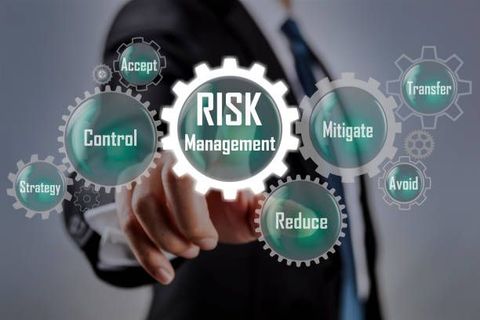
Commercial Liability Guide: Business Risks, Legal Exposure, Coverage Considerations, and Practical Insights
Commercial liability refers to the potential financial and legal exposure a business may face when its activities, products, premises, employees, or operations cause harm to another party.
Liability planning can involve insurance coverage, contracts, operational controls, workplace practices, documentation, and broader risk-management procedures.
The appropriate approach depends on the business's industry, activities, customers, locations, contracts, employees, assets, and applicable laws.
Why Commercial Liability Matters
Businesses can face liability exposure from many sources.
Potential areas include:
Customer injuries
Property damage
Product-related claims
Professional errors
Advertising-related allegations
Employee-related incidents
Contractual disputes
Cyber-related events
Vehicle operations
Premises-related risks
Understanding these exposures can help businesses evaluate appropriate controls and insurance structures.
Common Types of Commercial Liability
General Liability
Commercial general liability coverage can address certain third-party claims involving areas such as bodily injury, property damage, and personal or advertising injury, subject to policy terms.
Businesses should review the specific definitions, exclusions, limits, and conditions contained in their policies.
Product Liability
Businesses involved in manufacturing, distributing, or selling products may face exposure associated with alleged product defects or injuries.
Potential risk areas can include:
Manufacturing issues
Design concerns
Inadequate warnings
Packaging problems
Product instructions
Distribution activities
Product-related coverage depends on the applicable policy and business activities.
Professional Liability
Professional liability may be relevant when a business provides specialized advice, professional expertise, or other professional activities.
The terminology and coverage structure can differ among industries.
Commercial Auto Liability
Businesses using vehicles for commercial activities may have liability exposure arising from vehicle operations.
Potential considerations include:
Company-owned vehicles
Employee-operated vehicles
Hired vehicles
Non-owned vehicles
Driver activities
Vehicle use policies
Applicable insurance requirements vary by vehicle, use, jurisdiction, and business activity.
Cyber Liability
Organizations that maintain digital systems or personal information may face cyber-related legal and financial exposure.
Potential areas can include:
Data incidents
Network interruptions
Privacy allegations
Cybersecurity events
Certain response expenses
Cyber coverage varies substantially by insurer and policy.
Business Liability Risk Assessment
A liability assessment can begin by identifying how the business interacts with customers, employees, suppliers, contractors, property, products, and technology.
Businesses can review:
Products and activities
Customer locations
Physical premises
Employee responsibilities
Contractors
Vehicles
Equipment
Digital systems
Customer information
Supplier relationships
Commercial contracts
A risk register can categorize each exposure according to likelihood, potential impact, existing controls, and insurance considerations.
Legal Exposure and Business Operations
Liability exposure is not limited to insurance.
Business practices can influence legal risk through:
Contracts
Safety procedures
Employee policies
Product documentation
Customer agreements
Recordkeeping
Vendor arrangements
Data-protection practices
Incident-response procedures
Clear documentation can help organizations establish what occurred and how relevant policies or procedures were applied.
Liability Coverage Limits
Coverage limits establish the maximum amount an insurer may pay for covered losses or claims under specified policy terms.
Businesses may encounter:
Per-occurrence limits
Aggregate limits
Sub-limits
Policy-period limits
Deductibles
Retentions
The appropriate limits depend on factors such as business activities, contracts, assets, potential claim severity, industry exposure, and available financial resources.
Policy Exclusions
Insurance policies do not cover every type of liability.
Exclusions may address particular:
Intentional acts
Contractual obligations
Professional activities
Environmental exposures
Cyber events
Employee-related matters
Product-related circumstances
Specific property or operations
Businesses should review exclusions carefully when evaluating potential coverage gaps.
Additional Insureds and Contract Requirements
Commercial contracts may require one party to provide liability coverage for another party under specified circumstances.
Contract requirements can address:
Minimum limits
Additional insured status
Certificates of insurance
Waivers of subrogation
Policy duration
Primary and noncontributory wording
Notice requirements
A certificate of insurance generally summarizes coverage information but does not replace the underlying policy.
Businesses should compare contractual requirements with actual policy language before relying on coverage.
Claims and Incident Documentation
When an incident occurs, timely documentation can be important.
Businesses may document:
Date and time
Location
People involved
Description of the incident
Photographs
Witness information
Relevant communications
Applicable records
Immediate actions taken
Related invoices or expenses
Businesses should follow the notice and claims procedures specified in the applicable insurance policy and contract.
Risk Controls
Insurance is only one component of commercial liability management.
Businesses can also use:
Employee training
Workplace safety procedures
Product-quality controls
Equipment maintenance
Customer documentation
Contract reviews
Vendor screening
Cybersecurity controls
Incident reporting
Business continuity planning
Preventive controls can help reduce the likelihood or severity of certain incidents.
Commercial Liability and Contracts
Contracts can influence liability exposure by establishing responsibilities between parties.
Businesses should review provisions concerning:
Indemnification
Insurance requirements
Liability limitations
Warranties
Dispute procedures
Confidentiality
Data protection
Performance obligations
Termination rights
The effect of these provisions depends on the contract wording and applicable law.
Commercial Liability and Business Continuity
A significant liability event can affect more than legal exposure.
Businesses may also experience:
Operational disruption
Customer loss
Reputation concerns
Increased expenses
Management distraction
Insurance consequences
Contractual complications
Business continuity planning can help organizations prepare for operational consequences while legal and insurance matters are being addressed.
Recent Developments
Commercial liability planning increasingly incorporates cybersecurity, data privacy, supply-chain dependencies, artificial intelligence, remote operations, and increasingly complex contractual relationships.
Organizations may need to evaluate whether existing liability controls remain appropriate as they:
Introduce new technology
Expand geographically
Add products
Enter new contracts
Use more third-party vendors
Collect additional customer information
Adopt automated systems
Regular risk reviews can help identify exposures created by changes in business operations.
Commercial Liability Planning Checklist
Businesses can consider:
Identify major liability exposures
Review current liability policies
Examine coverage limits
Review deductibles and retentions
Examine policy exclusions
Review major commercial contracts
Identify indemnification obligations
Review additional-insured requirements
Assess product and professional exposures
Evaluate cyber and privacy risks
Review vehicle-related exposure
Maintain incident documentation procedures
Review employee safety controls
Evaluate vendor and contractor risks
Update the risk assessment after major business changes
Tools and Resources
Useful resources for commercial liability planning include:
Commercial insurance policies
Certificates of insurance
Commercial contracts
Risk registers
Incident-reporting systems
Asset inventories
Employee safety policies
Vendor-management records
Business continuity plans
Cybersecurity assessments
Legal and compliance records
Financial statements
Qualified insurance and risk-management professionals
Frequently Asked Questions
What is commercial liability?
Commercial liability refers to the potential legal and financial exposure a business may face when its activities, products, premises, employees, or operations allegedly cause harm or loss to another party.
What does commercial general liability typically address?
Commercial general liability policies can address certain third-party claims involving areas such as bodily injury, property damage, and personal or advertising injury, subject to the policy's terms, limits, conditions, and exclusions.
Why are liability policy exclusions important?
Exclusions identify circumstances or types of losses that may not be covered. Reviewing them can help businesses understand potential gaps in their risk-management approach.
What factors influence commercial liability coverage needs?
Coverage considerations can include business activities, industry, property, products, contracts, customers, employees, vehicles, geographic locations, potential claim severity, and applicable requirements.
How can businesses reduce liability exposure?
Businesses can combine insurance with preventive controls such as employee training, safety procedures, contract reviews, product-quality controls, vendor management, cybersecurity practices, documentation, and incident-response procedures.
Conclusion
Commercial liability planning connects business risks, legal exposure, insurance coverage, contracts, operational controls, and business continuity.
A practical approach begins by identifying the organization's actual exposures and then reviewing applicable policies, limits, exclusions, contractual obligations, and preventive controls.
Because liability requirements and insurance coverage vary significantly, businesses should review current policy documents and applicable contracts and obtain qualified professional guidance when making significant risk-management decisions.

Related Post...