Business Insurance Planning Guide: Risk Exposure, Coverage Factors, Policy Structures, and Protection Insights
Business insurance planning is the process of identifying potential risks and evaluating insurance coverage that may help address specific financial exposures.
Insurance planning can involve property, liability, business income, commercial vehicles, workers compensation, cyber risks, professional liability, equipment, and other exposures depending on the organization.
The appropriate insurance structure depends on the business activity, assets, employees, contracts, location, industry, and applicable requirements.
Why Business Insurance Planning Matters
A business can face financial exposure from events affecting its property, operations, employees, customers, suppliers, or other parties.
Insurance planning can help organizations evaluate:
Property risks
Liability exposure
Business interruption risks
Equipment risks
Vehicle exposure
Cybersecurity incidents
Professional liability
Employee-related risks
Contractual requirements
Industry-specific exposures
The objective is not simply to select policies, but to understand how different coverage structures relate to the organization's broader risk-management strategy.
Common Types of Business Insurance
Different businesses may require different combinations of coverage.
Commercial General Liability
General liability coverage can address certain third-party claims involving areas such as bodily injury, property damage, or personal and advertising injury, subject to policy terms and exclusions.
Coverage should be evaluated based on the organization's activities and contractual obligations.
Commercial Property Coverage
Commercial property insurance can address covered physical damage to business property.
Potentially relevant property can include:
Buildings
Equipment
Furniture
Inventory
Fixtures
Business contents
The policy wording determines what property and causes of loss are covered.
Business Income Coverage
Business income coverage may address certain lost income or continuing expenses following a covered property loss, subject to the policy's terms, limits, waiting periods, and coverage period.
Businesses should understand how business income calculations are defined within the applicable policy.
Workers Compensation
Workers compensation requirements generally depend on the jurisdiction, workforce, business activity, and applicable law.
Employers should review applicable state requirements and understand how employee-related coverage interacts with their broader risk-management program.
Commercial Auto
Businesses operating vehicles may need commercial auto coverage depending on vehicle use, ownership, business activity, and jurisdiction.
Potential considerations include:
Business-owned vehicles
Employee vehicle use
Hired vehicles
Non-owned vehicles
Vehicle liability
Physical damage
Professional Liability
Professional liability coverage may be relevant to businesses that provide professional advice, specialized expertise, or professional services.
The terminology and coverage structure can vary by industry.
Cyber Insurance
Organizations handling sensitive information or relying heavily on digital systems may evaluate cyber-related insurance.
Potential areas can include:
Data incidents
Network interruptions
Cybersecurity response
Certain notification expenses
Cyber-related liability
Coverage varies significantly between policies.
Risk Exposure Assessment
Insurance planning should begin with an assessment of the organization's actual exposures.
Businesses can evaluate:
Physical assets
Revenue sources
Employees
Customer interactions
Contracts
Vehicles
Equipment
Digital systems
Data
Suppliers
Locations
Regulatory requirements
A risk register can help categorize exposures according to likelihood, potential impact, existing controls, and insurance considerations.
Coverage Limits
A policy limit represents the maximum amount an insurer may pay for a covered loss or category of loss, subject to the policy terms.
Businesses should review:
Per-occurrence limits
Aggregate limits
Sub-limits
Coverage-specific limits
Deductibles
Waiting periods
Coverage periods
Selecting limits requires consideration of the organization's potential exposure, assets, contracts, revenue, and risk tolerance.
Higher limits are not automatically appropriate for every business, and lower limits may create significant financial exposure in certain circumstances.
Deductibles and Retentions
A deductible is an amount the insured may be responsible for before certain covered losses are paid under the policy.
Businesses should evaluate deductibles alongside available cash reserves.
A policy with a different deductible can affect the organization's financial exposure when a covered event occurs.
Policy Exclusions
Insurance policies do not cover every possible event.
Exclusions can vary by policy and may address areas such as:
Certain intentional acts
Specific environmental conditions
Certain cyber events
Particular contractual obligations
Specific types of property
Certain natural hazards
Wear and maintenance issues
Businesses should review exclusions carefully rather than assuming that a broad policy title means every related risk is covered.
Endorsements and Policy Extensions
An endorsement can modify, add to, restrict, or otherwise change coverage under an insurance policy.
Businesses may encounter endorsements involving:
Additional insureds
Property extensions
Equipment
Business income
Cyber risks
Contractual requirements
Location-specific coverage
Special exclusions
The actual wording should be reviewed because an endorsement can materially change how a policy operates.
Business Insurance and Contracts
Commercial contracts frequently contain insurance requirements.
A contract may specify:
Required coverage types
Minimum limits
Additional insured requirements
Certificates of insurance
Waivers of subrogation
Policy duration
Notice provisions
Businesses should compare contractual requirements with actual policy provisions and avoid assuming that a certificate of insurance itself changes the underlying coverage.
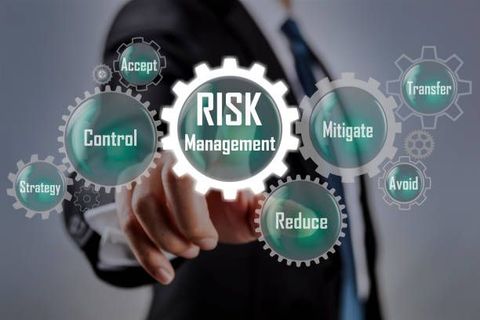
Business Insurance and Risk Management
Insurance is only one component of risk management.
Other controls can include:
Employee training
Physical security
Cybersecurity controls
Business continuity planning
Equipment maintenance
Workplace safety
Vendor management
Contract controls
Emergency planning
Data backups
A comprehensive approach can combine prevention, mitigation, continuity planning, and insurance protection.
Business Income and Continuity Planning
Businesses should consider how a major interruption could affect operations.
Planning can examine:
Fixed expenses
Continuing payroll
Supplier dependencies
Customer concentration
Alternative facilities
Backup technology
Recovery timelines
Revenue interruption
Extra expenses
Business continuity planning can complement business income coverage by addressing operational recovery rather than relying exclusively on insurance.
Reviewing an Insurance Program
Businesses can periodically review whether their insurance structure continues to match their operations.
Review triggers can include:
Revenue growth
New locations
New equipment
New vehicles
New products
New contracts
Employee growth
Acquisitions
Geographic expansion
Changes in technology
Changes in regulatory requirements
An annual review may be useful, but significant operational changes can justify an earlier review.
Recent Developments
Business insurance planning is increasingly influenced by cyber risks, supply-chain disruptions, climate-related exposures, digital operations, remote work, and increasingly complex contractual requirements.
Organizations may also use more detailed risk data to evaluate:
Property exposure
Business interruption
Cyber risk
Vendor concentration
Geographic risk
Operational dependencies
Businesses should periodically reassess emerging risks rather than relying exclusively on historical exposure assessments.
Business Insurance Planning Checklist
Organizations can consider:
Identify major business risks
Inventory physical and digital assets
Review current policies
Compare coverage limits with potential exposures
Review deductibles
Examine exclusions
Review endorsements
Evaluate business income exposure
Check contractual insurance requirements
Review vehicle exposure
Assess cyber risks
Review employee-related requirements
Evaluate supplier and continuity risks
Confirm policy information is current
Reassess coverage after major business changes
Tools and Resources
Useful resources for business insurance planning include:
Risk registers
Asset inventories
Business continuity plans
Insurance policy documents
Certificates of insurance
Commercial contracts
Financial statements
Business income forecasts
Property inventories
Cybersecurity assessments
Safety programs
Applicable state insurance resources
Qualified insurance and risk-management professionals
Frequently Asked Questions
What is business insurance planning?
Business insurance planning is the process of identifying business risks and evaluating insurance coverage, limits, exclusions, deductibles, and policy structures that may address those exposures.
What types of insurance might a business need?
Depending on its activities, a business may consider general liability, commercial property, business income, workers compensation, commercial auto, professional liability, cyber, and other specialized coverage.
Why are policy exclusions important?
Exclusions identify circumstances or losses that a policy may not cover. Reviewing them helps businesses understand potential gaps between their expectations and the actual policy wording.
How should a business determine coverage limits?
Coverage limits should be evaluated in relation to potential losses, assets, revenue, contractual requirements, business interruption exposure, and available financial resources. The appropriate limits vary by business and policy.
How often should business insurance be reviewed?
There is no universal schedule. Businesses should review coverage periodically and whenever there are significant changes in revenue, property, employees, contracts, locations, vehicles, technology, or operations.
Conclusion
Business insurance planning connects risk assessment with coverage structures, policy limits, exclusions, deductibles, contractual requirements, and broader risk-management practices.
A useful approach begins with understanding the organization's actual exposures and then evaluating whether existing policies, limits, and risk controls remain appropriate.
Because insurance coverage depends on specific policy wording and applicable requirements, businesses should review current policy documents and obtain qualified professional guidance before making significant coverage or risk-management decisions.

Related Post...