Business Credit Guide: Credit Building, Lending Factors, Financial Records, and Practical Planning Tips
Business credit is an important part of a company's financial profile. Lenders, suppliers, banks, and other commercial counterparties may review business credit information when evaluating creditworthiness, repayment capacity, and financial risk. The U.S. Small Business Administration notes that business credit reports can influence credit availability, repayment terms, and interest rates.
Business credit is different from personal credit, although lenders may consider both depending on the business, financing arrangement, and application. A business can establish its own credit profile through its legal and financial records and reported payment activity.
Why Business Credit Matters
A well-maintained business credit profile can provide useful evidence of how a company manages its financial obligations.
Business credit information may be relevant when a company is:
Applying for business financing
Establishing supplier credit
Managing working capital
Expanding operations
Acquiring equipment
Reviewing financing options
Negotiating commercial payment terms
Planning future borrowing
Monitoring financial risk
The information available to a lender can include payment history, business information, public filings, reported accounts, and other data used in commercial credit assessment.
Business Credit vs. Personal Credit
Business credit and personal credit serve different purposes.
Personal credit generally reflects an individual's borrowing and repayment history.
Business credit reflects the credit profile of a company or commercial entity.
The two can still overlap. For newer or smaller businesses, lenders may review the owner's personal credit history as part of the overall credit assessment. SBA guidance notes that personal and business credit reports can both be relevant to a business credit decision.
A business should therefore understand both profiles before applying for significant financing.
How Business Credit Is Established
Business credit generally develops through identifiable business records and reported financial activity.
Common foundations include:
A properly established business entity
Appropriate tax identification
Business banking relationships
Commercial accounts
Reported payment activity
Accurate business information
Consistent financial records
The SBA explains that a business can establish a credit identity separate from its owner when the business is structured as a separate legal entity, although the exact treatment depends on the business structure and lender.
Not every supplier or lender reports payment activity to every business credit bureau. This means simply having commercial accounts does not necessarily guarantee that activity will appear in a business credit report.
Major Factors Lenders May Consider
There is no single universal business-credit scoring model. Different lenders and credit providers can use different reports, scoring systems, underwriting standards, and risk criteria.
Common considerations include:
Credit History
Lenders may review how the business has handled previous financial obligations.
Relevant information can include:
Payment history
Delinquent accounts
Outstanding balances
Credit limits
Account age
Collections
Public filings
Consistent payment behavior can provide evidence of financial discipline.
Cash Flow and Repayment Capacity
A lender generally needs confidence that the business can meet its repayment obligations.
Cash-flow analysis may consider:
Revenue
Operating expenses
Existing debt
Available cash
Bank activity
Recurring obligations
Projected cash flow
SBA lender guidance indicates that cash flow, credit history, equity, and collateral may all be considered during a credit evaluation.
Business Financial Strength
Financial records help lenders understand the company's financial position.
Common documents may include:
Profit and loss statements
Balance sheets
Cash-flow statements
Bank statements
Accounts receivable information
Accounts payable information
Tax returns
Debt schedules
Financial projections
For established businesses, SBA planning guidance recommends using historical financial statements and forward-looking financial projections when preparing funding requests.
Owner or Guarantor Credit
Depending on the financing arrangement, the owner's personal credit may be part of the underwriting process.
This can be particularly relevant for newer businesses that have limited commercial credit history.
Capital and Equity
Lenders may consider how much capital the owners have invested in the business and how the proposed financing fits within the company's overall capital structure.
Collateral
Some financing arrangements may require collateral.
Potential collateral can include:
Business equipment
Inventory
Commercial property
Accounts receivable
Other qualifying business assets
Collateral requirements vary significantly by lender and financing structure.
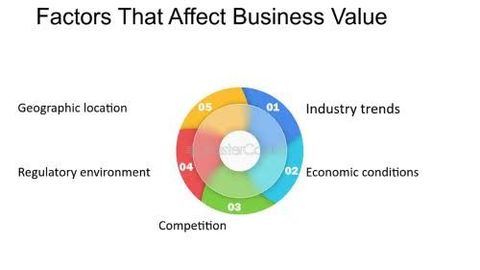
Business and Industry Conditions
Credit evaluation can also consider the business's industry, market position, operating history, competitive environment, and broader economic conditions.
The SBA identifies company conditions such as market potential, industry positioning, competitiveness, and experience as factors that can affect business-credit decisions.
Financial Records for Business Credit
Accurate financial records are important because they provide evidence supporting information presented in a credit application.
A business should maintain organized records covering:
| Record | What It Helps Show |
|---|---|
| Profit & Loss Statement | Revenue, expenses, and operating performance |
| Balance Sheet | Assets, liabilities, and equity |
| Cash-Flow Statement | Cash inflows and outflows |
| Bank Statements | Banking activity and available liquidity |
| Tax Returns | Reported business income and tax information |
| Debt Schedule | Existing borrowing and repayment obligations |
| Accounts Receivable | Expected customer collections |
| Accounts Payable | Outstanding business obligations |
| Financial Projections | Expected future performance |
The SBA recommends including historical financial statements and forward-looking projections when preparing certain funding requests.
Monitoring a Business Credit Report
Business credit reports can change as new payment information, balances, accounts, public records, and other data are reported.
Monitoring can help identify:
Incorrect company information
Outdated records
Unrecognized accounts
Incorrect payment history
Unexpected public filings
Changes in reported balances
Potential identity-theft indicators
The SBA recommends monitoring business credit reports and reviewing reported information for accuracy.
Business credit information may be available through commercial reporting agencies such as Experian, Equifax, and Dun & Bradstreet, although the information and scoring methodologies can differ among providers.
Practical Business Credit-Building Approach
A business can create a structured credit-management process.
1. Establish accurate business information
Ensure the legal business name, address, registration information, ownership information, and other company details are consistent across relevant records.
2. Separate business and personal finances
Maintain appropriate business banking and accounting records and avoid unnecessary mixing of personal and business transactions.
3. Monitor payment obligations
Track invoices, credit accounts, financing payments, and other obligations so that payments are made according to applicable terms.
4. Work with reporting counterparties
Where appropriate, understand whether lenders or suppliers report payment activity to business credit reporting agencies.
5. Review credit reports
Periodically review business credit information and investigate inaccurate or unfamiliar entries.
6. Maintain financial records
Keep financial statements, bank records, tax documents, debt schedules, and supporting documentation organized.
7. Plan borrowing carefully
Before applying for financing, understand how the proposed obligation fits into projected cash flow and existing debt.
Preparing for a Business Credit Application
Before submitting an application, a company can prepare a basic financial package.
Consider organizing:
Business registration information
Tax identification information
Ownership details
Business credit reports
Owner credit information where relevant
Recent financial statements
Bank statements
Tax returns
Debt schedules
Accounts receivable information
Accounts payable information
Business plan
Financing purpose
Financial projections
Collateral information if applicable
The SBA recommends understanding the amount needed, intended use of funds, credit history, financial projections, collateral, and relevant business experience when preparing for lending discussions.
Credit Utilization and Debt Management
Businesses should evaluate existing obligations alongside new financing.
Useful questions include:
How much debt is currently outstanding?
What are the existing repayment schedules?
How much recurring cash flow is available?
What happens if revenue declines?
Will new borrowing create overlapping payment obligations?
Is collateral already pledged elsewhere?
Are there financial covenants or other contractual requirements?
The objective is not simply to obtain additional credit, but to understand whether the business can responsibly manage the resulting obligations.
Business Credit and Supplier Relationships
Business credit can also matter outside traditional bank financing.
Suppliers and commercial counterparties may use business credit information when determining whether to extend credit and what payment terms to provide. SBA guidance notes that business credit reports can influence supplier credit decisions as well as financing decisions.
Maintaining accurate commercial records and consistent payment practices can therefore support broader financial planning.
Recent Developments in Business Credit
Business credit evaluation is increasingly supported by digital data and automated underwriting.
Developments include:
Greater use of automated credit analysis
Digital financial-document submission
Expanded business-data aggregation
Faster financial-data verification
Increased use of cash-flow information
Automated risk scoring
Digital lender application workflows
Greater integration between accounting and financial systems
Automation can make credit decisions faster, but businesses should still review the accuracy of the information being submitted and understand the terms of any financing arrangement.
Laws, Policies, and Compliance Considerations
Business-credit activities can involve financial, consumer-protection, privacy, tax, lending, and commercial regulations depending on the transaction and jurisdiction.
Organizations should consider:
Applicable lending requirements
Business-credit reporting rules
Data-protection obligations
Contractual financing terms
Record-retention requirements
Tax documentation
Collateral and lien documentation
Personal-guarantee provisions
State-specific requirements
Requirements differ depending on the type of financing, lender, business structure, and location. Businesses should review current requirements before entering into significant financing arrangements.
Business Credit Planning Checklist
Before applying for or expanding business credit, consider:
Confirm business information is accurate
Review business credit reports
Review relevant personal credit information
Organize recent financial statements
Review bank activity
Calculate existing debt obligations
Assess available cash flow
Document the intended financing purpose
Prepare financial projections
Review collateral requirements
Identify potential guarantees
Check supplier and lender payment history
Review important contracts
Compare financing terms
Maintain ongoing credit monitoring
Tools and Resources
Useful resources for business-credit planning include:
U.S. Small Business Administration: Business planning, credit, financing, and lender resources.
Business credit reporting agencies: Business credit reports and commercial credit information.
Accounting systems: Financial statements, accounts receivable, accounts payable, and cash-flow records.
Banking platforms: Business transaction and liquidity information.
Financial forecasting tools: Revenue, expense, cash-flow, and financing projections.
Document-management systems: Organized financial and lending documentation.
Professional accounting resources: Guidance for maintaining accurate financial records.
Frequently Asked Questions
What is business credit?
Business credit is a company's commercial credit profile and history. It can include reported payment activity, business information, public records, accounts, and other data used to evaluate commercial creditworthiness.
How can a business build credit?
Businesses can establish appropriate business records, maintain separate financial accounts where applicable, manage commercial obligations responsibly, work with reporting counterparties, and monitor business credit reports for accuracy.
Do lenders check personal credit for business financing?
They may. Personal credit can be considered, particularly when a business has limited commercial credit history or when the financing structure involves an owner or guarantor.
What financial records do lenders commonly request?
Depending on the lender and financing arrangement, lenders may request financial statements, bank statements, tax information, debt details, business plans, and financial projections.
Does business credit guarantee financing approval?
No. A strong business credit profile is only one part of a credit decision. Lenders may also consider cash flow, financial condition, collateral, guarantees, industry factors, and other underwriting criteria.
Conclusion
Business credit is one component of a company's broader financial profile. A practical approach combines accurate business information, responsible payment management, organized financial records, credit-report monitoring, cash-flow planning, and careful evaluation of financing obligations.
Because lenders use different underwriting methods, there is no single business-credit score or profile that guarantees a particular financing result. Businesses should evaluate their financial position and the full terms of any proposed financing before making significant borrowing decisions.

Related Post...