Conveyor Sorting Systems: Types, Benefits, Applications, and Working Principles
Conveyor sorting systems are essential components of modern manufacturing, warehousing, logistics, and distribution operations.
These automated systems transport products along conveyor lines and separate them according to specific characteristics, such as size, weight, shape, barcode, destination, or product category.
As industries handle increasing product volumes and demand faster processing, manual sorting can become time-consuming and expensive. Conveyor sorting systems help businesses automate repetitive tasks, improve sorting accuracy, and maintain continuous material flow.
From e-commerce fulfillment centers to food processing facilities and manufacturing plants, automated sorting technology supports efficient operations, reduces handling errors, and improves overall productivity.
What Are Conveyor Sorting Systems?
Conveyor sorting systems are automated material-handling solutions designed to transport products and direct them toward designated destinations. They combine conveyor equipment, sensors, scanners, control systems, and mechanical sorting mechanisms to organize products efficiently.
These systems can handle different materials, including packages, cartons, parcels, components, containers, and industrial goods.
Depending on operational requirements, conveyor sorting systems can classify products based on:
Product dimensions and shape
Weight and volume
Barcode or QR code information
RFID identification
Color and visual characteristics
Product type or category
Shipping destination
Manufacturing specifications
The primary objective is to move products through a facility efficiently while ensuring they reach the correct processing station, storage area, or dispatch location.
How Do Conveyor Sorting Systems Work?
Automated conveyor sorting systems operate through a coordinated process involving product movement, identification, classification, and diversion.
1. Product Feeding
Products are placed onto the conveyor through manual loading stations, automated feeding equipment, or upstream production lines. The conveyor transports each item toward the identification and sorting area.
2. Product Identification
Sensors and scanning equipment collect information about each product. Depending on the system, identification technologies may include barcode scanners, RFID readers, dimensioning sensors, weighing equipment, and machine vision cameras.
3. Data Processing
A programmable logic controller (PLC) or warehouse control system processes the collected information. The system determines the appropriate sorting destination based on predefined instructions, product specifications, or order information.
4. Automatic Sorting
Once the destination is identified, the sorting mechanism directs the product toward the correct conveyor lane, chute, container, or processing station.
Sorting mechanisms may use pushers, diverters, rollers, sliding shoes, or cross-belt carriers.
5. Collection and Dispatch
After sorting, products move toward designated collection points. They may then be packed, stored, assembled, or prepared for shipment.
This automated process helps maintain consistent material flow and reduces repeated manual handling.
Types of Conveyor Sorting Systems
Different conveyor sorting technologies are designed for specific product types, operating speeds, and facility layouts.
1. Cross-Belt Sorters
Cross-belt sorters use individual conveyor belts mounted on moving carriers. Each carrier transports a product and transfers it sideways onto a designated discharge point.
These systems are widely used in e-commerce warehouses, parcel distribution centers, and large fulfillment facilities.
Key benefits:
High sorting capacity
Accurate product diversion
Suitable for different package sizes
Supports multiple discharge destinations
Efficient handling of continuous product flows
2. Sliding Shoe Sorters
Sliding shoe sorters use moving shoes that push products sideways from the main conveyor onto designated takeaway lanes.
They are commonly used in distribution centers and manufacturing facilities where reliable, high-volume sorting is required.
Key benefits:
Controlled product movement
Suitable for cartons and packages
Efficient handling of continuous product flows
Multiple sorting destinations
Consistent sorting performance
3. Pop-Up Wheel Sorters
Pop-up wheel sorters use powered or angled wheels that rise above the conveyor surface to redirect products toward different lanes.
They are suitable for sorting cartons, boxes, and packages in automated material-handling facilities.
Key benefits:
Compact design
Flexible sorting configurations
Efficient package diversion
Integration with existing conveyor lines
Suitable for different product dimensions
4. Tilt-Tray Sorters
Tilt-tray sorters use carriers with trays that tilt to discharge products into designated chutes or collection areas.
They are commonly used for parcels, apparel, small packages, and products requiring controlled handling.
Key benefits:
Accurate destination sorting
Suitable for a wide range of small items
High-speed processing capabilities
Flexible discharge arrangements
Organized product distribution
5. Belt Sorting Systems
Belt sorting systems use conveyor belts combined with diversion mechanisms to separate products according to predefined requirements.
They are commonly used in manufacturing, packaging, and distribution operations.
Key benefits:
Continuous product movement
Adaptable conveyor configurations
Suitable for different product categories
Integration with automated inspection systems
Flexible operational design
6. Roller Conveyor Sorting Systems
Roller conveyor sorting systems use powered or gravity-driven rollers to move products through sorting stations. Additional mechanisms redirect products into different lanes.
They are particularly useful for cartons, containers, pallets, and other products with suitable contact surfaces.
Key benefits:
Durable material-handling design
Suitable for heavy packages
Modular installation options
Easy integration with warehouse conveyor networks
Reduced manual material movement
Key Components of Conveyor Sorting Systems
A conveyor sorting system consists of several interconnected components that work together to ensure accurate and continuous operation.
Conveyor Belts and Rollers
Conveyor belts and rollers transport products through different stages of the sorting process. Their design depends on product weight, dimensions, surface characteristics, and operating conditions.
Sensors and Scanners
Sensors detect product presence, position, dimensions, and movement. Barcode scanners and RFID readers identify products and provide information required for sorting decisions.
Sorting Mechanisms
Sorting mechanisms physically redirect products toward their assigned destinations. Common examples include pushers, diverters, sliding shoes, pop-up wheels, and tilting trays.
Control Systems
PLCs and industrial controllers coordinate conveyor movement, sensor signals, sorting operations, and equipment safety functions.
Software Integration
Warehouse management systems (WMS), warehouse control systems (WCS), and manufacturing execution systems (MES) can exchange information with conveyor sorting equipment to coordinate product flow and operational requirements.
Safety Equipment
Emergency stop switches, protective guards, safety sensors, and access controls help protect operators and equipment during operation.
Benefits of Automated Conveyor Sorting Systems
Businesses invest in automated sorting technology to improve productivity and create more organized material-handling operations.
1. Increased Sorting Productivity
Automated conveyor systems can process products continuously with less dependence on manual sorting. This helps facilities manage larger product volumes and maintain consistent workflows.
2. Improved Sorting Accuracy
Barcode scanning, sensors, and automated control systems help direct products to the correct destinations. This can reduce sorting mistakes and shipment-related errors.
3. Reduced Labor Requirements
Automation reduces repetitive manual sorting tasks. Employees can focus on supervision, quality control, maintenance, and other value-added activities.
4. Better Space Utilization
Conveyor sorting systems can be designed around available facility layouts. Multi-level conveyors and compact sorting equipment can help businesses use warehouse space more effectively.
5. Faster Order Fulfillment
Automated product identification and sorting can reduce processing delays and help warehouses prepare orders more efficiently.
6. Improved Operational Consistency
Automated sorting follows predefined operating instructions, supporting consistent material flow across shifts and production schedules.
7. Scalable Operations
Modular conveyor systems can often be expanded or reconfigured as product volumes and business requirements change.
Industrial Applications of Conveyor Sorting Systems
Conveyor sorting equipment is used across industries that require organized product movement and classification.
E-Commerce and Warehousing
E-commerce fulfillment centers use conveyor sorting systems to organize packages according to order numbers, delivery routes, shipping destinations, and distribution requirements.
Automated sorting helps warehouses process large order volumes while improving package handling and dispatch efficiency.
Logistics and Parcel Distribution
Courier companies and parcel hubs use automated sorters to process shipments and direct them toward appropriate delivery networks. These systems help manage high-volume parcel movement and improve distribution accuracy.
Food Processing
Food manufacturers use sorting conveyors to separate products according to size, weight, color, and quality characteristics. Food-grade equipment and suitable hygiene procedures are important for these applications.
Pharmaceutical Manufacturing
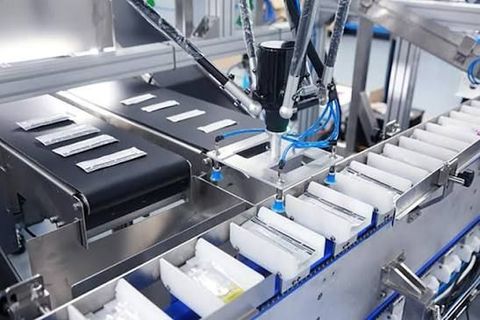
Pharmaceutical facilities may use conveyor sorting systems to handle packaged medicines, cartons, and other products. Systems must be designed to meet relevant hygiene, traceability, and regulatory requirements.
Automotive Manufacturing
Automotive plants use automated conveyors to move and sort components, assemblies, and production materials between workstations.
Airport Baggage Handling
Airports use conveyor networks and automated sorting technologies to direct baggage toward the correct aircraft, handling area, or collection point.
Retail and Distribution Centers
Retail distribution centers use sorting equipment to organize products for different stores, delivery locations, and customer orders. This supports inventory distribution and efficient replenishment operations.
Factors to Consider When Choosing a Conveyor Sorting System
Selecting the right conveyor sorting equipment requires an understanding of product characteristics, operating conditions, and facility requirements.
Product Size and Weight
Evaluate the dimensions, weight, shape, and surface properties of the products being handled. The sorting mechanism must be compatible with the product range.
Required Sorting Capacity
Determine the number of products that must be processed per hour. System capacity should account for peak operating periods and expected business growth.
Sorting Accuracy
Consider the required accuracy level and the identification technology needed. Barcode scanning, RFID, sensors, and machine vision can support different sorting applications.
Facility Layout
Review available floor space, conveyor routes, ceiling height, loading areas, and discharge locations before selecting a system.
Integration Capabilities
The equipment should integrate with existing conveyors, scanners, warehouse software, production systems, and other material-handling equipment where required.
Maintenance and Reliability
Evaluate equipment durability, spare-part availability, maintenance requirements, and technical support. Regular inspection and preventive maintenance help reduce unexpected downtime.
Total Cost of Ownership
Compare equipment costs, installation, energy consumption, maintenance, software, training, and expected operating life rather than focusing only on the initial purchase price.
Maintenance of Conveyor Sorting Systems
Regular maintenance is important for ensuring safe and reliable sorting operations. Poor maintenance can cause conveyor breakdowns, inaccurate sorting, production delays, and unnecessary operating expenses.
Common maintenance activities include:
Inspecting conveyor belts for wear, damage, and alignment issues.
Checking rollers, bearings, and drive components.
Cleaning sensors, scanners, and identification equipment.
Testing sorting mechanisms and diversion accuracy.
Inspecting electrical connections and control panels.
Checking emergency stops and safety devices.
Lubricating components according to manufacturer recommendations.
Monitoring system performance and identifying recurring faults.
Preventive maintenance schedules should reflect equipment design, operating hours, product conditions, and manufacturer guidelines.
Future Trends in Conveyor Sorting Technology
The conveyor sorting industry is evolving as businesses adopt advanced automation and intelligent material-handling technologies.
Artificial Intelligence and Machine Vision
AI-powered vision systems can help identify products, detect defects, and support more advanced sorting decisions. These technologies can improve product classification in applications involving different shapes, sizes, and visual characteristics.
Robotics Integration
Robotic picking and handling systems can work alongside conveyor networks to improve warehouse automation. This combination supports more coordinated material movement and product handling.
IoT-Based Monitoring
Connected sensors can provide information about equipment condition, operating performance, and maintenance requirements. This helps operators monitor system performance and identify potential problems.
Energy-Efficient Equipment
Modern conveyor designs increasingly focus on reducing energy consumption through efficient motors, optimized drive systems, and intelligent controls.
Smart Warehouse Integration
Advanced software platforms can coordinate conveyor sorting with inventory management, order processing, and transportation systems. Better integration supports improved operational visibility.
Flexible Modular Systems
Modular conveyor configurations can help businesses adapt sorting operations to changing product volumes and facility requirements. Companies can expand or modify systems as their operations develop.
Conclusion
Conveyor sorting systems are an important part of modern industrial automation and material handling. They help businesses transport, identify, classify, and distribute products with improved speed and consistency.
From cross-belt and sliding shoe sorters to roller conveyors and pop-up wheel systems, different technologies support different operational requirements. Selecting the right solution involves evaluating product characteristics, sorting capacity, facility layout, integration needs, maintenance, and total operating costs.

Related Post...
Inspection Machines: Types, Applications, Benefits, and Industrial Uses
Updated: November 02, 2026
Read More
Discover China’s Top Electronics Manufacturers Shaping Global Tech
Updated: November 02, 2026
Read More