Conveyor Belt Systems Guide: Basics, Types, and Industrial Applications
Conveyor belt systems are mechanical setups designed to move materials, products, or components from one location to another in a continuous and controlled manner. They exist because modern industries require efficient material handling methods that reduce manual effort and support consistent workflow. From simple item transfer to complex production lines, conveyor belt systems form the backbone of industrial movement.
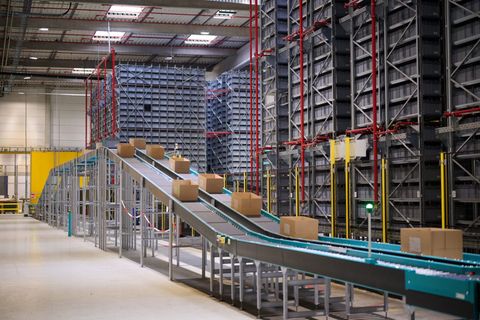
At a basic level, a conveyor belt system consists of a belt looped around pulleys and driven by motors to transport goods across a defined path. Over time, these systems have evolved to handle diverse materials, including bulk goods, packaged items, and fragile components. Their development is closely linked to industrial growth, where speed, accuracy, and reliability are critical.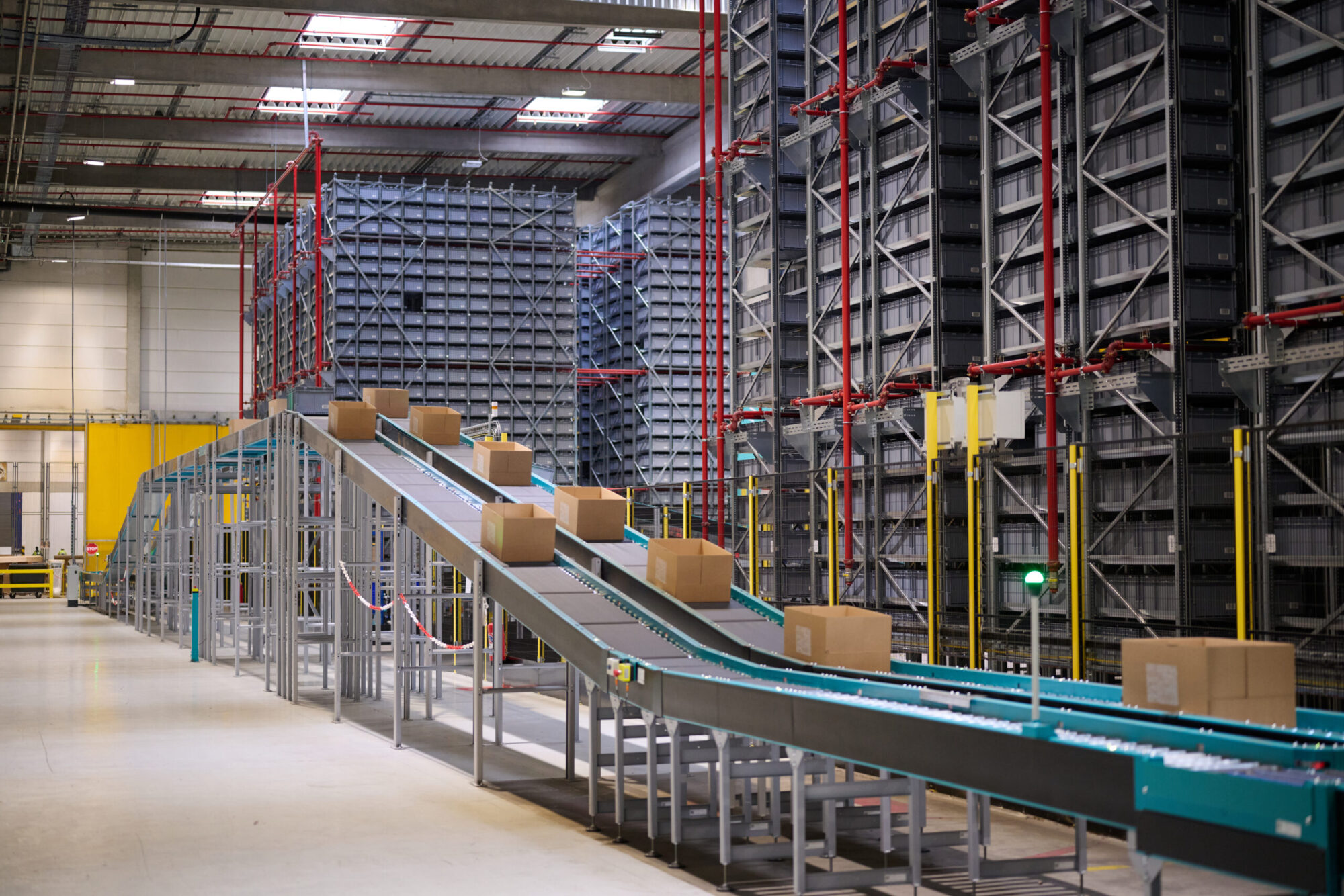
Conveyor belt systems are not limited to one sector. They are used in manufacturing, logistics, mining, food processing, packaging, airports, and warehouses, making them one of the most widely adopted material handling solutions.
Importance: Why Conveyor Belt Systems Matter Across Industries
Conveyor belt systems play a significant role in modern industrial operations because they directly influence efficiency, safety, and productivity. They affect multiple stakeholders, including operators, engineers, facility planners, and process managers.
Their importance can be understood through the following aspects:
-
Operational efficiency: Continuous material movement reduces delays and manual handling.
-
Process consistency: Uniform transport speed supports stable production flow.
-
Workplace safety: Reduced manual lifting lowers the risk of physical strain and accidents.
-
Scalability: Conveyor systems can be extended or modified as operations grow.
-
Process integration: They connect different stages of production and distribution seamlessly.
Industries with high-volume movement requirements rely heavily on conveyor belt systems to maintain predictable operations and minimize disruptions. Without these systems, large-scale industrial workflows would become slower and more labor-intensive.
Recent Updates: Developments Shaping Conveyor Belt Systems
Recent developments in conveyor belt systems focus on efficiency, adaptability, and smarter monitoring rather than fundamental design changes. These updates align with broader trends in automation and industrial optimization.
Key developments observed in recent periods include:
-
Energy-efficient drive systems: Improved motors and controls help reduce power usage during continuous operation.
-
Modular conveyor designs: Sections can be reconfigured to suit changing layouts and production needs.
-
Advanced belt materials: Enhanced durability and resistance support demanding environments.
-
Integrated monitoring systems: Sensors and digital interfaces help track performance and detect irregularities.
-
Improved ergonomic considerations: Designs increasingly account for operator interaction and safety.
These updates make conveyor belt systems more flexible and reliable in dynamic industrial environments.
Laws or Policies: Regulatory Factors Affecting Conveyor Belt Systems
Conveyor belt systems operate within regulatory frameworks related to workplace safety, equipment operation, and environmental responsibility. While regulations vary by region, certain policy areas commonly influence their use.
Typical regulatory considerations include:
-
Industrial safety standards: Guidelines covering guarding, emergency stops, and safe operation.
-
Environmental regulations: Rules addressing noise levels, emissions, and energy efficiency.
-
Sector-specific requirements: Additional standards for industries such as food processing or mining.
-
Equipment compliance frameworks: Requirements ensuring machinery meets defined safety and performance benchmarks.
Understanding these regulations helps organizations deploy conveyor belt systems responsibly and maintain compliance with applicable rules.
Tools and Resources: References Used to Understand Conveyor Belt Systems
Various tools and reference resources support the planning, evaluation, and optimization of conveyor belt systems. These resources help users understand system behavior and suitability for specific applications.
Commonly used tools and resources include:
-
Conveyor design calculators: Used to estimate belt speed, load capacity, and power requirements.
-
Material handling guides: References describing material flow characteristics and handling methods.
-
Layout planning templates: Visual aids for designing conveyor paths within facilities.
-
Maintenance reference frameworks: Guides outlining inspection routines and performance checks.
-
Technical standards documentation: References detailing accepted practices for conveyor systems.
These tools support informed decision-making throughout the lifecycle of a conveyor belt system.
Common Types of Conveyor Belt Systems and Their Uses
Conveyor belt systems are available in multiple configurations, each designed to support specific material handling needs.
| Conveyor Type | Typical Application | Key Characteristic |
|---|---|---|
| Flat belt conveyors | General material transport | Simple, versatile design |
| Roller conveyors | Packaged goods movement | Reduced friction handling |
| Modular belt conveyors | Flexible layouts | Interlocking belt segments |
| Incline conveyors | Vertical or angled movement | Space-efficient elevation |
| Bulk material conveyors | Heavy-duty industries | High load capacity |
Selecting the appropriate type depends on factors such as material properties, required speed, and operating environment.
Industrial Applications: Where Conveyor Belt Systems Are Commonly Used
Conveyor belt systems support a wide range of industrial applications due to their adaptability and efficiency.
Common application areas include:
-
Manufacturing plants: Transporting components between production stages.
-
Warehousing and logistics: Moving goods for sorting and distribution.
-
Mining and minerals: Handling bulk materials over long distances.
-
Food and packaging industries: Supporting consistent and hygienic product flow.
-
Airports and infrastructure: Managing baggage and parcel movement.
These applications highlight the versatility of conveyor belt systems across different operational contexts.
FAQs
What is the primary function of conveyor belt systems?
Conveyor belt systems are used to move materials or products efficiently from one point to another within an operation.
How do conveyor belt systems improve efficiency?
They enable continuous material flow, reduce manual handling, and support consistent process timing.
Are conveyor belt systems suitable for different industries?
Yes. They are used across manufacturing, logistics, mining, food processing, and infrastructure environments.
What factors influence conveyor belt system design?
Material type, load weight, distance, speed requirements, and environmental conditions all influence design.
Why is maintenance important for conveyor belt systems?
Regular inspection and upkeep help ensure reliable operation and reduce unexpected downtime.
Conclusion: Key Takeaways on Conveyor Belt Systems
Conveyor belt systems are essential components of modern industrial operations, supporting efficient, safe, and scalable material handling. By enabling continuous movement and process integration, they help industries maintain productivity and operational stability. Ongoing improvements in design, materials, and monitoring continue to enhance their relevance across sectors. Understanding the basics, types, and applications of conveyor belt systems provides valuable insight into how these systems support industrial workflows.

You may also like...
Pressure Sensors vs Pressure Transmitters: Learn Basics and Real Use Cases
Last Update: April 02, 2026
Read
Overhead Line Insulators Insights: Key Facts Every Electrical Engineer Should Know
Last Update: March 26, 2026
Read
Car Rental Service Guide: Overview of Cars, Pickup Steps, and Key Facts
Last Update: March 27, 2026
Read