Chemical Manufacturing Resources: A Complete Guide to Equipment, Processes, and Industry Standards
Chemical manufacturing involves transforming raw materials into chemicals and chemical-based products through controlled physical and chemical processes.
Understanding chemical manufacturing resources helps readers learn about industrial equipment, production methods, quality management, workplace safety, and environmental requirements.
The industry includes a wide range of activities, from producing basic industrial chemicals to manufacturing specialty chemicals, polymers, fertilizers, coatings, and ingredients used in other industries. This guide explains the main equipment, manufacturing processes, recent developments, applicable regulations, and technical resources used across chemical production.
Context – Understanding Chemical Manufacturing
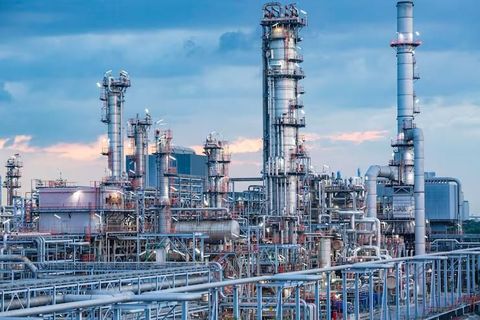
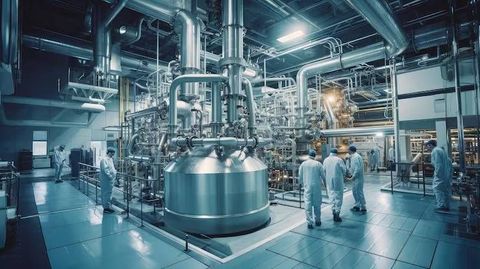
Chemical manufacturing is the industrial production of substances through chemical reactions, physical separation, mixing, purification, and other processing operations. Facilities may operate continuously, process materials in batches, or combine both methods according to the product and production requirements.
The manufacturing process generally begins with selecting and preparing raw materials. These materials pass through suitable processing equipment, undergo chemical or physical transformations, and are then separated, purified, tested, and prepared for storage or further processing.
Chemical manufacturing resources include equipment specifications, operating procedures, technical documentation, process diagrams, laboratory methods, safety data sheets, and engineering standards. These resources help operators and engineers understand how materials move through a plant and how process conditions are controlled.
Common equipment and their purposes are summarized below.
| Equipment | Main function | Typical application |
|---|---|---|
| Chemical reactors | Control chemical reactions | Polymer and specialty chemical production |
| Industrial mixers | Combine materials uniformly | Liquid formulations and chemical blends |
| Heat exchangers | Transfer heat between process streams | Heating, cooling, and temperature control |
| Distillation columns | Separate components using volatility differences | Solvent and chemical purification |
| Pumps and compressors | Move liquids and gases | Process circulation and material transfer |
| Filtration systems | Separate suspended solids from fluids | Product clarification and purification |
| Storage tanks | Hold raw materials and finished products | Intermediate and final material storage |
| Process control systems | Monitor and regulate operations | Temperature, pressure, flow, and level control |
Equipment selection depends on chemical properties, operating temperature, pressure, corrosion risks, throughput, and the physical characteristics of the materials being processed.
Importance – Why Chemical Manufacturing Resources Matter
Chemical manufacturing resources are important because industrial processes often involve hazardous substances, elevated temperatures, pressure, and reactions that require careful control. Accurate technical information helps personnel understand operating limits, identify hazards, and maintain consistent production conditions.
Process documentation also supports quality management. Variations in temperature, mixing speed, pressure, or raw material composition can affect the properties of a finished chemical product. Monitoring these parameters helps manufacturers investigate deviations and maintain defined specifications.
Several groups rely on chemical manufacturing information:
Process engineers use technical calculations and process diagrams to design and evaluate production systems.
Plant operators follow operating procedures and monitor process conditions.
Laboratory personnel test raw materials, intermediate products, and finished chemicals.
Maintenance teams use equipment manuals and inspection records to assess mechanical integrity.
Environmental and safety teams evaluate emissions, waste, chemical exposure, and emergency preparedness.
Manufacturing resources also support energy management and environmental planning. Heat recovery, solvent recovery, improved separation methods, and optimized process control may help reduce energy consumption or material losses when appropriate for the process.
However, improvements must be evaluated against safety, product quality, environmental impacts, and operational requirements rather than production output alone.
Recent Updates – Technology and Industry Developments
Chemical manufacturing continues to develop through digital monitoring, automation, process simulation, improved materials, and efforts to reduce environmental impacts.
Digital process control allows facilities to collect information from sensors measuring temperature, pressure, flow, and other operating conditions. Data analysis can help identify abnormal patterns, support maintenance planning, and improve understanding of process performance.
Artificial intelligence and machine learning are also being explored for applications such as predictive maintenance, process optimization, anomaly detection, and laboratory data analysis. These tools require reliable data and appropriate validation, especially where incorrect recommendations could affect safety or product quality.
Another important development is the movement toward more resource-efficient manufacturing. Depending on the process, manufacturers may investigate lower-energy separation methods, alternative feedstocks, improved catalyst performance, solvent recovery, and reduced waste generation.
Digital twins and process simulation tools can represent industrial equipment or entire production systems. Engineers may use these models to examine operating scenarios before implementing changes in a physical facility. Model results must still be checked against actual equipment behavior and reliable engineering data.
Key areas of development include:
Automation and real-time process monitoring.
Improved chemical inventory and traceability systems.
Energy efficiency and heat integration.
Process safety analysis and equipment condition monitoring.
Alternative feedstocks and lower-emission production methods.
The relevance of each development depends on the chemicals produced, plant design, technical maturity, and applicable regulations.
Laws or Policies – Chemical Manufacturing Standards
Chemical manufacturing is subject to different legal and technical requirements depending on the country, chemical category, facility type, and intended application. Regulations may cover workplace safety, chemical classification, industrial emissions, hazardous waste, transportation, and accident prevention.
In the United States, the Occupational Safety and Health Administration (OSHA) establishes workplace safety requirements. Its Process Safety Management standard, 29 CFR 1910.119, applies to specified processes involving certain highly hazardous chemicals when the relevant thresholds and applicability conditions are met.
The US Environmental Protection Agency administers environmental regulations covering areas such as air emissions, hazardous waste, and chemical risk management. Applicable requirements depend on the facility, process, and substances involved.
Internationally, the Globally Harmonized System of Classification and Labelling of Chemicals (GHS), developed under the United Nations, provides a framework for classifying chemical hazards and communicating them through labels and safety data sheets. Countries implement GHS through their own legal systems, so requirements are not identical everywhere.
In India, chemical manufacturing may fall under several legal frameworks, including the Environment (Protection) Act, 1986, applicable rules for hazardous chemicals, the Factories Act framework and relevant state provisions, and environmental requirements administered by the appropriate authorities. The exact obligations depend on the facility and the regulations currently in force.
Technical standards may also be relevant. Examples include ISO 9001 for quality management systems, ISO 14001 for environmental management systems, and ISO 45001 for occupational health and safety management systems. These standards are distinct from legislation, and certification does not replace legal compliance.
Manufacturers should review applicable requirements for:
Chemical identification, labeling, and safety data sheets.
Process hazard analysis and emergency planning.
Equipment inspection and pressure-system integrity.
Air emissions, wastewater, and hazardous waste.
Worker training and exposure control.
Documentation, incident reporting, and record retention.
Tools and Resources – Technical Information for Chemical Production
Reliable chemical manufacturing resources help engineers, operators, and students understand processes and evaluate technical requirements.
Useful resource categories include:
Safety data sheets for information about chemical hazards, handling, storage, and emergency measures.
Process flow diagrams and piping and instrumentation diagrams for understanding equipment connections and control arrangements.
Engineering handbooks for calculations involving fluid flow, heat transfer, mass transfer, and reaction engineering.
Laboratory procedures and analytical methods for evaluating chemical composition and product quality.
Equipment manuals and inspection records for understanding operating limits and maintenance requirements.
Environmental monitoring records for reviewing emissions, wastewater, and waste management.
Several established organizations publish relevant information. The National Institute for Occupational Safety and Health provides occupational safety and chemical hazard information. The US Environmental Protection Agency publishes environmental regulations and technical guidance. The United Nations provides GHS documentation, while the International Organization for Standardization publishes information about management-system standards.
Chemical process calculations may include mass balances, energy balances, heat-transfer estimates, and reaction-yield calculations. These require accurate inputs and suitable engineering assumptions. Hazardous processes should be assessed by qualified professionals using validated methods rather than relying on simplified online calculations alone.
A useful documentation checklist includes:
Raw material specifications and chemical identities.
Process flow diagrams and equipment specifications.
Approved operating procedures and control limits.
Safety data sheets and hazard assessments.
Quality testing methods and acceptance criteria.
Maintenance, inspection, and environmental monitoring records.
Keeping these resources current supports traceability and helps teams understand how a facility is intended to operate.
FAQs – Chemical Manufacturing Resources
What are chemical manufacturing resources?
They include equipment documentation, process diagrams, operating procedures, safety data sheets, laboratory methods, engineering standards, and regulatory guidance used in chemical production.
What equipment is commonly used in chemical manufacturing?
Common equipment includes reactors, mixers, heat exchangers, distillation columns, pumps, compressors, filtration systems, storage tanks, and process control systems.
Which standards are relevant to chemical manufacturing?
Relevant standards may include ISO 9001, ISO 14001, ISO 45001, and technical standards for particular equipment or processes. Applicable legal requirements vary by jurisdiction and facility.
How does automation help chemical manufacturing?
Automation monitors process conditions and adjusts controls according to defined operating parameters. It can support consistency and help identify abnormal conditions, but it requires suitable design, maintenance, and oversight.
Why are safety data sheets important?
Safety data sheets communicate information about chemical hazards, protective measures, handling, storage, and emergency response. They help workers understand risks associated with the chemicals used in a facility.
Conclusion – Understanding Chemical Manufacturing
Chemical manufacturing depends on coordinated processes, suitable equipment, reliable technical documentation, and effective safety and quality controls. Understanding these resources helps readers recognize how raw materials are transformed into chemical products and how production systems are monitored.
Technology, process automation, and resource efficiency continue to influence the industry. However, their use must be evaluated alongside equipment limitations, chemical hazards, product specifications, and environmental responsibilities.
A structured approach to technical documentation and regulatory awareness helps manufacturers, engineers, operators, and students develop a clearer understanding of chemical production. Applicable standards and legal obligations should always be checked against the specific process and jurisdiction.

Related Post...

Material Shaping Guide: Understanding Common Techniques, Tools, and Processes
Updated: September 07, 2026
Read More