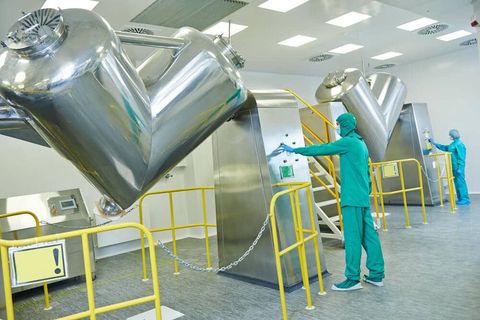
The machines are designed to ensure uniform fill weight, reduce contamination risks, and maintain precise dosing. As medicine demand increases globally, capsule production volumes have grown, making automated filling systems a core part of modern pharma manufacturing. They support the consistent creation of capsules used in healthcare, nutraceuticals, herbal supplements, and research applications.
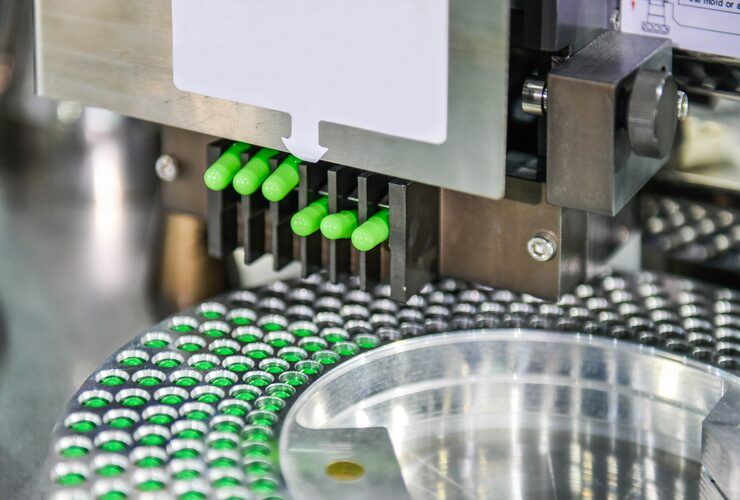
Capsule filling machines vary in size and capacity depending on production needs. Some are suitable for small batch manufacturing, while large facilities use high-speed systems capable of producing thousands of capsules per hour. Their design continues to evolve to meet strict industry standards.
Importance – Why Capsule Filling Machines Matter Today
Capsule filling technology plays a central role in the pharmaceutical industry. It influences medication quality, production efficiency, and compliance with safety requirements.
Here are key reasons why capsule filling machines matter:
1. Accurate and Consistent Dosing
These machines help ensure each capsule contains the correct amount of product. This reduces variability and supports patient safety.
2. Improved Manufacturing Efficiency
Automated machines increase production speed while reducing labor. This allows manufacturers to meet higher demand without compromising quality.
3. Enhanced Hygiene and Contamination Control
Modern machines use stainless steel designs and enclosed systems to prevent contamination. This is important for both safety and regulatory compliance.
4. Versatility Across Formulations
Machines can handle powders, granules, pellets, and micro-tablets, making them useful across pharmaceutical, nutraceutical, and herbal industries.
5. Reduced Material Waste
Precise filling helps lower product loss. This is especially important when dealing with costly active ingredients.
6. Compliance With Global Manufacturing Standards
Capsule filling machines support Good Manufacturing Practices (GMP) by offering traceability, consistent workflows, and proven reliability.
7. Scalability for Different Production Levels
From R&D labs to large factories, capsule filling systems can be customized to meet batch size and speed requirements.
Overall, capsule filling machines solve important challenges related to uniformity, safety, efficiency, and quality assurance.
Recent Updates – Developments and Trends in 2024–2025
The past year has seen meaningful advancements and shifts in capsule filling technology. These updates have influenced how manufacturers operate and how machines are designed.
1. Increased Use of Automation and Digital Monitoring (2024–2025)
Automated systems with sensors and digital interfaces became more common throughout 2024. These systems support real-time monitoring of fill weight, machine speed, and error detection.
2. Rising Demand for HPMC Capsules (Early to Mid-2024)
With increased preference for plant-based capsules, manufacturers adapted machines to work efficiently with HPMC capsule shells.
3. Improvements in Powder Flow Technology (2024)
New filling mechanisms were introduced to better handle cohesive or moisture-sensitive powders, helping maintain accuracy.
4. Integration of Clean-in-Place (CIP) Features (Late 2024)
More machines adopted CIP systems, reducing cleaning time and helping maintain hygiene standards.
5. Growth of Small-Batch and Flexible Manufacturing (Throughout 2024–2025)
Pharmaceutical companies expanded production of personalized medicine and low-volume batches. This increased the demand for modular and easily adjustable capsule fillers.
6. Focus on Energy Efficiency and Reduced Noise
Manufacturers introduced quieter motors and energy-efficient components, supporting better workplace environments.
These trends reflect the industry's shift toward precision, automation, and sustainability.
Laws or Policies – Regulations That Shape Capsule Filling Practices
Pharmaceutical equipment such as capsule filling machines operates under various laws and policies designed to ensure product safety and quality.
Here are key regulatory aspects that influence their use:
Good Manufacturing Practices (GMP)
Capsule filling equipment must meet GMP guidelines, which include:
-
Hygienic construction materials
-
Easy-to-clean surfaces
-
Consistent and validated performance
-
Documentation and record-keeping
GMP ensures that medicines produced on these machines meet required quality standards.
Drug Regulatory Authority Guidelines
Agencies such as:
-
National drug regulators
-
Health ministries
-
Food and drug authorities
set guidelines for capsule production, equipment maintenance, and risk management.
Equipment Certification Standards
Capsule filling machines often require:
-
CE certification
-
ISO quality compliance
-
Electrical and mechanical safety validations
These standards ensure safe operation within pharma environments.
Environmental and Workplace Safety Rules
Factories must also comply with regulations related to:
-
Noise control
-
Air quality
-
Safe material handling
-
Worker protection
Government Programs Supporting Pharma Manufacturing
Some countries offer:
-
Technology upgrade schemes
-
Subsidies for automation
-
Training programs for operators
These initiatives help improve manufacturing capabilities and encourage compliance with global standards.
Regulations help ensure that capsule filling machines function safely and produce high-quality pharmaceutical products.
Tools and Resources – Helpful Solutions for Pharma Manufacturers
A variety of tools, calculators, and digital platforms support the selection, operation, and maintenance of capsule filling machines.
Useful Tools and Resources
| Tool / Resource | Purpose / Benefit |
|---|---|
| Capsule Size Charts | Helps determine appropriate capsule size for specific formulations. |
| Fill Weight Calculators | Estimates target weight and required material volume. |
| Machine Maintenance Logs | Tracks cleaning, lubrication, and part replacement. |
| Pharmaceutical Equipment Portals | Provide specifications, technical documents, and comparison tools. |
| Training Modules for Capsule Filling | Enhance operator skills and reduce production errors. |
| Digital Monitoring Apps | Track machine performance and help detect irregularities. |
| Powder Flow Testing Tools | Assess material suitability before production begins. |
| Regulatory Compliance Guides | Offer guidelines for GMP, equipment validation, and documentation. |
Using these tools helps manufacturers improve efficiency, maintain compliance, and reduce operational risks.
FAQs – Clear Answers to Common Questions
1. What factors affect capsule filling accuracy?
Accuracy depends on powder flow properties, machine calibration, environmental conditions, and proper maintenance. Ensuring consistent material quality helps improve results.
2. Can one machine fill different capsule sizes?
Yes. Many machines allow size changes through adjustable parts or changeover kits. However, setup time varies depending on machine type.
3. How often should capsule filling machines be cleaned?
Cleaning frequency depends on product type and regulatory requirements. Most manufacturers follow a schedule that includes cleaning after every batch and periodic deep cleaning.
4. What materials can be filled in capsules?
Machines can fill powders, granules, pellets, beads, and micro-tablets. Some systems also support liquid formulations using specialized attachments.
5. Are capsule filling machines suitable for small manufacturers?
Yes. Semi-automatic models are commonly used by small and medium-scale manufacturers due to their flexible production capacity.
Final Thoughts
Capsule filling machines are essential tools in the pharmaceutical industry. They support consistent dosing, high efficiency, and compliance with international standards. As technology advances, these machines continue to improve in precision, automation, and flexibility. Understanding their features, regulations, and maintenance practices helps manufacturers produce safe and high-quality capsules. With the right tools and well-trained operators, capsule filling systems can significantly enhance production performance for both small and large-scale facilities.