Wastewater Recycling Explore Smart Water Recovery Methods
Wastewater recycling has become one of the most important strategies for managing long-term water sustainability in rapidly growing urban, industrial, and agricultural environments. As freshwater demand continues increasing across cities and manufacturing sectors, many regions now view water recovery systems as essential infrastructure rather than optional environmental initiatives.
Many people don’t realize how much usable water is lost through outdated disposal practices and inefficient treatment systems. Modern wastewater recycling technologies are increasingly designed not only to reduce environmental pressure but also to improve operational efficiency, industrial resilience, and long-term resource planning.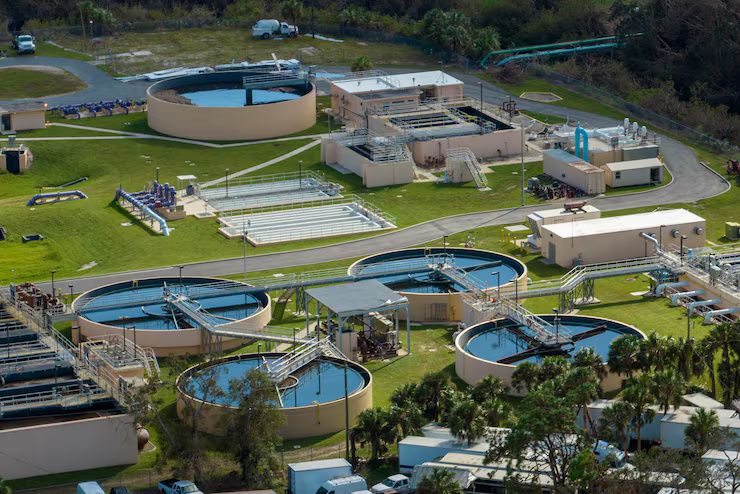
This wastewater recycling guide explores how modern water recovery systems work, compares different treatment approaches, and explains why industries and municipalities increasingly evaluate reuse efficiency, treatment scalability, and infrastructure reliability when planning sustainable water management strategies.
Understanding Modern Wastewater Recycling Systems
Wastewater recycling refers to the process of collecting, treating, and reusing water that would otherwise be discarded after residential, industrial, or commercial use.
This matters because growing populations and industrial expansion continue placing pressure on freshwater supplies worldwide.
From a practical perspective, wastewater treatment systems may involve filtration, biological processing, chemical purification, membrane separation, and advanced monitoring technologies depending on the intended reuse application.
For example, industrial facilities often recycle treated water for cooling operations or equipment cleaning, while municipalities may redirect reclaimed water toward irrigation systems and urban landscaping projects.
The real difference appears when water recovery systems combine treatment efficiency with long-term operational sustainability.
Why Water Recovery Technologies Are Expanding
Water shortages, infrastructure stress, and climate variability are increasing interest in wastewater recycling across multiple industries.
One overlooked factor is economic resilience. Water reuse systems may reduce dependency on unstable freshwater supply conditions, especially in regions facing drought risk or population growth.
For example, manufacturing facilities operating in water-sensitive regions sometimes integrate closed-loop recycling systems to stabilize operational costs and reduce production interruptions.
Many people also underestimate the impact of regulatory pressure. Governments increasingly introduce environmental standards encouraging industries to reduce wastewater discharge and improve resource efficiency.
The real difference appears when organizations treat recycled water as a recoverable asset rather than waste output alone.
Common Wastewater Recycling Approaches
Municipal Water Recycling Systems
Municipal treatment systems focus on processing wastewater from residential and urban infrastructure environments.
These systems often support irrigation, landscaping, and non-drinking water applications across cities and public facilities.
Industrial Water Recovery Systems
Industrial wastewater recycling focuses heavily on operational reuse inside manufacturing environments.
In many cases, this approach tends to work when facilities consume large water volumes for cooling, processing, or cleaning systems.
Membrane Filtration Technologies
Advanced membrane systems use high-precision filtration to remove contaminants and improve water purity levels.
Many people don’t realize that membrane technologies now play a major role in modern wastewater recycling performance improvements.
Decentralized Recycling Systems
Decentralized systems operate closer to the source of wastewater generation rather than relying entirely on centralized infrastructure.
This structure may improve operational flexibility for commercial buildings, industrial campuses, and remote facilities.
Comparing Water Recovery Methods
| Recycling Method | Main Advantage | Best Fit | Trade-Off |
|---|---|---|---|
| Municipal Recycling Systems | Large-scale water reuse | Urban infrastructure | High infrastructure cost |
| Industrial Water Recovery | Operational efficiency | Manufacturing facilities | Technical maintenance needs |
| Membrane Filtration Systems | High purification accuracy | Advanced treatment environments | Energy-intensive operation |
| Decentralized Recycling | Localized flexibility | Commercial complexes | Smaller treatment scale |
This wastewater recycling comparison shows that the best water recovery approach often depends on infrastructure scale, treatment objectives, and long-term operational planning rather than technology complexity alone.
Decision Thinking: Choosing Wastewater Recycling Strategies
Choosing wastewater recycling systems usually depends on treatment capacity, infrastructure investment, environmental regulations, and long-term water demand patterns.
For example, industrial operations may prioritize continuous water reuse efficiency and production stability, while municipalities often focus more heavily on population-scale infrastructure planning.
One overlooked factor is energy consumption. Certain advanced treatment systems provide stronger purification performance but may increase operational energy requirements significantly.
The real difference appears when organizations balance treatment quality, maintenance complexity, and long-term resource savings effectively.
In many cases, decentralized water recovery systems provide operational flexibility, but centralized infrastructure may still offer stronger economies of scale for large urban regions.
Real-World Challenges in Wastewater Recycling
Wastewater recycling systems face both technical and operational challenges during implementation.
Infrastructure upgrades, maintenance costs, treatment consistency, and public perception may all influence adoption rates.
For example, older municipal infrastructure may require extensive modernization before advanced recycling technologies can operate effectively.
Another challenge involves contamination variability. Industrial wastewater streams often contain changing chemical compositions that require adaptive treatment methods.
Many people also underestimate operational monitoring requirements. Water quality standards often demand continuous testing, automated controls, and regulatory reporting systems.
The real difference appears when recycling systems maintain reliable performance under changing environmental and industrial conditions.
Why Industrial Water Reuse Matters for Future Sustainability
Industrial water consumption continues increasing across manufacturing, energy production, and commercial processing environments.
This matters because freshwater competition between industries, agriculture, and residential populations may intensify over time.
For example, semiconductor manufacturing facilities and energy production plants often require highly stable water supplies to maintain operational continuity.
Similarly, commercial construction projects increasingly integrate smart water recovery systems into sustainable building strategies.
The real difference appears when wastewater recycling becomes integrated directly into long-term infrastructure planning rather than functioning only as an environmental compliance measure.
Future Trends in Wastewater Recycling Technology
Wastewater recycling continues evolving through automation, AI-assisted monitoring, and smart treatment optimization systems.
Some treatment facilities now use predictive analytics, real-time contamination tracking, and automated filtration adjustments to improve efficiency. Energy recovery systems are also becoming more integrated into modern treatment infrastructure.
This matters because future water management systems will likely require both environmental sustainability and operational resilience simultaneously.
Advanced wastewater recycling technologies may increasingly support smart cities, industrial automation environments, and climate adaptation strategies across multiple sectors.
FAQ
1. What is wastewater recycling?
Wastewater recycling involves treating and reusing water from residential, industrial, or commercial sources instead of discarding it.
2. Why are industrial water recovery systems important?
Industrial water recovery systems may reduce freshwater dependency and improve operational sustainability in manufacturing environments.
3. How do membrane filtration systems improve wastewater treatment?
Membrane systems remove contaminants through advanced filtration processes that improve water purification accuracy.
4. What affects wastewater recycling performance the most?
Treatment consistency, infrastructure quality, monitoring systems, and maintenance efficiency often influence overall performance.
5. Why are decentralized water recycling systems becoming popular?
Decentralized systems provide localized water recovery flexibility for commercial complexes and industrial facilities.
Conclusion
Wastewater recycling continues becoming a critical part of modern infrastructure planning as industries and cities search for sustainable water management solutions.
From municipal treatment systems to advanced membrane filtration technologies, modern water recovery methods increasingly balance operational efficiency, environmental sustainability, and long-term resource security. Many people don’t realize that wastewater recycling now plays an important role not only in environmental protection but also in industrial resilience and infrastructure stability.
As smart treatment technologies continue evolving, future wastewater recycling systems may become more automated, adaptive, and deeply integrated into global water sustainability strategies.

Related Post...
Industrial Fire Suppression System Inspection: A Guide to Equipment Readiness
Updated: October 02, 2026
Read More
Corporate Unified Virtual PABX Architectures: Explore Modern Call Routing
Updated: October 06, 2026
Read More
AI Vision Systems: Discover Core Technologies Behind Visual Inspection
Updated: October 06, 2026
Read More