VFD drives exist because many industrial and commercial applications do not require motors to run at constant speed all the time. Traditional motor control methods often rely on mechanical throttling or on-off operation, which can lead to energy waste, mechanical stress, and limited control.
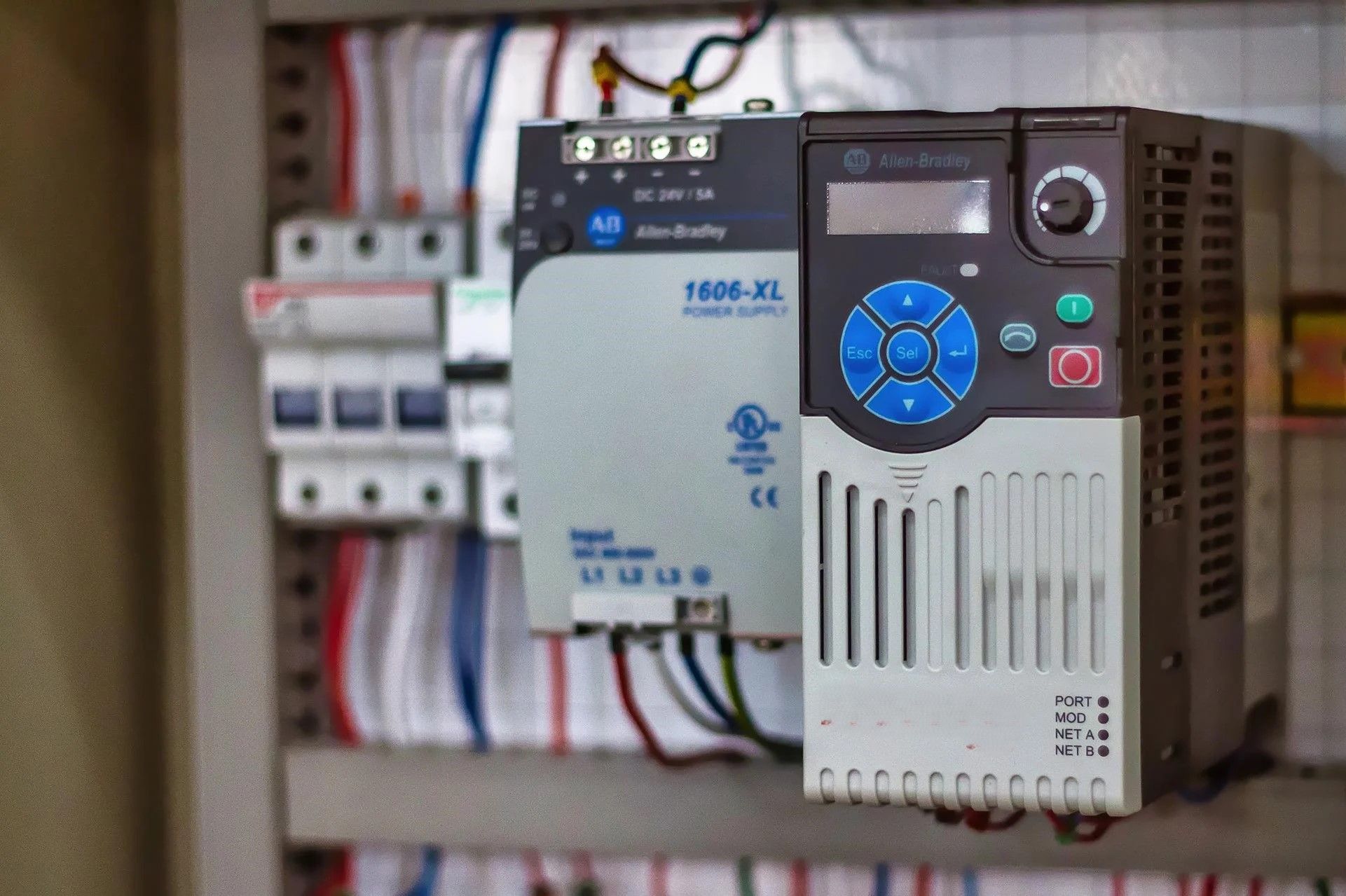
VFD technology was developed to provide more precise motor control, improve efficiency, and reduce wear on equipment. Today, VFD drives are commonly used in applications such as pumps, fans, conveyors, compressors, elevators, and manufacturing machinery.
Understanding VFD drive features helps users see how these devices support smoother motor operation and more efficient use of electrical energy.
Importance
VFD drives are important because electric motors account for a significant portion of electricity consumption in industrial and commercial facilities.
Why this topic matters today
-
Rising energy costs increase the need for efficiency
-
Industries aim to reduce power consumption and emissions
-
Equipment reliability and lifespan are critical
-
Precise process control improves product consistency
By controlling motor speed based on actual demand, VFD drives help address these challenges without changing the motor itself.
Who VFD drives affect
VFD drives are relevant for:
-
Manufacturing plants
-
Commercial buildings
-
Water and wastewater facilities
-
HVAC system operators
-
Maintenance and energy management teams
They are used across small workshops and large industrial operations alike.
Problems VFD drives help solve
| Operational Issue | How VFD Drives Help |
|---|---|
| Excess energy use | Match motor speed to load |
| Mechanical wear | Smooth start and stop |
| Process instability | Precise speed control |
| High maintenance | Reduced stress on components |
| Limited automation | Easy system integration |
These benefits make VFD drives a common choice in modern motor-driven systems.
Recent Updates
VFD drive technology has continued to evolve due to digitalization, energy efficiency goals, and automation trends.
Key developments in the past year
-
2024–2025: Improved energy monitoring features
New VFD models include built-in energy tracking to help users monitor power consumption more accurately. -
2025: Wider adoption of smart communication protocols
VFD drives increasingly support industrial communication standards for better system integration. -
Late 2024: Enhanced safety and protection functions
Updated drives offer improved fault detection and motor protection features. -
Ongoing: Compact and modular designs
Manufacturers are developing smaller VFDs that fit into space-limited control panels.
Technology trend overview
| Area | Recent Trend |
|---|---|
| Energy tracking | Built-in monitoring |
| Connectivity | Digital communication |
| Safety | Advanced protection |
| Design | Compact form factors |
These updates reflect a move toward smarter and more connected motor control systems.
Laws or Policies
VFD drive usage is influenced by electrical safety regulations, energy efficiency standards, and industrial policies. In India, several frameworks are relevant.
Relevant laws and policies in India
-
Energy Conservation Act, 2001
Promotes efficient energy use in industrial and commercial sectors. -
Bureau of Energy Efficiency (BEE) programs
Encourage adoption of energy-efficient equipment and practices. -
Central Electricity Authority (CEA) regulations
Provide guidelines for electrical installations and safety. -
Factories Act and OSH Code
Cover machinery safety and electrical system maintenance.
Regulatory impact overview
| Regulation Area | Relevance to VFD Drives |
|---|---|
| Energy efficiency | Encourages efficient motor control |
| Electrical safety | Installation standards |
| Workplace safety | Equipment maintenance |
| Compliance reporting | Energy audits |
These policies support responsible and efficient use of motor control technologies.
Tools and Resources
Several tools and resources help users understand, select, and manage VFD drives effectively.
Helpful tools and services
-
Energy savings calculators
Estimate potential power reduction with variable speed control -
Motor selection guides
Help match motors and drives correctly -
VFD parameter setup tools
Assist with configuration and commissioning -
Condition monitoring systems
Track motor and drive performance -
Government energy portals
Provide guidance on efficiency programs and audits
Common VFD features and functions
| Feature | Purpose |
|---|---|
| Speed control | Adjust motor RPM |
| Soft start/stop | Reduce mechanical stress |
| Overload protection | Prevent motor damage |
| Fault diagnostics | Identify issues early |
| Communication ports | System integration |
These tools support informed operation rather than replacing professional electrical expertise.
FAQs
What does a VFD drive do?
A VFD drive controls the speed and torque of an electric motor by adjusting the power frequency and voltage supplied to it.
How do VFD drives help save energy?
They allow motors to run only at the speed required for the task, reducing unnecessary power consumption.
Are VFD drives suitable for all motors?
VFD drives are commonly used with AC induction motors, but compatibility depends on motor design and application.
Do VFD drives reduce motor wear?
Yes. Features like soft starting and controlled speed changes reduce mechanical and electrical stress on motors.
Is professional installation required for VFD drives?
Installation and setup are typically performed by qualified technicians to ensure safety and proper configuration.
Final Thoughts
VFD drives play an important role in improving motor control and supporting energy-efficient operations across many industries. By allowing motors to operate at variable speeds, they help reduce energy use, improve process control, and extend equipment lifespan.
While VFD drives are not a solution for every application, their features provide practical benefits in systems where motor speed does not need to remain constant. Understanding these features, along with relevant regulations and best practices, helps users apply VFD technology effectively.
When used responsibly and maintained properly, VFD drives contribute to more efficient, reliable, and adaptable motor-driven systems in modern industrial and commercial environments.