The concept of scroll-based compression has been used in various technologies, but its application in vacuum systems has become more common in recent decades. Dry scroll pump technology was developed to meet the need for cleaner and lower-maintenance vacuum solutions, especially in environments where contamination must be minimized.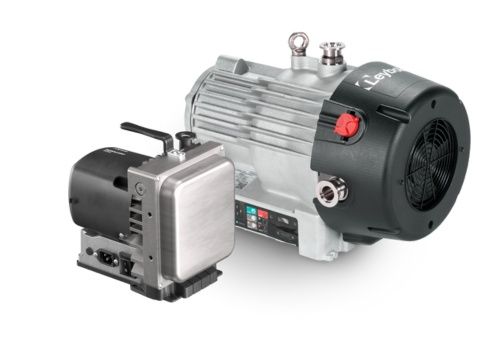
Today, dry scroll pumps are widely used as scroll vacuum pumps in laboratories, manufacturing facilities, and technical environments. Their ability to provide consistent performance without oil exposure makes them suitable for many modern applications.
Importance
Dry scroll pumps are important because they provide a cleaner alternative to conventional vacuum systems. In many environments, the presence of oil can lead to contamination, which may affect sensitive processes or equipment.
Oil-free vacuum pumps are particularly relevant in situations where purity and cleanliness are required. For example, laboratory vacuum pumps are used in research settings where even small impurities can influence results. Similarly, industrial vacuum pumps are used in production processes that require stable and controlled conditions.
The importance of dry vacuum pump technology can be understood through several key factors:
- Clean operation: eliminates the risk of oil contamination
- Reduced maintenance needs: fewer fluid-related checks are required
- Consistent performance: stable vacuum levels across usage
- Environmental consideration: avoids disposal of used oil
These features explain why dry scroll pump applications are increasing across different sectors.
Scroll Pump Working Principle
Understanding the scroll pump working principle helps explain how these systems generate vacuum.
Basic Mechanism
Dry scroll pumps use two spiral-shaped components. One scroll remains fixed, while the other moves in a circular motion without rotating fully. As air enters the pump, it becomes trapped between the scrolls and gradually compressed toward the center.
This process reduces the volume of the trapped air, increasing its pressure and pushing it out of the system. The result is a vacuum created at the inlet.
Key Characteristics
The design of scroll vacuum pumps includes:
- Continuous compression without valves
- Minimal vibration due to smooth motion
- Quiet operation compared to many other pump types
These characteristics contribute to the efficiency and usability of dry vacuum pump technology.
Uses of Dry Scroll Pumps
Dry scroll pump applications span across various fields due to their clean and efficient operation.
Laboratory Applications
Laboratory vacuum pumps are commonly used for:
- Sample preparation and filtration
- Evaporation processes
- Analytical equipment support
These environments benefit from oil-free vacuum pumps because they reduce contamination risks.
Industrial Applications
Industrial vacuum pumps using scroll technology are used in:
- Electronics manufacturing
- Packaging systems
- Material handling processes
Their stable performance supports consistent production conditions.
Medical and Scientific Use
Dry scroll pumps are also used in controlled environments such as:
- Diagnostic equipment
- Research facilities
- Controlled air systems
Their clean operation aligns with strict environmental requirements.
Vacuum Pump Maintenance
Proper vacuum pump maintenance is important for ensuring long-term performance and reliability.
Routine Maintenance Tasks
Maintenance for dry scroll pumps typically includes:
- Inspecting seals and scroll components
- Cleaning internal parts to remove dust or debris
- Checking system connections and airflow paths
Since these are oil-free vacuum pumps, there is no need for oil replacement, which simplifies maintenance routines.
Usage Considerations
Following proper vacuum pump usage tips can help maintain efficiency:
- Avoid exposure to excessive dust or moisture
- Operate within recommended pressure ranges
- Ensure proper ventilation around the pump
These practices help extend the operational life of the equipment.
Comparison of Vacuum Pump Types
| Pump Type | Lubrication Type | Maintenance Needs | Typical Use Case |
|---|---|---|---|
| Dry Scroll Pumps | Oil-free | Low to moderate | Clean environments |
| Rotary Vane Pumps | Oil-based | Regular oil maintenance | General industrial use |
| Diaphragm Pumps | Oil-free | Low | Laboratory applications |
| Liquid Ring Pumps | Water-based | Moderate | Heavy-duty operations |
Recent Updates
Recent developments in dry scroll pump technology focus on improving efficiency, durability, and monitoring capabilities. Many modern systems now include digital controls that allow users to track performance and detect potential issues early.
Noise reduction has also been a key area of improvement, making scroll vacuum pumps more suitable for indoor environments such as laboratories and research facilities.
Another trend is the integration of smart monitoring systems. These systems provide real-time data on performance, helping users manage maintenance schedules more effectively.
Laws or Policies
Dry scroll pumps are subject to general equipment and safety regulations, especially in industrial and laboratory settings.
Safety Standards
- Equipment must meet operational safety guidelines
- Proper installation and usage practices are required
- Electrical and mechanical components must comply with standards
Environmental Regulations
- Oil-free vacuum pumps support compliance with environmental guidelines by reducing waste
- Noise and emissions levels may be regulated in certain areas
Workplace Guidelines
- Operators may need to follow safety procedures when handling equipment
- Proper ventilation and setup are important for safe operation
These regulations ensure that vacuum systems are used responsibly and safely.
Tools and Resources
Several tools and resources can help users understand and manage dry scroll pumps effectively.
Monitoring Tools
Digital monitoring systems allow users to track vacuum levels, temperature, and system performance.
Maintenance Checklists
Structured checklists help ensure that routine vacuum pump maintenance tasks are completed regularly.
Technical Manuals
Manuals provide detailed explanations of scroll pump working principles and operational guidelines.
Training Materials
Educational content helps users understand dry scroll pump applications and proper usage techniques.
These resources support safe and efficient operation across different environments.
FAQs
What are dry scroll pumps and how do they work?
Dry scroll pumps are oil-free vacuum pumps that use spiral-shaped components to compress air and create a vacuum without lubrication inside the compression chamber.
What are common dry scroll pump applications?
Dry scroll pump applications include laboratory work, industrial processes, and scientific environments where clean vacuum conditions are required.
Are oil-free vacuum pumps better for clean environments?
Oil-free vacuum pumps are often used in clean environments because they reduce the risk of contamination compared to oil-based systems.
What maintenance is required for dry scroll pumps?
Vacuum pump maintenance for dry scroll pumps includes inspecting components, cleaning internal parts, and ensuring proper operating conditions.
What is the scroll pump working principle?
The scroll pump working principle involves trapping air between two spiral components and compressing it toward the center to create a vacuum.
Conclusion
Dry scroll pumps are an important part of modern vacuum technology, offering clean and efficient operation without the need for oil. Their design supports consistent performance across laboratory and industrial applications. Understanding the scroll pump working principle and proper maintenance practices helps ensure reliable use. As technology advances, dry vacuum pump systems continue to improve in efficiency and usability.