This technology emerged as a reliable solution for industries that require clean, dry, and low-maintenance vacuum systems such as semiconductor manufacturing, pharmaceuticals, laboratories, food processing, and electronics. With growing concerns over contamination, energy consumption, and operational costs, dry scroll pumps have gained traction for their ability to deliver clean performance without oil-related hazards.
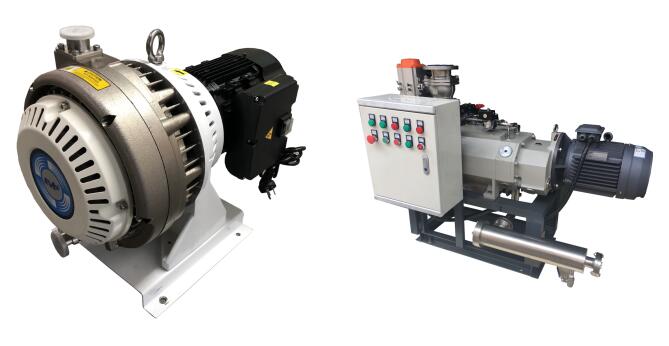
Why Dry Scroll Pumps Matter
Today, dry scroll pumps are widely used across various sectors due to their cleanliness, reliability, and low maintenance. Here’s why they are increasingly relevant:
Industries Benefiting from Dry Scroll Pumps:
Healthcare & Labs – for vacuum filtration, aspiration, or freeze-drying processes that require oil-free operation
Semiconductors – for contamination-free environments during chip manufacturing.
Pharmaceuticals – to meet cleanroom compliance without lubricant traces.
Food & Beverage – for vacuum packing and preservation, where oil contamination is not acceptable.
Research Facilities – to support vacuum-based testing and sample prep work.
Common Problems Solved:
Contamination Risks: Oil-free design ensures no lubricant migration or oil mist.
Downtime & Maintenance: Fewer moving parts and dry operation mean lower maintenance needs.
Regulatory Compliance: Supports industries that must comply with ISO cleanliness standards or FDA hygiene regulations.
Their simplicity in design and operation also makes them suitable for users with limited technical training, increasing their adoption even in small labs and start-ups.
Recent Trends and Developments in Dry Scroll Technology
Key Advancements
Improved Scroll Designs: Manufacturers have enhanced scroll geometries to boost pumping speeds and energy efficiency. For instance, in 2024, Edwards and Pfeiffer introduced models with up to 20% energy savings.
Compact Integration: Newer pumps are smaller, quieter, and more modular, fitting neatly into compact equipment or benchtop units.
Smart Diagnostics: Several 2025 models include built-in diagnostics and IoT compatibility, helping users monitor health, performance, and predict maintenance.
Extended Life Scrolls: Better coatings and materials now allow scrolls to last up to 40% longer than previous generations an essential improvement for continuous-use industries.
Market Demand:
According to a 2024 market report by MarketsandMarkets, the global dry vacuum pump market is projected to reach USD 3.2 billion by 2028, with scroll pumps making up a steadily growing share due to their oil-free operation.
Regulations and Standards Impacting Dry Scroll Pumps
Several industries using dry scroll pumps are regulated by national and international policies. Here are some of the most relevant frameworks:
ISO and Cleanroom Standards:
ISO 14644: Applies to cleanrooms, particularly in pharma and semiconductor industries. Dry scroll pumps help meet air cleanliness requirements.
GMP (Good Manufacturing Practices): Particularly in Europe and the U.S., mandates contamination control—dry scrolls fit naturally into these requirements.
Environmental & Energy Efficiency Policies:
EU Ecodesign Directive (2023 Update): Encourages the use of energy-efficient industrial equipment, including vacuum pumps.
EPA Clean Air Act (U.S.): While not directly regulating vacuum pumps, compliance is easier with oil-free technology due to lower emissions and no oil disposal.
India’s Ecomark Scheme: Supports labeling of energy-efficient and environmentally friendly industrial equipment.
Understanding these regulations can help businesses avoid compliance issues and reduce environmental impact.
Tools, Resources, and Support for Dry Scroll Pump Users
Whether you're a technician, lab assistant, or industrial operator, these tools and resources can help you maximize pump efficiency:
Online Tools:
| Tool/Resource | Purpose | Access |
|---|---|---|
| Vacuum Pump Calculator | Estimate flow rate and pump size needs | Available on OEM websites |
| Maintenance Log Templates (PDF) | Track service intervals and usage stats | Free via lab resource sites |
| Pump Noise Level Chart | Compare dB levels across pump models | Manufacturer support pages |
| IoT Diagnostic Apps (e.g., LeyAssist, AtlasCopco SMARTlink) | Remote monitor performance, error codes | App Stores / OEM Portals |
Key Websites:
Pfeiffer Vacuum (www.pfeiffer-vacuum.com)
Edwards Vacuum (www.edwardsvacuum.com)
Agilent Technologies (www.agilent.com)
LabX – Buy/sell new and used lab equipment
NIST Vacuum Standards Portal – For measurement standards and calibration info
Usage and Maintenance Tips for Dry Scroll Pumps
Keeping your scroll pump in optimal shape requires some basic but essential practices:
Usage Tips:
Avoid Ingesting Solvents or Particulates: Use appropriate filters or traps.
Start-Up Warm-Up: Allow the pump to reach operating temperature for consistent performance.
Monitor Vacuum Levels: Use gauges to ensure it's operating within recommended specs.
Keep in a Ventilated Area: Prevents overheating and improves motor life.
Maintenance Advice:
Inspect Scrolls Periodically: Worn scrolls can reduce performance.
Clean the Cooling Fan: Dust buildup affects efficiency.
Replace Tip Seals: Typically every 10,000–15,000 hours depending on usage.
Check for Vibration or Noise Changes: These can be early signs of internal wear.
Many modern scroll pumps offer predictive maintenance alerts. Following manufacturer-recommended service intervals ensures longer life and fewer disruptions.
Frequently Asked Questions (FAQs)
Q1: How long does a dry scroll pump last?
A: With proper maintenance, most dry scroll pumps last between 5 to 10 years, depending on usage frequency and environmental conditions. Tip seal replacement is often needed every 1–2 years.
Q2: Can dry scroll pumps run continuously?
A: Yes, most are designed for 24/7 operation in industrial or lab environments. However, ensuring proper ventilation and regular service helps maintain optimal performance.
Q3: Are dry scroll pumps noisy?
A: They are generally quieter than oil-based rotary vane pumps. Most models range from 45 to 55 dB, comparable to a normal conversation.
Q4: Do scroll pumps require oil or lubrication?
A: No, dry scroll pumps operate without any oil in the vacuum chamber. This makes them suitable for cleanroom and sensitive environments.
Q5: Can they be used for corrosive gases?
A: Standard scroll pumps are not recommended for corrosive gases. Special coated or purge versions are available from some manufacturers.
Final Thoughts
Dry scroll pumps have evolved into essential equipment for industries that demand clean, reliable, and efficient vacuum performance. Their oil-free nature, quiet operation, and ease of maintenance make them ideal for labs, manufacturing lines, and cleanroom facilities. As technology continues to improve and regulations tighten, dry scroll pumps offer a future-proof solution for many vacuum-based applications.
Whether you're setting up a lab, upgrading a manufacturing process, or simply maintaining existing equipment, understanding the fundamentals of dry scroll pumps empowers you to make better operational and compliance decisions.