TNF Alpha ELISA Kit: Complete Guide to Principles, Applications, and Laboratory Analysis
A TNF Alpha ELISA Kit is a laboratory research tool used to measure the concentration of Tumor Necrosis Factor Alpha (TNF-α) in biological samples such as serum, plasma, cell culture supernatants, and tissue extracts. TNF-α is an important cytokine involved in inflammation, immune system regulation, and cell signaling.
Researchers commonly use TNF Alpha ELISA Kits in immunology, oncology, infectious disease research, autoimmune disease studies, and pharmaceutical development. Accurate measurement of TNF-α helps scientists understand inflammatory responses and evaluate experimental outcomes.
This guide explains the TNF Alpha ELISA Kit, its working principle, components, applications, advantages, and future developments in laboratory research.
Understanding the Concept
TNF Alpha (Tumor Necrosis Factor Alpha) is a signaling protein produced primarily by immune cells such as macrophages, lymphocytes, and monocytes. It plays a major role in regulating inflammation and immune responses.
An ELISA (Enzyme-Linked Immunosorbent Assay) Kit detects and measures TNF-α using highly specific antibodies. The test generates a measurable color change that corresponds to the amount of TNF-α present in the sample.
TNF Alpha ELISA Kits are widely used in biomedical research, life science laboratories, biotechnology research, clinical research, and pharmaceutical studies because they provide reliable and reproducible quantitative results.
Key Types or Categories
Sandwich ELISA Kit
The most commonly used format for TNF-α detection.
Features include:
- High sensitivity
- High specificity
- Quantitative measurement
- Suitable for low-concentration samples
Competitive ELISA Kit
Used when measuring small molecules or samples with limited antigen availability.
Advantages include:
- Broad detection range
- Suitable for complex sample types
- Accurate competitive binding analysis
Colorimetric ELISA Kit
Measures TNF-α through visible color development.
Common characteristics:
- Easy interpretation
- Standard laboratory equipment
- Widely used in research laboratories
High-Sensitivity ELISA Kit
Designed for detecting extremely low concentrations of TNF-α.
Applications include:
- Immunology research
- Cytokine profiling
- Early inflammatory response studies
Kit Components
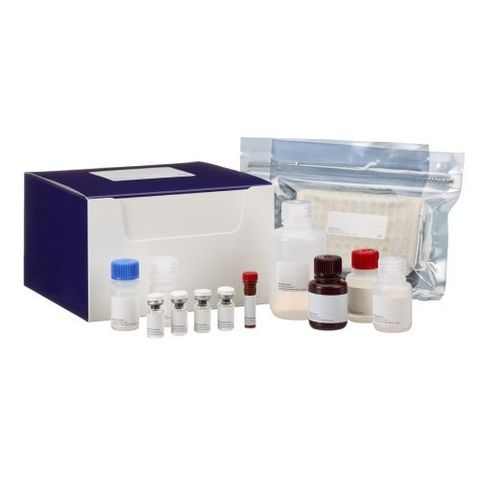
A standard TNF Alpha ELISA Kit typically contains:
- Antibody-coated microplate
- TNF Alpha standards
- Detection antibody
- Enzyme conjugate
- Wash buffer
- Sample diluent
- Substrate solution
- Stop solution
- Plate sealing film
- Instruction manual
Each component contributes to accurate cytokine measurement.
Sample Types
TNF Alpha ELISA Kits can analyze various biological samples.
Common sample types include:
- Human serum
- Plasma
- Cell culture supernatant
- Tissue homogenates
- Cell lysates
- Animal research samples
Proper sample preparation improves result accuracy.
Principle of TNF Alpha ELISA
The assay follows a simple immunological detection process.
Sample Addition
Prepared samples and standards are added to antibody-coated wells.
TNF-α molecules bind specifically to capture antibodies.
Detection Antibody Binding
A second antibody recognizes another region of TNF-α.
This forms an antibody-antigen-antibody complex.
Enzyme Reaction
An enzyme-linked reagent binds to the detection antibody.
After substrate addition, a color reaction develops.
Measurement
A microplate reader measures the color intensity.
Higher color intensity generally indicates higher TNF-α concentration.
Data Analysis
Results are compared with a standard calibration curve to determine TNF-α levels in unknown samples.
Applications
TNF Alpha ELISA Kits support many areas of scientific research.
Immunology Research
Researchers study immune responses and inflammatory signaling pathways.
Autoimmune Disease Research
Used to investigate inflammatory biomarkers associated with autoimmune disorders.
Cancer Research
TNF-α plays an important role in tumor biology and immune regulation.
Researchers evaluate cytokine activity during oncology studies.
Infectious Disease Studies
Scientists monitor inflammatory responses during bacterial, viral, and parasitic infections.
Drug Discovery
Pharmaceutical researchers evaluate how experimental compounds influence cytokine production.
Biotechnology Research
Biotechnology laboratories use ELISA assays for biomarker analysis and protein quantification.
Advantages
TNF Alpha ELISA Kits provide several practical benefits.
- High analytical sensitivity
- Excellent antibody specificity
- Reliable quantitative measurement
- Easy laboratory workflow
- Suitable for multiple sample types
- Good reproducibility
- Standardized experimental procedures
- Supports high-throughput research
- Compatible with microplate readers
Real-World Applications
Academic Research
Universities use TNF Alpha ELISA Kits for immunology and molecular biology research projects.
Pharmaceutical Laboratories
Researchers evaluate inflammatory biomarkers during therapeutic development.
Biotechnology Companies
Protein expression and cytokine analysis support product development and validation.
Medical Research Institutes
Scientists investigate inflammatory mechanisms in chronic diseases.
Veterinary Research
Animal studies frequently measure TNF-α during immune response investigations.
Important Factors to Understand
Sample Quality
Proper collection and storage reduce sample degradation.
Temperature Control
Following recommended storage conditions helps preserve reagent performance.
Calibration Standards
Using correctly prepared standards improves quantitative accuracy.
Washing Procedure
Thorough washing minimizes background signals and improves assay precision.
Laboratory Equipment
Properly calibrated microplate readers improve measurement consistency.
Future Trends in Laboratory Research
Laboratory technology continues advancing rapidly.
Multiplex Cytokine Analysis
Researchers increasingly measure multiple cytokines within a single experiment, improving efficiency.
Automated ELISA Systems
Automation improves consistency while reducing manual laboratory procedures.
High-Sensitivity Detection
New detection technologies continue improving analytical sensitivity for low-abundance biomarkers.
Digital Laboratory Integration
Modern laboratories increasingly integrate automated data management and digital result analysis into research workflows.
Personalized Medicine Research
Cytokine profiling is becoming increasingly important in biomarker discovery and precision medicine research.
Maintenance Tips
- Store kit components at recommended temperatures.
- Allow reagents to reach room temperature before use.
- Avoid repeated freeze-thaw cycles of samples.
- Use clean laboratory equipment to prevent contamination.
- Follow incubation times consistently.
- Prepare fresh wash solutions when required.
- Keep the microplate protected from contamination during the assay.
Frequently Asked Questions
What does a TNF Alpha ELISA Kit measure?
It measures the concentration of Tumor Necrosis Factor Alpha (TNF-α) in biological samples for research purposes.
Which samples can be analyzed?
Common samples include serum, plasma, cell culture supernatants, tissue homogenates, and cell lysates.
Why is TNF-α important?
TNF-α is a key inflammatory cytokine involved in immune regulation, cell signaling, and inflammatory research.
What equipment is required?
Most assays require a calibrated microplate reader, micropipettes, incubation equipment, and standard laboratory accessories.
Where are TNF Alpha ELISA Kits commonly used?
They are widely used in academic laboratories, biotechnology research, pharmaceutical development, immunology studies, oncology research, and biomarker analysis.
Conclusion
TNF Alpha ELISA Kits are essential laboratory tools for measuring inflammatory cytokines with high sensitivity and specificity. They support research in immunology, oncology, infectious diseases, biotechnology, and pharmaceutical development by providing reliable quantitative analysis of TNF-α levels. With standardized protocols, accurate detection methods, and compatibility with multiple biological sample types, these kits continue to play an important role in modern biomedical research. As laboratory technologies advance, automated workflows, multiplex assays, and improved analytical sensitivity will further enhance the value of TNF Alpha ELISA Kits in scientific discovery.
Disclaimer
The information provided in this article is for informational purposes only. We do not make any claims or guarantees regarding the accuracy, reliability, or completeness of the information presented. The content is not intended as professional advice and should not be relied upon as such. Readers are encouraged to conduct their own research and consult with appropriate professionals before making any decisions based on the information provided in this article.

Related Post...


Cell Sequencing Explained: Methods, Applications, and Research Insights
Updated: July 22, 2026
Read More