Telehandlers: Tips to Avoid Common Equipment Mistakes Before Work Begins
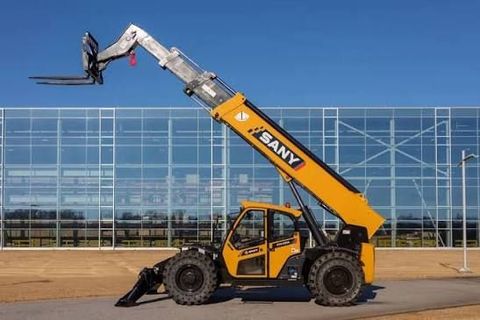
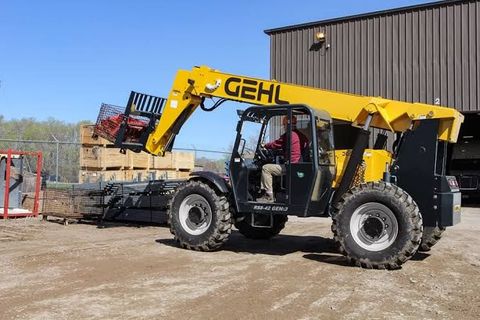
Telehandlers, also known as telescopic handlers, are versatile machines used to lift, move, and position materials in construction, agriculture, warehouses, and industrial environments.
They combine features of a forklift with a telescopic boom, allowing loads to be moved vertically and horizontally across different working areas.
Because the boom can extend outward, telehandlers require careful planning before operation begins. Mistakes involving load weight, attachment selection, ground conditions, visibility, or machine positioning can affect stability and handling. A structured pre-work inspection helps identify these issues before the equipment is put into operation.
Understanding Telehandler Basics
A typical telehandler consists of a chassis, telescopic boom, lifting mechanism, operator cab, stabilizing systems, and interchangeable attachments. Depending on the machine configuration, attachments may include forks, buckets, lifting hooks, work platforms, or material-handling accessories.
The machine's capacity changes according to several factors. Boom extension, load position, attachment type, and ground conditions can all influence how the telehandler behaves while carrying a load.
Importance
Preparing a telehandler before work begins is important because the machine operates with changing load positions and working angles. An operator needs to understand the relationship between the load, boom position, attachment, and ground surface before lifting materials.
Common mistakes can occur when preparation is rushed. These may include selecting an unsuitable attachment, exceeding the rated load, operating on unstable ground, or failing to check the surrounding area.
Common Mistakes to Check
Several areas deserve attention before operation:
- Load capacity: Confirm that the planned load is within the applicable capacity shown on the machine's load chart.
- Attachment selection: Make sure the attachment matches the material and intended lifting task.
- Ground conditions: Check for soft, uneven, sloped, or unstable surfaces that could affect machine stability.
- Visibility: Identify areas where the boom, attachment, or load may obstruct the operator's view.
- Clearance: Check overhead structures, electrical hazards, walls, vehicles, and other nearby obstacles.
- Inspection: Examine tires, controls, hydraulic components, attachments, lights, and safety equipment before use.
Why Load Charts Matter
A telehandler load chart explains how lifting capacity changes according to boom reach and height. A machine may handle a particular load close to the chassis but have a different capacity when the boom is extended.
| Pre-work factor | What to check | Why it matters |
|---|---|---|
| Load weight | Actual or verified load weight | Prevents capacity errors |
| Boom position | Reach and lifting height | Capacity changes with position |
| Attachment | Correct type and rating | Affects handling characteristics |
| Ground | Levelness and firmness | Influences stability |
| Surroundings | Obstacles and clearance | Reduces collision risks |
Recent Updates
Telehandler technology has continued to develop through 2024–2026, with greater attention to operator awareness, electronic monitoring, machine controls, and workplace safety. Modern equipment increasingly incorporates displays that provide information about load conditions, operating parameters, and machine status.
Technology and Operator Awareness
Some newer telehandlers use electronic systems that can help operators understand load limits and machine conditions. Camera systems, improved visibility features, operator-assistance technologies, and digital displays are also becoming more common across equipment categories.
Manufacturers have also continued developing equipment with improved fuel efficiency, electric power options, lower-emission systems, and updated control interfaces. These developments reflect broader changes in construction and material-handling equipment toward more connected and efficient operation.
Technology does not replace proper training or the need to follow the manufacturer's operating instructions. Operators still need to understand the specific machine configuration before beginning work.
Tools and Resources
Several resources can support telehandler preparation and planning. The operator manual provides machine-specific information about controls, inspection procedures, attachments, and operating limitations.
Load charts are particularly important when planning lifting activities. Other useful resources include workplace inspection checklists, attachment specifications, ground-condition assessment forms, operator training materials, and equipment documentation.
Practical Pre-Work Checklist
A simple checklist can help organize preparation:
- Review the planned lifting task.
- Confirm the load information.
- Check the applicable load chart.
- Inspect the attachment.
- Examine tires and visible components.
- Test controls according to the operating instructions.
- Assess ground conditions.
- Identify overhead and surrounding hazards.
- Confirm adequate visibility and communication.
- Keep unauthorized people outside the operating area.
FAQs
What are telehandlers used for?
Telehandlers are used to lift, move, and position materials. They are common in construction, agriculture, warehouses, and industrial environments where a telescopic boom provides additional reach.
How should telehandlers be checked before work?
A pre-work inspection generally includes the tires, attachment, boom, hydraulic components, controls, safety equipment, visibility, and surrounding work area. The manufacturer's instructions should determine the specific inspection procedure.
Why is the telehandler load chart important?
The load chart shows how lifting capacity changes according to factors such as boom reach, lifting height, and configuration. Operators should review the applicable chart before handling a load.
What common telehandler mistakes should operators avoid?
Common mistakes include using an unsuitable attachment, exceeding the rated capacity, overlooking ground conditions, operating with restricted visibility, and failing to check overhead clearance.
Can technology prevent telehandler mistakes?
Electronic displays, cameras, monitoring systems, and operator-assistance features can provide useful information, but they do not replace proper training, inspection, and adherence to the machine's operating instructions.
Conclusion
Telehandlers combine lifting capability with telescopic reach, making preparation important before each operating task. Checking load information, attachments, ground conditions, visibility, clearance, and machine condition can help identify common equipment risks before operation begins. Recent developments in monitoring, operator-assistance technology, and alternative power systems are changing how telehandlers are designed and used. The manufacturer's instructions and applicable workplace procedures remain important sources of machine-specific information.

Related Post...
Diesel Generator Sets: Guide to Reliable Backup Power When Every Second Matters
Updated: September 26, 2026
Read More
Industrial Air Compressors: Guide to Performance, Efficiency, and Key Selection Factors
Updated: September 26, 2026
Read More