Diesel Generator Sets: Guide to Reliable Backup Power When Every Second Matters
Diesel generator sets are backup power systems that combine a diesel engine with an electrical generator.
They convert the engine’s mechanical energy into electricity when a primary power supply becomes unavailable or cannot provide sufficient power.
Diesel generator sets are used in buildings, factories, healthcare facilities, construction sites, data centers, farms, and other locations where an interruption in electricity can affect equipment or operations. A typical system includes an engine, alternator, fuel system, cooling system, control panel, exhaust arrangement, and battery starting system.
How Diesel Generator Sets Work
When the main electrical supply fails, an automatic transfer switch can detect the interruption and initiate the generator sequence. The diesel engine starts, reaches its operating speed, and drives the alternator to produce electrical power.
The control system monitors operating conditions such as voltage, frequency, engine temperature, and oil pressure. This allows operators to observe generator performance and identify abnormal conditions.
| Component | Main Function |
|---|---|
| Diesel engine | Provides mechanical power |
| Alternator | Converts mechanical energy into electricity |
| Fuel system | Stores and delivers diesel fuel |
| Cooling system | Controls engine temperature |
| Control panel | Monitors and manages operation |
| Battery system | Provides starting power |
| Exhaust system | Directs combustion gases safely |
Importance
Power interruptions can affect lighting, communications, refrigeration, manufacturing equipment, computer systems, pumps, and other electrical loads. Diesel generator sets provide an independent electricity source that can operate when the main grid supply is interrupted.
Where Backup Power Matters
The required generator capacity depends on the electrical loads that need to remain operational. Critical facilities may prioritize equipment such as emergency lighting, medical equipment, security systems, communication equipment, servers, or pumps.
Common applications include:
- Hospitals and healthcare facilities
- Data centers and telecommunications sites
- Manufacturing plants
- Commercial and residential buildings
- Construction locations
- Agricultural operations
- Emergency infrastructure
Generator selection involves factors such as rated power, fuel consumption, operating environment, load type, noise levels, emissions requirements, and expected operating duration.
Recent Updates
The diesel generator industry is increasingly focused on efficiency, emissions control, remote monitoring, and integration with other energy technologies. Modern control systems can collect operating information and display parameters through digital interfaces, helping operators understand equipment conditions.
Current Technology Trends
Manufacturers are also developing generator systems that can work alongside renewable energy, battery storage, and microgrids. In hybrid configurations, generators can operate when renewable generation or stored energy cannot meet the required electrical load.
Other developments include improved engine controls, electronic monitoring, automatic load management, and systems designed to meet changing emissions requirements in different regions.
Fuel management is another important consideration. Operators increasingly track fuel levels, consumption patterns, runtime, and maintenance intervals through digital monitoring platforms.
Tools and Resources
Several resources can help people understand generator requirements before selecting or configuring a system. Generator sizing calculators can estimate required capacity based on connected electrical loads, while load calculation worksheets help organize equipment wattage and starting requirements.
Useful Planning Resources
Helpful resources include:
- Generator sizing calculators
- Electrical load calculation worksheets
- Fuel consumption charts
- Manufacturer specification sheets
- Automatic transfer switch documentation
- Generator monitoring software
- Local electrical and emissions regulations
Load characteristics matter because some motors, pumps, compressors, and air-conditioning equipment can require additional starting power. Reviewing both running and starting loads provides a clearer picture of generator capacity requirements.
FAQs
What are diesel generator sets used for?
Diesel generator sets provide electrical power when the primary electricity supply is interrupted or unavailable. They are commonly used in commercial buildings, industrial facilities, healthcare locations, data centers, and infrastructure sites.
How are diesel generator sets sized?
Sizing generally considers the total electrical load, starting requirements, operating conditions, and the equipment that must remain powered. A load calculation helps determine the appropriate generator capacity.
How long can a diesel generator run?
Runtime depends on fuel tank capacity, engine efficiency, electrical load, operating conditions, and fuel management. A larger fuel supply can support longer operation, subject to operating requirements and applicable regulations.
What is an automatic transfer switch?
An automatic transfer switch detects changes in the primary electrical supply and transfers connected loads to the generator when required. It can also return the load to the primary supply when normal power is restored.
Can diesel generators work with renewable energy?
Yes. Diesel generators can be integrated into hybrid systems containing solar generation, batteries, or microgrids. The control system determines how different power sources operate together according to system requirements.
Conclusion
Diesel generator sets provide an independent source of electrical power during interruptions or limitations in the primary supply. Their operation depends on coordinated components including the engine, alternator, fuel system, controls, cooling system, and starting system. Recent developments emphasize digital monitoring, improved efficiency, emissions management, and integration with batteries and renewable energy. Understanding electrical loads, generator capacity, fuel requirements, and operating conditions is important when evaluating backup power systems.

Related Post...
Concrete Boom Pumps: Guide to Smarter Placement and Faster Results
Updated: September 26, 2026
Read More
All Terrain Cranes: Discover What Makes Modern Lifting More Flexible
Updated: September 26, 2026
Read More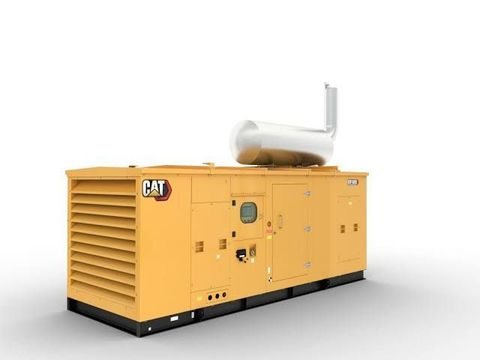
Diesel Generator Sets: Guide to Reliable Backup Power When Every Second Matters
Updated: September 26, 2026
Read More