Sustainable Fashion Brands: Ethical Clothing Guide
Fashion trends move faster than ever, but many consumers are beginning to question how clothing is produced, sourced, and distributed behind the scenes. Low-cost fashion cycles may appear convenient, yet they often raise concerns about environmental impact, material waste, and long-term sustainability.
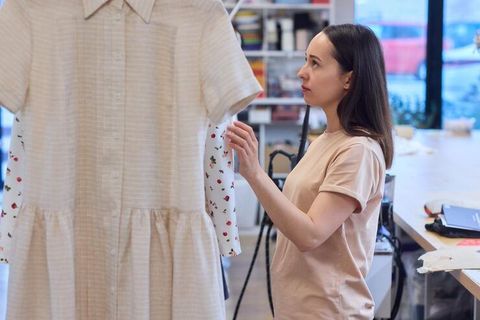
Many people don’t realize that the real difference between fast fashion and sustainable fashion brands often appears in sourcing methods, production transparency, and product longevity rather than design style alone. A garment may look similar on the surface while following completely different manufacturing systems.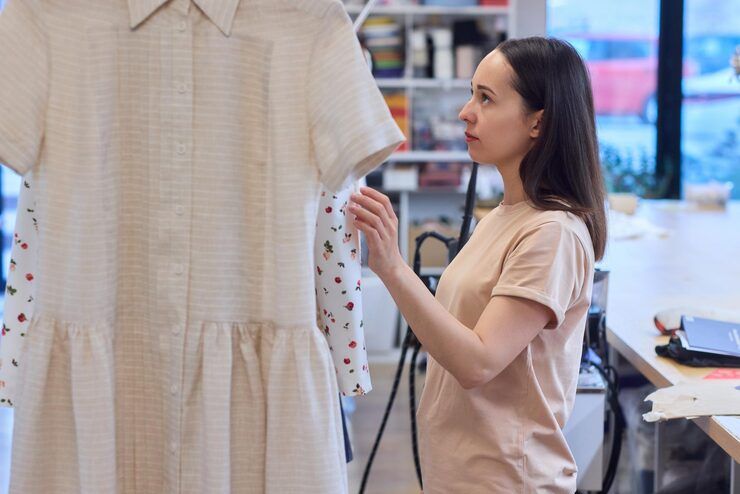
This ethical clothing guide explores how sustainable fashion brands operate, why eco-conscious fashion continues growing globally, and what factors consumers often compare when evaluating ethical clothing choices and long-term wardrobe value.
Why Sustainable Fashion Brands Are Gaining Attention
Sustainable fashion brands focus on reducing environmental impact while improving ethical production practices across the supply chain.
This matters because the fashion industry influences water usage, textile waste, manufacturing emissions, and labor conditions at a global scale. As consumers become more aware of production systems, interest in ethical clothing alternatives continues increasing.
From a practical perspective, sustainability in fashion may involve eco-friendly fabrics, lower waste production, recycled materials, fair labor practices, or slower manufacturing cycles.
In real-world consumer behavior, many shoppers now evaluate clothing quality, durability, and transparency alongside appearance or pricing.
Understanding Ethical Clothing Production
Ethical clothing production usually involves responsible sourcing, safer labor conditions, and improved manufacturing accountability.
This becomes important because fashion supply chains often involve multiple countries, factories, and material suppliers working together across complex production networks.
One overlooked factor is traceability. Some sustainable fashion brands provide detailed sourcing information about fabric origins, factory partnerships, or production certifications.
In many cases, the real difference appears when brands openly explain how products are manufactured rather than focusing only on marketing language.
Common Types of Sustainable Fashion Approaches
Eco-Friendly Fabric Brands
Some brands focus primarily on sustainable materials such as organic cotton, hemp, bamboo fibers, or recycled textiles.
These materials may reduce chemical usage, water consumption, or textile waste compared with traditional production methods.
Slow Fashion Brands
Slow fashion emphasizes durability, smaller production cycles, and longer product lifespan.
In real-world usage, consumers often keep slow-fashion garments longer because material quality and stitching standards tend to be stronger.
Circular Fashion Systems
Circular fashion systems focus on recycling, resale programs, repair models, and reduced waste generation.
This approach matters because clothing disposal continues increasing globally as fast-fashion consumption accelerates.
Sustainable Fashion Comparison
| Fashion Approach | Main Focus | Strength | Trade-Off |
|---|---|---|---|
| Eco-Friendly Fabrics | Sustainable materials | Lower environmental impact | Higher production cost |
| Slow Fashion | Long-term durability | Better clothing lifespan | Slower trend cycles |
| Circular Fashion | Waste reduction | Improved sustainability | Limited product availability |
This sustainable fashion comparison shows that ethical clothing decisions often depend on personal priorities rather than a single universal standard.
The best sustainable fashion brands may balance durability, transparency, pricing, and responsible sourcing differently depending on their operational goals.
Decision Thinking: Choosing Ethical Clothing Brands
Choosing ethical clothing brands often depends on what consumers value most within the fashion experience.
Some buyers prioritize material sustainability, while others focus more on fair labor standards or product longevity. In many cases, shoppers also compare pricing, transparency, and design versatility before making decisions.
One overlooked factor is garment lifespan. Lower-cost clothing may appear affordable initially, but shorter durability can increase replacement frequency over time.
The real difference appears when sustainable fashion performance combines quality, comfort, and long-term wearability instead of relying only on environmental branding.
Consumers also tend to compare how brands communicate sustainability claims. Detailed sourcing explanations, production transparency, and realistic manufacturing disclosures often create stronger trust than vague eco-marketing statements.
Real-World Consumer Behavior in Sustainable Fashion
Sustainable fashion purchasing patterns continue evolving across different demographics and lifestyles.
Some consumers gradually transition toward ethical clothing by replacing frequently worn items with higher-quality alternatives rather than rebuilding entire wardrobes immediately.
For example, shoppers may begin with sustainable denim, activewear, or outerwear because these categories experience heavier long-term usage.
In real-world fashion markets, many consumers balance sustainability goals alongside affordability, personal style preferences, and product accessibility.
Challenges Facing Sustainable Fashion Brands
Although demand for ethical clothing continues growing, sustainable fashion brands still face operational challenges.
Eco-friendly materials, smaller production runs, and transparent supply chains may increase manufacturing expenses compared with mass-market fast fashion systems.
This matters because consumers often compare sustainable clothing prices against lower-cost alternatives without considering production differences.
Another challenge involves scalability. As ethical fashion demand grows, maintaining transparency and sourcing consistency across larger operations may become increasingly complex.
Future Trends in Ethical Fashion
Fashion industry trends increasingly focus on material innovation, supply chain transparency, and circular production models.
Recycled fibers, biodegradable textiles, digital product tracking, and AI-driven inventory forecasting are becoming more common within modern sustainable fashion systems.
Some brands are also exploring made-to-order production methods to reduce excess inventory waste.
Future sustainable fashion brands may rely more heavily on traceability technology and long-term product lifecycle strategies rather than rapid seasonal turnover.
FAQ
1. What are sustainable fashion brands?
They are clothing brands focused on reducing environmental impact and improving ethical production practices.
2. Why is ethical clothing becoming more popular?
Consumers are becoming more aware of environmental concerns, labor practices, and long-term clothing quality.
3. What is the difference between fast fashion and slow fashion?
Fast fashion focuses on rapid production cycles, while slow fashion emphasizes durability and long-term use.
4. Are eco-friendly fabrics always more expensive?
Not always, but sustainable materials may increase production costs depending on sourcing and manufacturing methods.
5. What is circular fashion?
Circular fashion focuses on recycling, repair, resale, and reducing clothing waste over time.
Conclusion
Sustainable fashion brands continue reshaping how consumers think about clothing quality, manufacturing transparency, and long-term wardrobe decisions.
From eco-friendly fabrics to circular production systems, ethical clothing strategies vary widely across the fashion industry. Many people don’t realize that sustainable fashion performance often depends on durability, sourcing transparency, and operational accountability rather than branding alone.
As consumer awareness continues growing, sustainable fashion brands may increasingly influence how future clothing systems balance style, environmental responsibility, and long-term value.

Related Post...