Clothing Brand Insights for Finding Styles That Fit Your Lifestyle
Choosing clothing is about more than following fashion trends or selecting popular brands.
The right clothing should reflect personal preferences, support everyday activities, and provide comfort across different situations. Understanding how clothing brands approach design, quality, and functionality can make everyday wardrobe decisions easier.
The clothing industry offers a wide range of styles, from casual everyday wear and professional outfits to sportswear and occasion-based fashion. Different brands serve different audiences through their fabric choices, sizing approaches, design philosophies, and product collections.
Understanding these differences helps shoppers identify clothing that fits their lifestyle rather than purchasing items based solely on appearance. Exploring brand categories, garment quality, versatility, and selection considerations can lead to a more practical and comfortable wardrobe.
How Clothing Brands Reflect Different Lifestyles
Clothing brands often develop their collections around particular lifestyles, customer preferences, and everyday requirements. Some focus on relaxed casual clothing, while others emphasize professional appearance, athletic performance, or contemporary fashion.
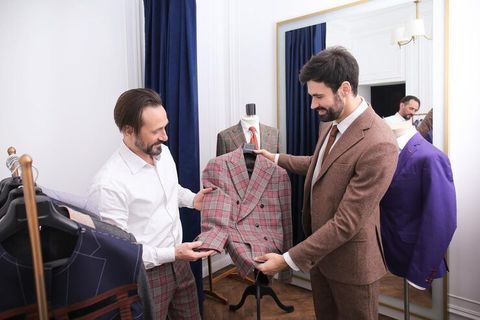
For example, someone working in a formal office environment may prioritize structured shirts, trousers, blazers, and coordinated outfits. A person with a more active routine may prefer flexible fabrics, breathable materials, and comfortable designs that support movement.
These differences explain why brand selection should begin with lifestyle requirements. A recognizable brand name does not automatically make a garment suitable for every occasion or personal preference.
Understanding a brand's intended audience and design approach provides a useful starting point. It also helps shoppers distinguish between clothing that looks attractive and clothing that genuinely supports their daily activities.
Exploring Different Clothing Brand Categories
The clothing market includes several categories, each serving different wardrobe requirements. Understanding these categories helps shoppers identify brands that align with their preferred appearance and practical needs.
Casual and Everyday Clothing
Casual clothing brands focus on comfort, versatility, and designs suitable for regular activities. Their collections commonly include T-shirts, jeans, sweatshirts, casual shirts, jackets, and relaxed trousers.
Brands such as Levi's, Uniqlo, and Gap are associated with different approaches to everyday clothing. Levi's is widely recognized for denim, while Uniqlo emphasizes functional everyday essentials and Gap offers casual wardrobe staples.
When evaluating casual clothing, consider fabric softness, stitching, fit, durability, and how easily garments coordinate with existing wardrobe pieces.
Formal and Professional Fashion
Professional clothing is designed for workplaces, business meetings, formal events, and situations requiring a more structured appearance.
Common options include tailored trousers, dress shirts, blazers, suits, skirts, and coordinated separates. Brands such as Brooks Brothers and Hugo Boss are associated with formal and professional clothing collections.
The most useful considerations include garment construction, fabric quality, comfort during extended wear, and whether individual pieces can be combined into multiple outfits.
Sportswear and Activewear
Sportswear brands develop clothing for exercise, outdoor activities, training, and movement-focused lifestyles.
Nike, Adidas, and Puma offer collections that include athletic shirts, leggings, training shorts, jackets, and sports footwear. Their products may incorporate moisture-management fabrics, stretch materials, lightweight construction, and activity-specific designs.
However, technical features should match the intended activity. Clothing designed for running may have different requirements from garments intended for weight training, yoga, or everyday leisure.
What to Evaluate When Choosing Clothing
Brand recognition alone provides limited information about whether a garment will suit an individual. Fabric, construction, fit, comfort, and practical versatility deserve closer attention.
Selection factor | What to consider |
|---|---|
Fabric quality | Material composition, breathability, softness, and durability |
Fit and sizing | Measurements, garment cut, and freedom of movement |
Construction | Stitching, seams, buttons, zippers, and finishing |
Versatility | Compatibility with existing wardrobe pieces |
Maintenance | Washing instructions, shrinkage, and care requirements |
Design | Personal preferences, occasion, and lifestyle suitability |
Fabric selection is particularly important because different materials behave differently during everyday use. Cotton is commonly valued for its softness and breathability, while polyester is often used for moisture management and wrinkle resistance. Linen offers lightweight comfort, although it wrinkles more easily.
Blended fabrics combine different material characteristics, sometimes improving durability, flexibility, or ease of maintenance. Reading garment labels helps shoppers understand what they are selecting instead of relying exclusively on appearance.
Understanding Fit, Comfort, and Personal Style
A well-designed garment should complement the wearer's preferences while allowing comfortable movement. Even high-quality clothing may feel unsuitable when its proportions, cut, or sizing do not match the individual.
Different clothing fits serve different purposes. Slim-fit garments provide a closer silhouette, regular-fit designs offer a more traditional shape, and relaxed-fit clothing allows additional room.
Personal style also influences how clothing is selected and combined. Some people prefer neutral colors and minimal designs, while others enjoy bold patterns, seasonal collections, or distinctive silhouettes.
Rather than following every fashion trend, consider which colors, shapes, and materials work consistently with existing wardrobe pieces. This approach makes outfit coordination easier and reduces unnecessary purchases.
Building a Versatile Wardrobe With Suitable Brands
A versatile wardrobe contains garments that work across different activities and occasions. Instead of depending on one brand for every requirement, shoppers can select clothing from different categories based on quality, fit, and intended use.
For example, everyday essentials can provide the foundation for casual outfits, while structured shirts and trousers support professional settings. Lightweight jackets, comfortable footwear, and adaptable outerwear can extend the usefulness of existing garments.
It is also helpful to consider how frequently individual items will be worn. A garment that coordinates with several other pieces may offer greater practical value than something suitable for only one specific occasion.
Before selecting new clothing, assess existing wardrobe gaps. This helps prevent duplicate purchases and encourages a more organized approach to personal style.
How to Compare Clothing Brands More Effectively
Comparing clothing brands requires looking beyond advertising, popularity, and seasonal trends. Two brands may offer similar garment categories but differ significantly in sizing consistency, material selection, construction, and design priorities.
Start by comparing products within the same category. For example, when evaluating casual shirts, examine fabric composition, collar construction, stitching, fit options, and care requirements.
Brand size charts can also differ, making measurements more useful than relying on a familiar size label. When shopping online, review garment dimensions and understand the applicable return or exchange conditions.
Customer reviews may provide additional context about fit, fabric behavior, and product consistency. However, individual experiences can vary, so repeated patterns across multiple reviews are generally more informative than isolated opinions.
A suitable clothing brand is ultimately one that consistently meets the wearer's practical requirements, personal preferences, and expectations for garment quality.
Frequently Asked Questions
How can someone identify clothing brands that match their lifestyle?
Start by considering daily activities, preferred clothing styles, comfort requirements, and the occasions for which garments are needed. Compare brand collections based on fit, fabric, design, and practical functionality.
Are expensive clothing brands always better in quality?
No. Brand positioning and garment quality are not the same thing. Fabric composition, construction, stitching, durability, and fit provide more meaningful ways to evaluate individual garments.
Which fabrics are suitable for everyday clothing?
Cotton, linen, polyester, and blended fabrics are commonly used for everyday garments. Suitability depends on climate, intended activity, personal comfort, and maintenance preferences.
How can shoppers choose the correct clothing size?
Check the brand's size chart and compare garment measurements with personal measurements. Consider the intended fit because sizing can vary between brands and clothing categories.
Is it better to follow fashion trends or develop a personal style?
Developing a personal style generally provides greater long-term consistency. Trends can introduce fresh ideas, but clothing should ultimately reflect individual preferences and practical requirements.
Conclusion
Finding clothing that fits a lifestyle requires more than choosing recognizable brands or following current fashion trends. Fabric quality, garment construction, fit, versatility, and personal preferences all influence whether clothing remains useful and comfortable.
By understanding different clothing categories and comparing brands through practical criteria, shoppers can make more informed wardrobe decisions. The most suitable clothing choices are those that balance personal expression, everyday comfort, and lasting usefulness.

Related Post...

Fashion Marketing Basics: Explore Key Concepts, Strategies & Useful Information
Updated: April 04, 2026
Read More