Supply Chain Technology Overview: Trends, Facts and Knowledge
Supply chain technology helps organizations plan, track, and manage the movement of materials, products, and information from suppliers to customers.
It combines software, automation, data analytics, and digital communication to improve visibility and coordination across the supply chain. As industries continue adopting digital tools, supply chain technology plays an important role in supporting efficient operations and informed decision-making.
Modern supply chain technology has evolved beyond simple inventory tracking. Today, businesses use connected systems, artificial intelligence, cloud platforms, and real-time data to improve forecasting, monitor shipments, and respond to changing market conditions. Understanding these technologies helps organizations and individuals stay informed about current practices and future developments.
Context
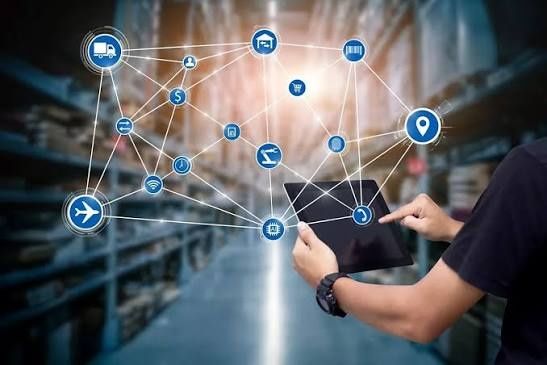
Supply chain technology refers to digital tools, systems, and platforms that support the planning, movement, storage, and delivery of products. These technologies connect suppliers, manufacturers, warehouses, transportation providers, retailers, and customers through shared information and automated processes.
The primary purpose of supply chain technology is to improve visibility, accuracy, and collaboration across every stage of the supply chain. Instead of relying on manual records, organizations can use digital platforms to monitor inventory, track shipments, and analyze operational data.
Some common supply chain technologies include:
- Enterprise Resource Planning (ERP) systems
- Warehouse Management Systems (WMS)
- Transportation Management Systems (TMS)
- Internet of Things (IoT) sensors
- Artificial Intelligence (AI)
- Cloud computing platforms
- Barcode and RFID technology
- Data analytics and reporting tools
Common Components of Supply Chain Technology
These technologies often work together to create a connected supply chain. For example, warehouse systems communicate with transportation software while inventory data updates automatically across multiple locations.
Key Objectives
The main objectives include:
- Improve operational visibility
- Support accurate forecasting
- Reduce manual processes
- Enhance inventory management
- Strengthen communication among supply chain partners
Importance
Supply chain technology is important because it helps organizations manage increasingly complex global supply networks. Digital systems provide faster access to information, making it easier to identify delays, monitor inventory levels, and coordinate production schedules.
Manufacturers use these technologies to monitor raw materials and production activities. Retail businesses use them to track inventory across multiple locations. Logistics providers rely on digital platforms to monitor transportation routes and shipment status.
Consumers are also indirectly affected. Better planning and improved supply chain visibility may help reduce delivery disruptions and improve product availability.
The importance of supply chain technology extends across many industries, including:
- Manufacturing
- Healthcare
- Food and agriculture
- Automotive
- Retail
- E-commerce
- Pharmaceuticals
- Electronics
The growing use of automation and predictive analytics also supports faster decision-making while improving operational efficiency.
Recent Updates
Between 2024 and 2026, supply chain technology has continued evolving as organizations focus on resilience, sustainability, and digital transformation.
Artificial Intelligence and Automation
AI-powered forecasting tools have become more common for predicting demand and identifying potential supply chain risks. Automation is also expanding in warehouses through robotics, automated storage systems, and intelligent picking solutions.
Cloud-Based Supply Chains
Cloud platforms continue replacing traditional on-premise systems. Cloud technology enables real-time collaboration between suppliers, manufacturers, logistics providers, and distributors regardless of location.
Other notable developments include:
- Greater use of digital twins for supply chain simulation
- Increased adoption of predictive analytics
- Expansion of IoT devices for shipment monitoring
- Improved cybersecurity practices
- Better sustainability reporting using digital platforms
- Growth of blockchain applications for traceability
- Enhanced real-time inventory visibility
Organizations are also investing in flexible supply chain technology that can respond more effectively to changing customer demand and global disruptions.
Laws or Policies
Supply chain technology often operates within legal and regulatory frameworks that vary by country and industry. Compliance helps organizations manage data responsibly while supporting transparency and product traceability.
Some commonly applicable regulations and policies include:
| Area | Purpose |
|---|---|
| Data protection laws | Protect personal and business information |
| Product traceability regulations | Improve tracking throughout the supply chain |
| Customs and trade regulations | Support international movement of goods |
| Environmental reporting requirements | Encourage sustainability and emissions reporting |
| Cybersecurity standards | Protect digital infrastructure and operational systems |
| Electronic record regulations | Support secure digital documentation |
Many governments also encourage digital transformation through technology initiatives, innovation programs, and supply chain modernization strategies.
Organizations should regularly review applicable national regulations, industry standards, and international trade requirements to maintain compliance.
Tools and Resources
Several digital resources help professionals and organizations understand supply chain technology and improve operational knowledge.
Useful platforms include:
- ERP software documentation
- Warehouse management platforms
- Transportation management software
- Supply chain analytics dashboards
- Inventory planning templates
- Demand forecasting calculators
- Government trade information portals
- Industry association publications
- Academic research databases
- Supply chain benchmarking reports
Learning resources may include:
- Online educational courses
- Technical documentation
- Industry webinars
- Research publications
- Professional certification programs
These resources provide practical knowledge about planning, inventory management, logistics, procurement, and digital transformation.
FAQs
What is supply chain technology?
Supply chain technology refers to digital systems and software used to manage planning, inventory, transportation, warehousing, procurement, and product movement across the supply chain.
Why is supply chain technology important?
It improves visibility, supports better decision-making, enhances operational coordination, and helps organizations respond more effectively to changing market conditions.
Which industries use supply chain technology?
Manufacturing, healthcare, retail, food processing, automotive, pharmaceuticals, logistics, and e-commerce all use supply chain technology to manage operations.
What are the latest supply chain technology trends?
Recent trends include artificial intelligence, cloud computing, automation, IoT devices, predictive analytics, blockchain, digital twins, and sustainability reporting.
How does supply chain technology improve visibility?
Connected systems collect and share real-time information about inventory, shipments, production, and warehouse operations, allowing organizations to monitor activities across the supply chain.
Conclusion
Supply chain technology has become an essential part of modern business operations by improving visibility, coordination, and data-driven decision-making. As digital transformation continues, organizations increasingly rely on connected platforms to manage complex supply networks more effectively.
Understanding current supply chain technology trends, regulations, and available resources helps businesses, students, and professionals build stronger knowledge of this rapidly evolving field.
Future developments are expected to focus on greater automation, advanced analytics, sustainability, cybersecurity, and real-time collaboration, making supply chain technology an important area for ongoing learning and adaptation.

Related Post...

Hotel Management Introduction: Learn How Hotels Operate and Serve Guests
Updated: September 03, 2026
Read More
Learn Industrial Manufacturing: Guide to Processes and Technology
Updated: August 12, 2026
Read More