Hotel Management Introduction: Learn How Hotels Operate and Serve Guests
Hotels are organized businesses designed to provide accommodation, food, facilities, and hospitality to travelers and other visitors.
Hotel management brings together many activities, including reservations, front-office operations, housekeeping, food operations, maintenance, accounting, and guest relations.
Understanding hotel management helps explain how different departments work together to maintain smooth daily operations. From receiving a reservation to preparing a room and handling checkout, each stage requires planning, communication, trained personnel, technology, and consistent operating procedures.
Context
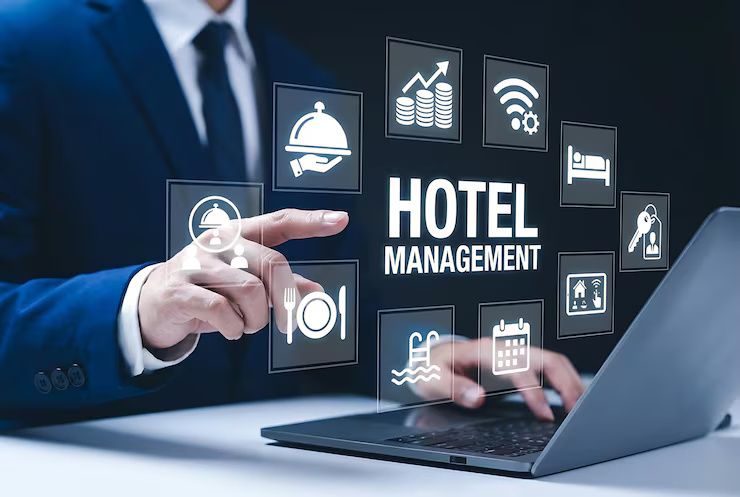
Hotel management refers to the planning, coordination, and supervision of activities within a hotel. Its purpose is to ensure that accommodation operations, guest interactions, financial activities, housekeeping, food operations, maintenance, and administrative functions work together efficiently.
Modern hotels can range from small independent properties to large international establishments with hundreds or thousands of rooms. Although their size and structure differ, most hotels use similar core departments.
| Department | Main Responsibility |
|---|---|
| Front Office | Reservations, arrivals, departures, room information, and guest communication |
| Housekeeping | Room preparation, cleanliness, linen management, and public areas |
| Food and Beverage | Restaurants, kitchens, dining areas, and food operations |
| Maintenance | Building systems, equipment, utilities, and repairs |
| Finance | Accounting, budgeting, payments, payroll, and financial records |
| Human Resources | Recruitment processes, training, workplace policies, and personnel records |
| Sales and Marketing | Property promotion, market research, partnerships, and demand planning |
| Security | Safety procedures, incident response, access control, and emergency planning |
A typical hotel operation begins with reservation management. A guest may make a reservation through a hotel website, travel platform, telephone, or another booking channel. The reservation system records details such as dates, room category, occupancy, and guest information.
Before arrival, housekeeping prepares the assigned room while the front office reviews expected arrivals. During the stay, departments communicate about room status, maintenance requirements, requests, and other operational matters.
At departure, the front office completes the checkout process and updates the room status. Housekeeping then prepares the room for the next expected occupant.
Hotel management therefore involves much more than managing rooms. It requires coordination between people, physical facilities, financial records, technology systems, and operating procedures.
Importance
Hotel management matters because hospitality operations involve many connected activities that must function reliably every day. A delay or error in one department can affect several other departments.
For example, if a room is not updated correctly in the property management system, the front office may not know that it is ready for arrival. Similarly, a maintenance problem can affect housekeeping schedules, room availability, and guest satisfaction.
Effective management supports:
- Consistent operating procedures
- Accurate reservation records
- Efficient room preparation
- Clear communication between departments
- Appropriate financial controls
- Workplace safety
- Regulatory compliance
- Better planning of staffing and resources
Hotel management also affects different groups. Guests depend on accurate information and organized accommodation arrangements. Employees depend on clear procedures, training, and workplace policies. Owners and managers use operational and financial information to make decisions about performance and planning.
Students interested in hospitality can also benefit from learning hotel management fundamentals. Common areas of study include hospitality operations, accounting, food operations, housekeeping management, tourism, marketing, human resources, and information technology.
Recent Updates
Technology has become increasingly important in hotel management. Property management systems now help coordinate reservations, room status, guest records, billing information, and operational reports.
Mobile technology has also changed how guests interact with hotels. Depending on the property, digital systems may support online check-in, digital room information, mobile communication, or electronic access.
Another important development is the use of data for operational planning. Hotels can examine occupancy patterns, booking trends, seasonal demand, and historical performance to support decisions about room availability and staffing.
Artificial intelligence is also being explored for areas such as customer communication, demand forecasting, data analysis, and operational automation. Human oversight remains important because hotel operations involve personal interactions, unusual situations, privacy considerations, and decisions that may require judgment.
Sustainability has become another significant area of hotel management. Properties are increasingly examining energy consumption, water use, waste management, food waste, and building efficiency.
Current hotel management trends include:
- Greater use of cloud-based management systems
- Digital reservation and check-in processes
- Data-driven demand planning
- Energy and water efficiency programs
- Contactless technology where appropriate
- Greater attention to cybersecurity and data privacy
- Integration between hotel systems and external booking platforms
These developments do not eliminate the importance of employees. Instead, technology generally changes how information is processed and how routine tasks are coordinated.
Laws or Policies
Hotels operate within legal and regulatory frameworks that vary by country, state, province, and municipality. Requirements can cover building safety, fire protection, food hygiene, employment practices, taxation, accessibility, privacy, and licensing.
In India, hotel operations can involve requirements from central, state, and local authorities. Depending on the property and its activities, relevant areas may include the Food Safety and Standards Authority of India for food-related requirements, local municipal rules, fire safety regulations, environmental requirements, and taxation rules.
Hotels that collect personal information also need to consider applicable data protection requirements. India's Digital Personal Data Protection Act, 2023 establishes a framework concerning the processing of digital personal data and responsibilities connected with such processing.
International hotels must follow the laws applicable in each country where they operate. Management teams therefore need documented procedures for regulatory compliance and should verify requirements with appropriate government authorities or qualified legal professionals.
Important policy areas may include:
- Fire and emergency preparedness
- Food safety and hygiene
- Building and occupancy requirements
- Accessibility
- Employee and workplace regulations
- Personal data protection
- Tax reporting
- Environmental regulations
- Local licenses and permissions
Because regulations can change, hotel managers should rely on current official government information rather than outdated summaries.
Tools and Resources
Hotel management relies on a combination of software, documents, communication systems, and analytical tools. The exact technology used depends on the property's size and operational structure.
A property management system, commonly called a PMS, can centralize reservations, room information, guest records, and other operational data. Channel management systems can help coordinate room availability across multiple booking channels.
Other useful resources include:
- Occupancy and performance spreadsheets
- Housekeeping room-status checklists
- Maintenance reporting forms
- Staff training materials
- Emergency response procedures
- Inventory tracking documents
- Financial reporting templates
- Guest feedback records
- Government regulatory portals
- Hospitality education resources
Students can also learn through hospitality textbooks, professional associations, academic institutions, tourism organizations, and official government publications.
When selecting a hotel management tool, important considerations include data security, integration capabilities, reporting functions, usability, scalability, and regulatory requirements.
FAQs
What is hotel management?
Hotel management is the coordination and supervision of hotel activities such as reservations, front-office operations, housekeeping, food operations, maintenance, finance, and guest relations.
What are the main departments in a hotel?
Common departments include front office, housekeeping, food and beverage, finance, maintenance, human resources, sales and marketing, and security. Smaller properties may combine several of these functions.
Why is hotel management important?
Hotel management helps coordinate different departments, maintain organized operations, manage resources, support safety, maintain accurate records, and create consistent experiences for guests.
How does technology affect hotel management?
Technology can simplify reservations, room-status updates, financial records, reporting, communication, and data analysis. Modern systems can also connect several hotel departments through shared information.
What should beginners learn about hotel management?
Beginners can start with front-office operations, housekeeping, food operations, hotel accounting, hospitality communication, safety procedures, technology systems, and basic management principles.
Conclusion
Hotel management is a broad field that combines hospitality, administration, technology, finance, human resources, and operational planning. A hotel's daily activities depend on coordination among multiple departments and clear procedures.
Understanding these fundamentals provides a useful foundation for studying how hotels operate and how different teams contribute to organized accommodation operations.
As the hospitality industry changes, technology, data analysis, sustainability, privacy, and regulatory compliance are becoming increasingly important parts of hotel management.
At the same time, effective communication, responsible management, safety awareness, and attention to operational details remain central to successful hotel operations.

Related Post...

Explore the Basics of AI Business Automation for Modern Businesses
Updated: September 04, 2026
Read More
Hotel Management Introduction: Learn How Hotels Operate and Serve Guests
Updated: September 03, 2026
Read More