Smart Home Climate Guide: Connected HVAC, Temperature Controls, Energy Monitoring, and Practical Tips
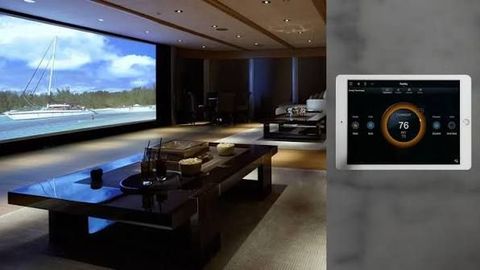
Smart home climate technology connects heating, ventilation, air-conditioning, thermostats, sensors, and energy-monitoring systems through digital controls and automation platforms.
A connected climate system can allow homeowners to monitor indoor conditions, adjust temperature settings, create schedules, and coordinate HVAC equipment with occupancy or other household routines.
The exact capabilities depend on the HVAC equipment, thermostat, sensors, home network, automation platform, climate, building design, and installation.
Why Smart Home Climate Management Matters
Heating and cooling requirements can change throughout the day because of outdoor temperature, occupancy, sunlight, building insulation, and household activity.
Connected climate systems can help homeowners manage:
Indoor temperature
Heating schedules
Cooling schedules
Humidity
Occupancy-based settings
Remote temperature controls
Energy monitoring
HVAC alerts
Air-quality information
Connected ventilation
A smart approach focuses on matching HVAC operation with actual household requirements rather than simply adding more automated controls.
What Is a Smart Home Climate System?
A smart home climate system combines connected HVAC equipment with digital controls and sensors.
A typical system may include:
Smart thermostat
Temperature sensors
Humidity sensors
HVAC equipment
Air-quality sensors
Smart vents
Home automation hub
Energy monitor
Mobile application
Connected network
Some systems operate primarily through a thermostat, while others coordinate multiple devices through a broader home automation platform.
Smart Thermostats
A smart thermostat is often the central control point for connected home climate management.
Depending on the model, features may include:
Programmable schedules
Remote temperature control
Occupancy detection
Learning features
Multiple temperature sensors
Energy reports
HVAC alerts
Mobile applications
Integration with other smart-home devices
Compatibility is important because not every smart thermostat works with every HVAC configuration.
Before installation, users should verify compatibility with the existing equipment and follow manufacturer requirements.
Temperature Sensors
Additional temperature sensors can help identify differences between rooms or areas of a home.
They may be useful when:
Bedrooms have different temperatures
Upper floors become warmer
Certain rooms receive more sunlight
Occupancy varies between areas
A central thermostat does not represent the entire home
Sensors can provide additional information for automation, although the usefulness depends on placement and the HVAC system's control capabilities.
Occupancy-Based Climate Controls
Some connected climate systems can use occupancy information to modify temperature settings.
For example, a system may use:
Motion sensors
Occupancy sensors
Smartphone presence
Scheduled routines
Home and away modes
Occupancy-based automation can help align HVAC operation with household activity.
However, sensors may not always detect occupants accurately, particularly when people remain still for extended periods. Automation should therefore be configured around realistic household routines.
Smart Heating Controls
Connected heating systems can provide digital scheduling and remote control.
Possible features include:
Time-based heating schedules
Remote adjustments
Temperature alerts
Zone controls
Occupancy-based settings
Integration with home automation
Heating requirements vary significantly according to climate, building construction, equipment type, and household preferences.
Smart Cooling and Air Conditioning
Connected cooling systems can provide similar controls for air-conditioning equipment.
Features may include:
Cooling schedules
Remote control
Temperature monitoring
Humidity information
Occupancy-based settings
Equipment notifications
Energy-use information
Some systems can also coordinate cooling with other home automation functions.
Actual energy performance depends on equipment efficiency, building conditions, temperature settings, maintenance, weather, and operating patterns.
Zoned Climate Control
Zoned HVAC systems divide a property into separate temperature-control areas.
A zoning system may use:
Multiple thermostats
Temperature sensors
Motorized dampers
Zone controllers
Smart-home integrations
Zoning can provide more individualized temperature control, but system design and installation requirements vary.
A zoning configuration should be compatible with the HVAC equipment and building design.
Humidity Monitoring
Temperature is not the only factor affecting indoor comfort.
Connected humidity sensors can provide information about moisture levels inside the home.
Humidity monitoring can help users identify:
Unusual humidity changes
Areas requiring further investigation
HVAC-related conditions
Seasonal indoor-environment patterns
Humidity controls may be integrated with compatible HVAC or dehumidification equipment.
Indoor Air Quality and Climate Systems
Some smart climate systems also monitor indoor air conditions.
Depending on the equipment, sensors may measure indicators such as:
Particulate matter
Carbon dioxide
Volatile organic compounds
Humidity
Temperature
Air-quality measurements should be interpreted carefully. A sensor reading alone does not necessarily establish the cause of an indoor-air problem.
Ventilation, filtration, moisture management, building conditions, and other factors can influence indoor air quality.
Smart Vents and Airflow Management
Connected vents can allow users to manage airflow in selected areas.
Potential features include:
Automated vent adjustments
Room-based temperature controls
Scheduling
Occupancy-based airflow settings
Integration with thermostats
Smart vents should be compatible with the HVAC system. Incorrect airflow management can affect system performance, so significant HVAC modifications should be evaluated appropriately.
Climate and Energy Monitoring
Energy monitoring can provide information about how HVAC operation relates to household electricity use.
A monitoring system may track:
Total household electricity use
HVAC-related consumption
Heating periods
Cooling periods
Daily usage patterns
Seasonal trends
Peak consumption
Energy data can help homeowners understand when climate systems operate most frequently.
The available level of detail depends on the monitoring equipment and electrical configuration.
Smart Climate Automation
Automation allows climate controls to respond to predefined conditions.
Examples include:
Schedule → Temperature Adjustment
Occupancy Detection → Climate Setting
Outdoor Conditions → HVAC Routine
Home/Away Mode → Temperature Schedule
Automation can reduce manual adjustments, but routines should be tested to ensure they operate as intended.
Home and Away Climate Modes
Many smart thermostats support home and away configurations.
A home mode may maintain the preferred comfort settings, while an away mode may use different temperature settings based on the household's schedule.
Users can also create:
Night mode
Vacation mode
Workday mode
Weekend mode
Custom schedules
The appropriate settings depend on the household and climate.
Smart Home Climate and Energy Efficiency
Connected controls can provide useful information and automation, but equipment efficiency remains important.
Practical considerations include:
Maintain HVAC equipment according to manufacturer guidance
Replace or clean filters as appropriate
Avoid unnecessary heating or cooling
Use schedules that match household routines
Review unusual energy patterns
Check doors and windows for unwanted air leakage
Consider building insulation and weatherization
Use appropriate temperature settings
Review HVAC performance periodically
Smart controls work best when combined with properly maintained equipment and suitable building conditions.
Smart Climate Network Security
Connected HVAC systems can become part of the home's digital network.
Users should consider:
Strong account credentials
Multi-factor authentication where available
Router security
Firmware updates
Secure mobile applications
Device permissions
Network segmentation where appropriate
Removal of unused accounts
A connected thermostat may not appear as security-sensitive as a smart lock or camera, but compromised connected devices can still create privacy or network-security concerns.
Smart Climate Privacy
Climate systems can potentially reveal information about household routines.
For example, data about:
Temperature schedules
Occupancy
Device activity
Home and away modes
Energy consumption
could provide information about how a property is used.
Users should review privacy policies, data-retention settings, account permissions, and third-party integrations before connecting climate equipment to broader platforms.
Connected HVAC Maintenance
Smart HVAC systems can provide useful alerts, but connected monitoring does not replace physical maintenance.
Depending on the system, users may receive notifications concerning:
Filter conditions
Temperature abnormalities
Equipment faults
Connectivity problems
Maintenance reminders
Actual maintenance requirements depend on the equipment and manufacturer instructions.
Qualified HVAC professionals should handle work that requires technical, electrical, refrigerant, or equipment-specific expertise.
Smart Home Climate Planning Checklist
Before implementing connected climate technology, homeowners can consider:
Identify the existing HVAC configuration
Verify thermostat compatibility
Determine whether additional temperature sensors are useful
Review heating and cooling schedules
Consider occupancy-based controls
Evaluate zoning requirements
Review humidity monitoring
Consider indoor-air-quality sensors where appropriate
Evaluate HVAC energy monitoring
Secure connected accounts
Update device firmware
Review privacy settings
Check automation routines
Plan for internet or power interruptions
Follow manufacturer maintenance requirements
Recent Developments in Smart Home Climate Technology
Smart climate technology is increasingly integrating HVAC controls with energy monitoring, occupancy information, home automation platforms, and connected energy systems.
Artificial intelligence and automated analytics may also be used in some platforms to identify patterns and adjust selected settings.
Another development is the integration of climate systems with broader residential energy management. Homes with solar generation, battery storage, or electric vehicles may increasingly coordinate electricity use with HVAC operation.
The capabilities and benefits vary according to equipment, climate, building design, utility infrastructure, and software platform.
Tools and Resources
Useful resources for smart home climate planning include:
Smart thermostats
Temperature sensors
Humidity sensors
HVAC monitoring systems
Energy-monitoring devices
Smart-home automation platforms
Indoor-air-quality monitors
HVAC manufacturer documentation
Utility energy-management resources
Home energy assessment tools
Qualified HVAC professionals
Qualified electrical professionals
Frequently Asked Questions
What is a smart home climate system?
A smart home climate system connects HVAC equipment, thermostats, sensors, monitoring tools, and automation platforms to help manage indoor temperature and related environmental conditions.
Can a smart thermostat control an existing HVAC system?
Many smart thermostats can work with compatible existing HVAC systems, but compatibility depends on the equipment, wiring, power requirements, and thermostat specifications.
Can smart climate controls reduce energy use?
Connected controls can help manage schedules and reduce unnecessary HVAC operation, but actual results depend on equipment efficiency, building conditions, climate, settings, and household behavior.
What sensors are useful for smart home climate management?
Temperature and humidity sensors are common. Some systems also use occupancy and indoor-air-quality sensors depending on the desired functionality.
Does a smart HVAC system require internet access?
Some features can operate locally, while others depend on cloud connectivity. The specific requirements vary by thermostat, HVAC equipment, and automation platform.
Conclusion
Smart home climate systems connect HVAC equipment with thermostats, sensors, monitoring tools, and automation features to provide more flexible control over indoor conditions.
A practical approach starts with understanding the existing HVAC system, verifying device compatibility, identifying useful sensors, and creating schedules that match household routines.
Energy monitoring, network security, privacy controls, and appropriate maintenance should also be considered when expanding connected climate technology.

Related Post...