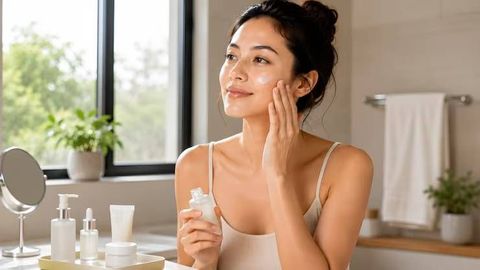
Skincare Tips for Healthy, Glowing Skin Every Day
Healthy daily habits support better-looking skin over time. Good skincare does not require dozens of products or complicated steps.
For general readers, the basics are easier to understand than marketing messages suggest. This article explains simple daily practices, how skin care products fit in, and what to consider when building a routine.
Building a Simple Daily Routine
A consistent routine matters more than an expensive one. Skin responds to regular care, not occasional effort. A basic routine includes cleansing, moisturizing, and protecting skin from the sun. These steps suit most people, though individual needs vary.
Cleansing Gently
Cleansing removes dirt, oil, and sweat that build up during the day. A gentle cleanser is usually enough for most skin types. Harsh scrubbing or over-washing can strip natural oils and leave skin feeling tight or irritated. Many people cleanse twice daily, but those with dry or sensitive skin may prefer once in the evening.
Using Face Moisturizer
A face moisturizer helps maintain the skin barrier and reduce dryness. Even oily skin benefits from light moisturizing, because dehydrated skin can produce more oil to compensate. Applying moisturizer after cleansing, while skin is still slightly damp, can help lock in moisture.
Protecting Skin from the Sun
Sun exposure contributes to premature aging and uneven tone. Daily sun protection supports long-term skin health, even on cloudy days. Many daytime moisturizers include sun protection, which simplifies the routine. Reapplying during long outdoor periods is also helpful.
Understanding Skincare Products and Labels
The skincare market offers many options, which can feel overwhelming. Understanding a few basics helps people choose products that suit their needs. Reading labels and patch testing new items can prevent irritation.
What to Look For
Skincare products generally contain ingredients that cleanse, hydrate, or protect. Common ingredients include glycerin for moisture, niacinamide for tone, and hyaluronic acid for hydration. People with sensitive skin may benefit from fragrance-free options. Patch testing a small area before full use is a practical step.
Organic Skincare Products
Organic skincare products use ingredients grown without certain synthetic pesticides. Some people prefer them for personal or environmental reasons. However, natural and organic do not automatically mean gentler; plant-based ingredients can still cause reactions. Patch testing remains important, and claims on packaging should be read carefully rather than assumed.
Korean Skin Care Habits
Korean skin care is known for gentle, layered routines. It emphasizes hydration, thin layers, and consistency rather than harsh treatments. Many routines include double cleansing, essences, and moisturizers applied in multiple light layers.
Key Ideas from Korean Skin Care
Korean skin care often focuses on maintaining a healthy skin barrier and avoiding irritation. Double cleansing uses an oil-based cleanser followed by a water-based one to remove makeup and sunscreen gently. Layering thin products allows hydration without heaviness. These habits can suit many skin types when adapted to individual needs.
Adapting Rather Than Copying
Not every step suits everyone. A ten-step routine is not required for healthy skin. People can adopt one or two habits, such as gentle layering or double cleansing, and skip steps that feel unnecessary. Consistency matters more than the number of products used.
Caring for Skin Beyond Products
Caring skin involves more than applying products. Sleep, water intake, and stress levels affect how skin looks. Smoking and excess alcohol can also influence skin appearance. These factors do not replace a routine, but they support it.
Sleep and Stress
Skin repairs itself during sleep, and poor sleep may show in dullness or puffiness. Managing stress is also relevant, as stress can trigger breakouts or irritation in some people. Simple habits like regular sleep schedules and short breaks can help.
Diet and Hydration
Water intake supports overall body function, including skin hydration. A balanced diet provides nutrients that support skin health. No single food guarantees glowing skin, and claims about specific diets should be treated with caution. General balance is more reliable than quick fixes.
Common Habits That May Hinder Skin
Some everyday habits work against skin health without people realizing. Being aware of them can help.
Over-exfoliating can damage the skin barrier and cause irritation.
Skipping sun protection undoes much of the benefit of other steps.
Using too many new products at once makes it hard to identify problems.
Touching the face often transfers dirt and bacteria.
Sleeping with makeup on can clog pores and cause breakouts.
Questions People Often Ask
How long before skin looks better?
Skin renewal takes time, so changes usually appear over weeks, not days. A consistent routine for several weeks gives a clearer picture. Results vary by person and by the products used.
Do expensive products work better?
Price does not automatically indicate effectiveness. Ingredients, formulation, and suitability for a person’s skin type matter more. Affordable options can work well when chosen appropriately.
Is a face moisturizer necessary for oily skin?
Yes, most oily skin still benefits from light moisturizing. Dehydrated skin can produce more oil, so a suitable moisturizer can support balance. Gel-based options often suit oily skin.
Can Korean skin care suit sensitive skin?
Many Korean skin care routines emphasize gentle, hydrating steps that can suit sensitive skin. However, individual products vary, and patch testing is still important before regular use.
Are organic skincare products safer?
Not always. Organic ingredients can still cause reactions, and safety depends on formulation and individual skin. Patch testing and reading ingredient lists are practical steps.
The table below summarizes simple steps and their purpose.
| Step | Purpose |
|---|---|
| Gentle cleansing | Removes dirt and oil without stripping skin |
| Face moisturizer | Supports the skin barrier and hydration |
| Sun protection | Helps prevent sun-related skin changes |
| Patch testing | Checks for reactions before full use |
Conclusion
Healthy, glowing skin usually comes from simple, consistent habits rather than complex routines. Gentle cleansing, a suitable face moisturizer, and daily sun protection form a practical base. Korean skin care offers useful ideas, and organic skincare products can suit some people, but neither replaces the need to observe how skin responds. Paying attention to sleep, stress, and general balance supports the routine further.

Related Post...