How to Become a Radiology Technician in Canada
Becoming a radiology technician in Canada requires formal education. The role involves operating imaging equipment to help diagnose injuries and diseases.
In Canada, this profession is officially classified as a medical radiation technologist, with radiological technologists forming a major group within it . The path to this career is structured and regulated, ensuring that practitioners meet safety and competency standards. Understanding the educational and licensing steps is essential for anyone considering this field.
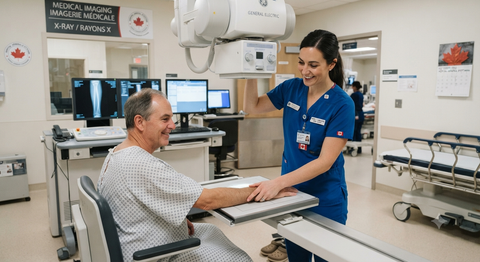
The work of a radiology technician goes beyond simply taking pictures. These professionals operate X-ray, computed tomography, and other imaging equipment. They also prepare patients, ensure image quality, and work closely with the healthcare team . Because radiation is involved, strict safety protocols are a core part of the job. The demand for these skills exists in hospitals, clinics, and independent imaging facilities across the country.
Education and Training Pathways
The foundation of a career as a radiology technician in Canada is completing an approved post-secondary program. These programs are designed to provide both theoretical knowledge and hands-on clinical experience. Without graduation from an accredited program, a candidate cannot proceed to certification and licensure.
Approved Program Requirements
Prospective students typically need to complete a two- to three-year college or university program in diagnostic radiography . Several institutions across Canada offer these programs. For example, some programs combine a bachelor's degree with an advanced diploma over three years of full-time study . Others offer an Ontario College Advanced Diploma through a three-year program that includes multiple clinical placements .
Admission requirements for these programs generally include high school courses in English, mathematics, biology, and physics. Some institutions specify minimum grades in these subjects and may also require an interview or additional post-secondary courses like medical terminology and anatomy . Because these programs are competitive, meeting the minimum requirements does not guarantee admission.
Supervised Practical Training
Classroom learning is paired with supervised practical training in clinical settings. This component is mandatory and allows students to apply their skills with real patients and equipment under professional supervision . Clinical placements are integrated into the educational program and are essential for developing competence before entering the workforce.
Certification and Licensing
After completing an approved educational program, the next step is obtaining the necessary credentials to practice. Canada has a national certification body and provincial regulatory requirements that vary by location.
National Certification
Certification by the Canadian Association of Medical Radiation Technologists is a standard requirement in most provinces . Graduates of accredited programs are eligible to write the national certification examination . Passing this exam demonstrates that the candidate has met the national competency standards for the profession. This certification is a key credential for employers across the country.
Provincial Licensure and Registration
The regulation of radiology technicians is handled at the provincial or territorial level. The specific requirements depend on where a person intends to work.
| Province / Territory | Typical Regulatory Requirement |
|---|---|
| Nova Scotia, New Brunswick, Quebec, Ontario, Saskatchewan, Alberta | Licensure with a provincial regulatory body is required |
| Newfoundland and Labrador, Prince Edward Island, Manitoba, Northwest Territories | Membership with a provincial association is required |
| British Columbia, Quebec | CAMRT certification is not required (though other requirements apply) |
It is important to note that licensing requirements are subject to change. Individuals should always verify the current rules with the regulatory authority in the province or territory where they plan to work. For those who are already certified in one province, moving to another is often easier due to labour mobility agreements, but the certification must still be recognized by the new jurisdiction .
Career Scope and Workplace Settings
Radiology technicians find employment in a variety of healthcare environments. The skills acquired through education and certification are transferable across different settings. Common workplaces include community and teaching hospitals, independent imaging centres, and doctor's offices . Some technologists also work in mobile radiology services that bring imaging equipment to different locations.
The role may involve specialization or advancement over time. With experience and additional training, a technologist can move into areas such as computed tomography, magnetic resonance imaging, or interventional radiology. Some professionals transition into education, management, or equipment sales and support . The profession offers a stable career path within the Canadian healthcare system.
Frequently Asked Questions
How long does it take to become a radiology technician in Canada?
The typical path takes two to three years of full-time study in an approved program . This is followed by certification and licensure, which can add additional time depending on exam schedules and application processing.
Is certification mandatory to work as a radiology technician?
Yes, in most provinces, certification through the Canadian Association of Medical Radiation Technologists is required or expected by employers . It is a standard credential that signals the individual has met national competency standards.
Can internationally educated technologists work in Canada?
Internationally educated professionals must have their credentials assessed to determine if their training is equivalent to Canadian standards . The process for obtaining licensure or certification varies by province, and candidates should contact the relevant regulatory body for specific instructions.
What is the difference between a radiology technician and a radiologist?
A radiology technician operates imaging equipment and performs the technical aspects of imaging procedures. A radiologist is a medical doctor who interprets the images and provides diagnoses. They work together, but the educational paths and responsibilities are distinct.
Conclusion
The path to becoming a radiology technician in Canada involves focused education, national certification, and provincial licensure. It is a structured process designed to ensure that professionals are competent and that patient safety is protected. By completing an approved program, passing the certification exam, and meeting provincial requirements, individuals can enter a field that plays a vital role in modern healthcare. For those interested in the technical side of medicine, this career offers a clear and regulated route.

Related Post...