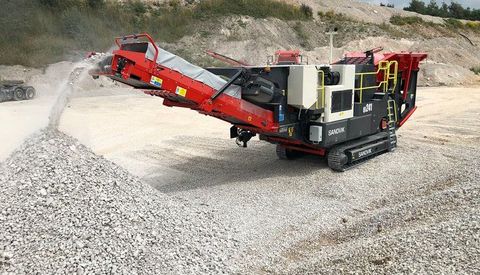
Rough Terrain Forklifts: Tips to Know Before Choosing the Right Equipment
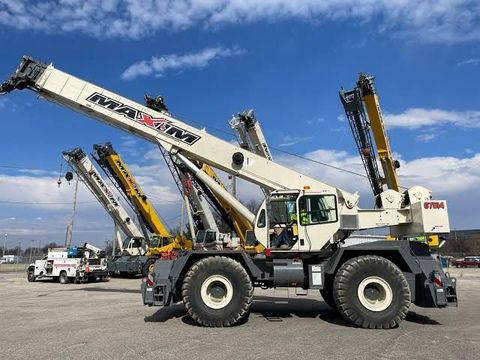
Rough terrain forklifts are material-handling machines designed to move and position loads across uneven, loose, or outdoor surfaces.
Unlike forklifts intended mainly for smooth warehouse floors, these machines are built around features such as large tires, increased ground clearance, and a structure suited to outdoor working conditions.
They are commonly used around construction areas, agricultural locations, landscaping projects, lumber yards, and other environments where paved surfaces may not be available. Their development reflects the need to transport heavy materials safely across ground that can include gravel, soil, mud, slopes, or partially prepared surfaces.
How Rough Terrain Forklifts Work
A rough terrain forklift generally combines a lifting mast, forks, counterweight, engine or motor system, and large tires designed for outdoor movement. Some models also include four-wheel drive, adjustable steering modes, and attachments for different load-handling tasks.
The operating environment has a direct effect on equipment selection. Important considerations include:
- Surface condition and ground stability
- Maximum load weight
- Required lifting height
- Travel distance
- Available working space
- Weather and environmental conditions
Understanding these factors helps distinguish a machine intended for construction areas from one designed for lighter outdoor material movement.
Importance
Choosing suitable rough terrain forklifts matters because uneven ground can create handling challenges that are less common on smooth indoor floors. A machine with unsuitable capacity, tire configuration, or ground clearance may have difficulty maintaining stability while carrying a load.
Operators and site managers should consider the complete working environment rather than focusing only on lifting capacity. Load dimensions, slope conditions, turning space, visibility, and surface changes can all influence how the equipment performs.
Key Selection Factors
Load capacity is one of the primary specifications to examine. The rated capacity should correspond with the weight and dimensions of the materials being handled. Lifting height is also important because the machine's capacity can change at different mast positions.
| Factor | What to Examine | Why It Matters |
|---|---|---|
| Load capacity | Maximum rated load | Determines suitable material weight |
| Lift height | Maximum required elevation | Helps match the mast configuration |
| Tire type | Pneumatic or specialized tires | Influences outdoor movement |
| Ground clearance | Distance beneath the machine | Helps with uneven surfaces |
| Drive system | Two-wheel or four-wheel drive | Affects traction requirements |
| Turning radius | Space needed to maneuver | Important for restricted areas |
Fuel type and operating duration can also influence equipment selection. Depending on the application, users may encounter diesel, gasoline, or alternative power configurations. Local operating conditions, ventilation requirements, and expected working hours should be considered together.
Recent Updates
Recent developments in rough terrain forklifts have focused on operator visibility, efficiency, ergonomics, emissions management, and electronic controls. Manufacturers have increasingly incorporated digital displays, improved monitoring systems, and controls designed to provide clearer information during operation.
Technology and Safety Trends
Telematics and onboard monitoring can provide information about operating hours, machine condition, location, and usage patterns. These systems can help organizations understand equipment utilization and identify maintenance requirements.
Another developing area is electrification. Battery-powered rough terrain equipment is gaining attention for applications where reduced exhaust emissions and lower operating noise are relevant. However, battery capacity, charging infrastructure, terrain requirements, and operating duration remain important considerations.
Safety technology is also evolving. Features such as improved visibility, stability monitoring, warning systems, cameras, and operator-assistance technologies can help address common risks associated with outdoor material handling.
Tools and Resources
Several resources can help users compare specifications and understand operating requirements. Manufacturer specification sheets typically provide information about capacity, lifting height, dimensions, turning radius, tire configuration, and operating weight.
Useful Planning Tools
Load-capacity charts are particularly useful because rated capacity can vary according to lift height, load center, and attachment configuration. A simple load assessment can help determine whether a particular machine matches the intended application.
Other useful resources include:
- Equipment specification comparison tables
- Load-weight calculators
- Ground-condition assessment checklists
- Operator manuals
- Workplace safety guidelines
- Equipment inspection checklists
Training materials and operator documentation can also provide information about safe operating procedures, inspection routines, load handling, and site-specific hazards.
FAQs
What are rough terrain forklifts used for?
Rough terrain forklifts are designed for outdoor material handling on uneven or unpaved surfaces. Common applications include construction areas, agricultural operations, landscaping, and lumber handling.
How do I choose rough terrain forklifts for construction?
Consider load capacity, lifting height, ground clearance, tire configuration, traction, turning space, and the condition of the work surface. The machine should correspond with the actual load and site requirements.
Are rough terrain forklifts suitable for uneven ground?
They are specifically designed for outdoor terrain that may be uneven or unpaved. However, operating limits depend on the machine specifications, surface conditions, slope, load, and manufacturer instructions.
What affects rough terrain forklift stability?
Load weight, load position, lifting height, slope, ground condition, turning movement, and attachment configuration can all influence stability. Proper load positioning and operation within rated limits are important.
What technology is used in modern rough terrain forklifts?
Modern equipment may include digital displays, telematics, cameras, monitoring systems, electronic controls, and operator-assistance features. Some newer models also use battery-electric power systems.
Conclusion
Rough terrain forklifts are designed for material handling where uneven outdoor surfaces create different operating requirements from conventional warehouse environments. Selecting suitable equipment involves examining capacity, lifting height, tires, ground clearance, traction, and maneuverability. Recent developments have added digital monitoring, improved operator-assistance features, and greater interest in electric power systems. Understanding the work environment and equipment specifications provides a clearer basis for evaluating different configurations.

Related Post...
Diesel Generator Sets: Guide to Reliable Backup Power When Every Second Matters
Updated: September 26, 2026
Read More
Asphalt Pavers: Explore the Latest Features Before Your Next Road Project
Updated: September 26, 2026
Read More