Roofing Overview: Important Details Every Homeowner Should Understand
Roofing is the protective system installed over a building to help manage rain, wind, sunlight, snow, and temperature changes.
A modern roof can include structural decking, underlayment, flashing, drainage components, insulation, and an exterior covering such as asphalt shingles or metal roofing.
For homeowners, understanding roofing helps explain the difference between routine roof maintenance, roof repair, and roof replacement. A roofing contractor or roofing company may assess the roof condition, identify areas of deterioration, and explain whether a localized repair or a larger project is appropriate.
Residential roofing is generally designed around the size, shape, climate, and construction of a home. Commercial roofing can use different assemblies, including low-slope or flat roof systems, and may involve materials such as single-ply membranes, modified bitumen, built-up roofing, or metal panels.
How roofing systems developed
Traditional roofs often relied on locally available materials such as wood, clay, slate, or thatch. Industrial manufacturing later expanded the use of asphalt shingles, metal panels, membranes, and engineered roofing materials.
Today, roofing systems are designed as combinations of materials rather than a single surface. Proper interaction between the roof covering, ventilation, drainage, flashing, and building structure can influence moisture control and long-term performance.
Importance
A roof is one of the main parts of a building envelope. When water enters through damaged flashing, cracked materials, blocked drainage paths, or deteriorated roof coverings, it can affect insulation, ceilings, walls, and interior finishes.
Roof inspection can help identify visible deterioration before it becomes more extensive. A professional roof inspection may examine shingles or panels, flashing, penetrations, drainage areas, ventilation, and signs of moisture intrusion.
Repair, replacement, and installation
Roof repair is generally associated with correcting a limited problem, such as damaged shingles, flashing defects, or a localized leak. Roof replacement involves removing some or all of an existing roof assembly and installing a new one.
New roof installation is usually part of new construction, while roof replacement is performed on an existing building. The appropriate approach depends on the roof's condition, design, materials, local requirements, and the extent of damage.
| Roofing situation | Typical focus | Common considerations |
|---|---|---|
| Minor roof damage | Local roof repair | Damaged shingles, flashing, or small affected areas |
| Aging roof | Roof replacement | Material condition, ventilation, decking, and drainage |
| New construction | Roof installation | Building design, code requirements, and material selection |
| Flat or low-slope roof | Flat roof repair or replacement | Drainage, membranes, seams, and penetrations |
| Storm impact | Storm damage roof repair | Wind, hail, fallen objects, and documentation |
Common roofing materials
Asphalt shingle roofing is widely used in residential construction because it is available in several styles and is compatible with many roof designs. Metal roofing includes panels made from materials such as steel or aluminum and can be used in both residential and commercial settings.
Other roofing materials include clay or concrete tile, slate, synthetic products, and membrane systems. A roofing material supplier may provide specifications, installation requirements, and compatibility information for particular products.
Recent Updates
Roofing practices from 2024 through 2026 have continued to emphasize energy performance, weather resilience, material durability, and documentation. In many areas, property owners and building professionals are paying closer attention to roof reflectivity, insulation, ventilation, drainage, and resistance to severe weather.
Weather resilience
Storm-related roof damage remains an important consideration in regions exposed to hurricanes, hail, high winds, or severe thunderstorms. Storm damage roof repair and hail damage roof repair can involve inspection, photographs, measurements, and documentation of affected areas.
Roof leak detection has also become more methodical. Moisture meters, infrared equipment, electronic leak detection, and other diagnostic approaches may help locate moisture pathways that are not obvious from the interior of a building.
Commercial and industrial developments
Commercial roofing and industrial roofing increasingly involve larger roof areas, complex penetrations, mechanical equipment, drainage systems, and planned maintenance programs. Commercial roofing systems may include single-ply membranes, coatings, modified bitumen, built-up roofing, or metal assemblies.
Roof coating systems are also used on some existing roofs when the underlying assembly is suitable for that approach. Commercial roof coating can be part of a broader roof management plan, but its suitability depends on substrate condition, moisture levels, drainage, and manufacturer requirements.
Laws or Policies
In the United States, roofing work is shaped by building codes, local permitting requirements, manufacturer installation instructions, workplace safety rules, and state or local contractor regulations. Requirements can vary substantially between jurisdictions.
Building codes and permits
The International Code Council's model codes are used as a basis for many local building regulations, although each jurisdiction determines which code and amendments apply. Roof installation, structural changes, reroofing, fire resistance, wind resistance, and other aspects may require compliance with locally adopted provisions.
Permits may be required for roof replacement or structural work, while some jurisdictions have different rules for limited repairs. Property owners should therefore treat local building department requirements as the controlling source for a specific project.
Insurance and storm damage
Insurance policies can have specific provisions for wind, hail, water intrusion, exclusions, deductibles, documentation, and claim procedures. Insurance roof replacement is not automatically applicable to every damaged roof; coverage depends on the policy and the circumstances of the loss.
Roofing insurance claims commonly involve photographs, inspection findings, repair estimates, dates of damage, and other documentation requested by the insurer. A roof damage assessment can help establish the visible condition of the roof, but insurance decisions are made under the applicable policy terms.
Tools and Resources
Several resources can help homeowners understand roofing decisions without relying on technical terminology.
Inspection and planning tools
A roof inspection checklist can help organize observations such as damaged shingles, missing flashing, blocked gutters, ponding water, exposed fasteners, and signs of moisture. Measurements and photographs can also create a useful record for maintenance planning.
For larger buildings, roofing engineering and roof project management can involve drawings, material specifications, inspection records, drainage calculations, warranties, and maintenance schedules. Commercial roofing solutions may require coordination among building owners, engineers, contractors, manufacturers, and other professionals.
Product and code resources
Roofing manufacturer documentation can explain approved installation methods, material compatibility, fastening patterns, ventilation requirements, and limitations. Local building departments can provide information about permits and adopted codes.
A roofing contractor USA search may identify contractors operating in different states, but licensing and registration requirements should be checked with the relevant state or local authority. For larger properties, a commercial roofing contractor or industrial roofing contractor may have experience with larger roof assemblies and specialized access requirements.
FAQs
What does a roof inspection usually include?
A roof inspection generally examines the visible roof covering, flashing, penetrations, drainage, ventilation, and accessible areas for signs of damage or deterioration. The exact scope varies according to the building and inspection purpose.
When is residential roof replacement needed?
Residential roof replacement may be considered when an existing roof has extensive deterioration, repeated problems, widespread material failure, or damage that cannot be appropriately addressed through limited repairs. The decision depends on the roof's condition and the characteristics of the building.
What is the difference between flat roof repair and flat roof replacement?
Flat roof repair addresses a limited defect, such as a damaged membrane area, seam, flashing component, or penetration. Flat roof replacement involves replacing a larger portion or the complete roof assembly and may also involve changes to insulation, drainage, or decking.
How does roof leak detection work?
Roof leak detection can use visual inspection, moisture meters, infrared equipment, electronic methods, or controlled water testing. The appropriate method depends on the roof construction and the suspected pathway of moisture.
What are commercial roof replacement considerations?
Commercial roof replacement may involve roof size, drainage, insulation, existing membrane condition, equipment penetrations, building use, code requirements, access, and project sequencing. Commercial roof replacement contractor selection may also depend on experience with the particular roof system and project scale.
Conclusion
Roofing is a layered building system that helps protect homes and commercial structures from weather and moisture. Understanding materials, inspections, maintenance, repair, replacement, installation, and local requirements can make roofing terminology easier to interpret. Current roofing practices increasingly emphasize weather resilience, energy performance, moisture control, and documentation. For any specific building, applicable codes, insurance terms, manufacturer instructions, and site conditions determine the appropriate requirements.

Related Post...

Bathroom Remodeling Explained: A Complete Guide to Design, Planning, and Renovation Insights
Updated: February 04, 2026
Read More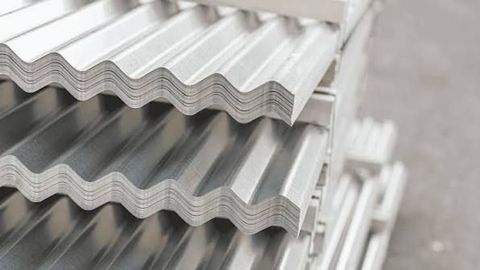
Roofing Overview: Important Details Every Homeowner Should Understand
Updated: September 08, 2026
Read More