How Smart Home Technology Is Changing Everyday Life in Turkey
Technology has become an essential part of daily life, and smart home technology is rapidly transforming how people live, work, and manage their homes.
In Turkey, increasing internet connectivity, affordable smart devices, and growing awareness of energy efficiency have accelerated the adoption of smart home solutions. From automated lighting and intelligent security systems to voice-controlled appliances, Turkish households are embracing a new era of convenience and efficiency.
As urbanization continues and smart city initiatives gain momentum, smart home technology is becoming more accessible to homeowners and renters across Turkey. This shift is reshaping everyday routines while improving comfort, security, and sustainability.
What Is Smart Home Technology?
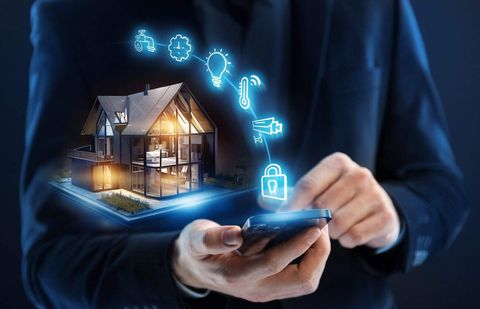
Smart home technology refers to a network of connected devices that can communicate with each other and be controlled remotely through smartphones, tablets, or voice assistants. These devices use Internet of Things (IoT) technology to automate various household functions.
Common smart home devices include:
- Smart lighting systems
- Smart thermostats
- Security cameras
- Smart locks
- Motion sensors
- Voice assistants
- Smart appliances
- Energy monitoring systems
These technologies help users manage their homes more efficiently while reducing manual effort.
Enhanced Home Security
One of the biggest reasons Turkish homeowners invest in smart home technology is improved security.
Modern smart security systems offer features such as:
- Real-time video monitoring
- Remote access to security cameras
- Motion detection alerts
- Smart doorbells
- Automated door locks
- Emergency notifications
Homeowners can monitor their properties from anywhere using mobile applications. This is particularly valuable for people who travel frequently or own vacation homes in coastal regions.
Smart security solutions provide greater peace of mind and allow families to respond quickly to potential security threats.
Energy Efficiency and Cost Savings
Energy efficiency has become increasingly important due to rising utility costs and environmental concerns.
Smart home technology helps Turkish households reduce energy consumption through:
Smart Thermostats
Smart thermostats automatically adjust heating and cooling based on occupancy patterns and weather conditions. This helps reduce unnecessary energy usage.
Smart Lighting
Automated lighting systems can switch off lights when rooms are unoccupied and adjust brightness levels according to natural light availability.
Energy Monitoring
Smart energy management systems provide real-time insights into electricity usage, helping families identify areas where energy can be saved.
Over time, these technologies contribute to lower utility bills and a reduced environmental footprint.
Increased Convenience in Daily Life
Smart home devices simplify many everyday tasks.
Residents can control multiple household systems through a single mobile application or voice command. Common examples include:
- Turning lights on and off remotely
- Adjusting room temperatures
- Controlling entertainment systems
- Scheduling appliance operations
- Managing home security settings
This level of automation saves time and improves overall convenience, especially for busy families and working professionals.
Smart Appliances Are Becoming More Popular
The demand for smart appliances is growing across Turkey.
Popular smart appliances include:
- Smart refrigerators
- Washing machines
- Dishwashers
- Robotic vacuum cleaners
- Smart ovens
These appliances can be programmed, monitored, and controlled remotely. Many also provide maintenance notifications and energy consumption reports, helping users optimize performance and reduce costs.
Supporting Elderly and Disabled Residents
Smart home technology is also improving accessibility for elderly individuals and people with disabilities.
Voice-controlled devices and automated systems allow users to perform everyday tasks with minimal physical effort.
Benefits include:
- Voice-activated lighting
- Automated door controls
- Emergency alert systems
- Health monitoring devices
- Remote assistance capabilities
These solutions enhance independence while providing additional safety and support.
Growth of Smart Residential Developments
Turkey's real estate sector is increasingly integrating smart home features into new residential projects.
Modern apartments and housing communities often include:
- Smart access control
- Centralized building management systems
- Automated climate control
- Integrated security networks
- Smart parking solutions
Developers recognize that smart home features add value and attract technology-conscious buyers.
Integration with Smart Cities
Turkey is investing in smart city initiatives that complement smart home adoption.
As urban infrastructure becomes more connected, homeowners can benefit from:
- Intelligent transportation systems
- Smart utility management
- Enhanced public safety networks
- Improved digital services
The integration of smart homes with broader urban technology ecosystems is expected to create more efficient and sustainable living environments.
Challenges Facing Smart Home Adoption
Despite its advantages, several challenges remain:
Initial Costs
High-quality smart home systems may require significant upfront investment.
Cybersecurity Concerns
Connected devices can be vulnerable to cyber threats if not properly secured.
Internet Dependence
Most smart home solutions rely on stable internet connectivity to function effectively.
Technical Complexity
Some users may find installation and setup challenging without professional assistance.
However, as technology advances and prices become more affordable, these barriers are gradually decreasing.
Future of Smart Homes in Turkey
The future of smart home technology in Turkey looks promising. Advancements in artificial intelligence, machine learning, and IoT connectivity will continue to expand the capabilities of smart devices.
Future developments may include:
- AI-powered home assistants
- Predictive energy management
- Advanced home security analytics
- Fully automated household operations
- Greater integration with smart city infrastructure
As adoption increases, smart homes are expected to become a standard feature rather than a luxury option.
Conclusion
Smart home technology is transforming everyday life in Turkey by making homes safer, more energy-efficient, and significantly more convenient. From intelligent security systems and automated lighting to smart appliances and AI-powered home management, these innovations are changing how Turkish families interact with their living spaces.
As technology becomes more affordable and widely available, smart home adoption will continue to grow across the country. The combination of convenience, security, sustainability, and cost savings makes smart home technology an important part of Turkey's digital future.

Related Post...

Roofing Overview: Important Details Every Homeowner Should Understand
Updated: September 08, 2026
Read More
Bathroom Remodeling Explained: A Complete Guide to Design, Planning, and Renovation Insights
Updated: February 04, 2026
Read More