Recycling Machines: A Comprehensive Guide to Sustainable Waste Management
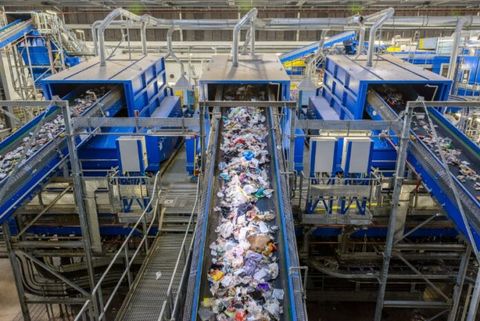
Recycling machines play a central role in modern waste management systems by helping convert discarded materials into reusable resources. These machines are designed to process various types of waste, including plastics, metals, paper, and organic materials, reducing the volume of waste sent to landfills. As urbanization and industrial activity have increased, the need for efficient recycling methods has grown, leading to the development of different types of recycling machines suited for specific materials.
The concept of recycling itself has existed for centuries, but the use of advanced recycling machines became more widespread during the industrial era. Today, these machines are part of structured waste management systems used by municipalities, industries, and small-scale facilities. From simple shredders to automated sorting systems, recycling machines help streamline the process of separating and reprocessing waste.
Understanding how recycling machines work provides insight into how everyday waste can be transformed into valuable materials, supporting a more sustainable approach to resource use.
Importance
Recycling machines are important because they address several environmental and societal challenges. One major issue is the increasing volume of waste generated by growing populations and consumption patterns. Without proper waste management, landfills expand, and pollution levels rise.
By using recycling machines, materials such as plastic, glass, and metal can be reprocessed and reused. This reduces the need for extracting raw resources, which often involves energy-intensive processes and environmental disruption. Recycling machines also help conserve energy, as producing goods from recycled materials generally requires less energy than using new raw materials.
For communities, recycling machines contribute to cleaner surroundings and improved waste handling. They also support circular economy practices, where materials remain in use for longer periods rather than being discarded after a single use.
Key challenges addressed by recycling machines include: waste reduction, resource conservation, pollution control, and efficient material recovery. These benefits make recycling machines a significant part of sustainable waste management systems.
Recent Updates
Recent developments in recycling machines have focused on improving efficiency, automation, and adaptability to different waste streams. Between 2024 and 2026, there has been increased interest in smart recycling systems that use sensors and artificial intelligence to identify and sort materials more accurately.
One notable trend is the integration of machine learning in sorting equipment. These systems can distinguish between different types of plastics or metals based on their composition, improving the quality of recycled materials. Another trend is the development of compact recycling machines designed for smaller facilities or localized waste processing.
Energy efficiency has also become a focus area. Modern recycling machines are being designed to consume less power while maintaining processing capacity. Additionally, modular systems are gaining attention, allowing operators to adjust configurations based on changing waste volumes or types.
The shift toward decentralized recycling, where waste is processed closer to where it is generated, is also influencing how recycling machines are designed and deployed.
Laws or Policies
Recycling machines and waste management practices are influenced by government regulations and environmental policies. In many countries, including India, rules have been established to manage waste more effectively and encourage recycling.
Key regulatory frameworks include waste segregation requirements, where households and businesses are expected to separate waste into categories such as biodegradable, recyclable, and hazardous. This segregation supports the effective use of recycling machines, as properly sorted waste improves processing outcomes.
Extended Producer Responsibility (EPR) policies also play a role. Under EPR, manufacturers are responsible for managing the disposal or recycling of their products after use. This has increased the demand for recycling machines that can handle specific materials like plastics and electronic waste.
Other policies focus on reducing landfill use and promoting recycling infrastructure. Local authorities may implement guidelines for waste collection, processing, and disposal, which indirectly shape how recycling machines are used.
Tools and Resources
Several tools and resources help individuals and organizations understand and manage recycling processes more effectively. These resources provide guidance on waste sorting, recycling methods, and environmental impact.
Common tools and resources include:
- Waste segregation guides, which explain how to separate different types of waste for efficient processing in recycling machines
- Online recycling calculators, which estimate the environmental benefits of recycling certain materials
- Government portals, which provide information on waste management rules and recycling programs
- Educational platforms, which offer learning materials about recycling machines and sustainable practices
- Facility management software, which helps track waste processing and recycling activities
Below is a simple table showing common types of recycling machines and their functions:
| Type of Recycling Machine | Function | Materials Processed |
|---|---|---|
| Shredder | Breaks down waste into smaller pieces | Plastic, paper, metal |
| Baler | Compresses materials into compact bundles | Cardboard, plastics |
| Granulator | Converts waste into granules for reuse | Plastic |
| Magnetic Separator | Separates metals using magnetic force | Ferrous metals |
| Optical Sorter | Uses sensors to identify and sort materials | Plastics, glass |
These tools and machines work together to improve the efficiency of waste management systems.
FAQs
What are recycling machines used for?
Recycling machines are used to process waste materials into forms that can be reused. They help reduce landfill waste and support material recovery.
How do recycling machines support sustainable waste management?
Recycling machines enable the conversion of discarded materials into reusable resources, reducing the need for raw material extraction and lowering environmental impact.
What types of materials can recycling machines handle?
Recycling machines can process materials such as plastics, metals, paper, glass, and organic waste, depending on the type of machine used.
Are recycling machines suitable for small-scale use?
Some recycling machines are designed for smaller operations, allowing localized waste processing in communities or small facilities.
What is the role of recycling machines in industrial waste management?
In industrial settings, recycling machines help manage large volumes of waste efficiently by sorting, processing, and preparing materials for reuse or further treatment.
Conclusion
Recycling machines are an essential component of modern waste management systems, helping transform waste into reusable materials. They address key challenges such as waste accumulation, resource depletion, and environmental impact. Advances in technology continue to improve their efficiency and adaptability. Understanding their role provides valuable insight into how sustainable practices can be supported through effective waste management.

Related Post...
Industry 4.0 Technologies: An Informative Guide to Modern Manufacturing Basics
Updated: September 07, 2026
Read More
Production Technology: A Guide to Modern Manufacturing Systems
Updated: September 01, 2026
Read More