Real-Time Supervision Service Explained: Overview, Basics, and Key Information
Real-time supervision refers to the continuous observation, tracking, and analysis of activities, systems, or processes as they happen. Instead of reviewing information after an event has already occurred, this approach focuses on live data streams that reflect current conditions.
In earlier decades, supervision relied heavily on manual reporting and delayed reviews. As digital infrastructure expanded, sensors, software platforms, and connected devices began producing instant updates. Real-time supervision emerged to transform these updates into actionable insight. Today, it is commonly associated with live dashboards, automated alerts, and continuous analytics that help organizations understand what is happening right now.
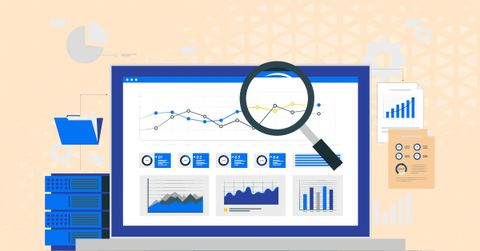
At its core, real-time supervision combines data collection, processing, and visualization. Information is gathered from multiple sources, processed almost instantly, and displayed in a form that is easy to interpret. This cycle repeats continuously, creating an up-to-date picture of ongoing operations.
Why Real-Time Supervision Matters Today
The importance of real-time supervision has grown alongside digital transformation. Many sectors now depend on uninterrupted operations, tight quality control, and fast responses to unexpected changes. Delays in awareness can lead to inefficiencies, compliance risks, or safety issues.
Real-time supervision affects a wide range of stakeholders:
-
Organizations and institutions that rely on continuous processes
-
Managers and decision-makers who need accurate, current information
-
Teams and operators who must respond quickly to alerts or deviations
-
Regulators and auditors who expect transparent and traceable oversight
One of the key problems this approach addresses is information latency. When data arrives too late, opportunities are missed and risks escalate. Real-time supervision reduces this gap by enabling immediate visibility. It also supports consistency by applying the same monitoring logic continuously, rather than intermittently.
Another major benefit is accountability. Live tracking creates clear records of what happened and when, which supports analysis, reporting, and improvement efforts. Over time, this leads to more predictable outcomes and stronger governance.
Key Components and How They Work Together
Real-time supervision is built from several interconnected elements. Each plays a specific role in ensuring that live information is accurate and usable.
-
Data sources such as sensors, applications, or connected devices
-
Transmission layers that move data securely and quickly
-
Processing engines that filter, aggregate, and analyze inputs
-
Visualization tools that present results through dashboards or charts
-
Alert mechanisms that highlight anomalies or thresholds
The interaction between these components is continuous. Data flows from sources to processors, insights appear on dashboards, and alerts trigger responses. This closed loop allows supervision to remain current and relevant at all times.
The table below summarizes these components and their purpose.
| Component | Role in Supervision |
|---|---|
| Data Sources | Capture live information from operations |
| Processing Layer | Analyze and structure incoming data |
| Dashboards | Display insights in real time |
| Alerts | Notify when conditions change |
| Logs | Maintain records for review |
Recent Developments and Trends
Over the past year, several trends have shaped real-time supervision practices. In early 2025, many platforms expanded their use of advanced analytics, enabling faster pattern recognition within live data streams. This shift has helped organizations move from simple observation toward predictive awareness.
Another notable change during mid-2025 has been the increased focus on interoperability. Systems are now designed to integrate data from multiple environments into a single supervisory view. This reduces fragmentation and improves overall clarity.
Cloud-based architectures have also matured. Throughout 2024 and into 2025, improvements in data processing speeds and reliability made it easier to supervise distributed operations in real time. These developments support scalability while maintaining performance.
Cybersecurity considerations have received renewed attention as well. Recent updates emphasize secure data transmission and controlled access, ensuring that real-time supervision remains trustworthy and compliant with evolving standards.
Rules, Regulations, and Policy Influence
Real-time supervision is shaped by regulatory frameworks that emphasize transparency, accuracy, and data protection. In many countries, digital oversight practices must align with information security laws and sector-specific guidelines.
Common regulatory themes include:
-
Data privacy requirements that govern how information is collected and stored
-
Audit and reporting standards that require traceable records
-
Operational compliance rules that mandate continuous oversight in sensitive environments
Government initiatives supporting digital infrastructure have also influenced adoption. Over the last year, policy programs promoting smart systems and digital governance have encouraged broader use of live monitoring frameworks. These policies typically focus on reliability, accountability, and responsible data usage rather than commercial promotion.
Organizations implementing real-time supervision must therefore balance technological capability with regulatory alignment. Clear documentation and transparent processes remain essential.
Tools and Learning Resources
A wide ecosystem of tools supports real-time supervision. These resources focus on monitoring, analytics, and reporting rather than transactions.
Helpful categories include:
-
Live monitoring platforms with customizable dashboards
-
Analytics engines that process streaming data
-
Visualization libraries for charts and graphs
-
Templates for incident tracking and reporting
-
Reference guides explaining supervisory metrics
Common Questions and Clear Answers
What makes real-time supervision different from periodic monitoring?
Real-time supervision updates continuously, while periodic monitoring reviews information at set intervals. The difference lies in immediacy and responsiveness.
Is real-time supervision only relevant for large systems?
No. While large operations benefit significantly, smaller environments also use it to maintain consistency and awareness.
Does real-time supervision replace human judgment?
It supports decision-making by providing accurate information, but interpretation and action still rely on people.
How reliable is real-time data?
Reliability depends on data quality, system design, and validation processes. Well-designed frameworks emphasize accuracy and consistency.
Can real-time supervision support long-term improvement?
Yes. Historical logs generated during live monitoring are valuable for analysis and future planning.
Final Thoughts
Real-time supervision represents a shift from delayed awareness to immediate understanding. By continuously observing and analyzing live information, it helps organizations maintain clarity, respond quickly, and build accountability. Recent advancements in analytics, integration, and security have strengthened its role across many sectors.
As digital environments continue to evolve, real-time supervision remains a foundational concept. Its value lies not in promotion or transactions, but in knowledge, oversight, and informed action. Understanding its basics and context allows readers to appreciate why live supervision has become an essential part of modern operations.

You may also like...

Remote Desktop Solution Guide: Explore Setup Basics, Security Tips, and Tools
Last Update: March 23, 2026
Read
Understand Print Advertising: Resources and Knowledge for Modern Marketers
Last Update: March 25, 2026
Read
Fleet Tracking System Guide: Explore GPS Monitoring, Basics, and Key Insights
Last Update: March 18, 2026
Read