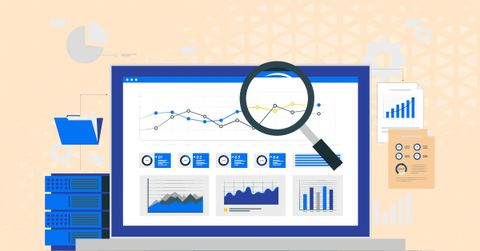
This type of software exists because real estate transactions involve multiple steps, documents, follow-ups, and stakeholders. Managing this information manually or across disconnected tools can lead to missed opportunities, errors, or delays. CRM systems provide a centralized platform where data related to clients and properties can be stored, updated, and accessed efficiently.
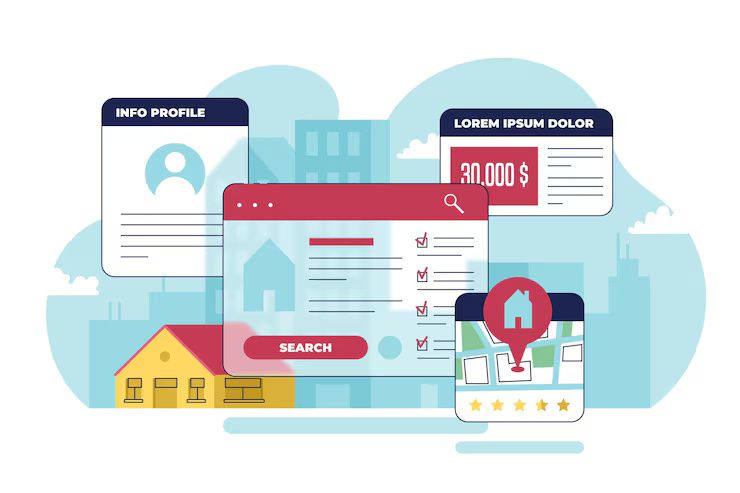
As the real estate sector has become more competitive and data-driven, digital tools like CRM software have become increasingly relevant. They support structured record-keeping and consistent communication without replacing professional judgment or personal interaction.
Importance
Real estate CRM software matters today because of the growing complexity of property transactions and the increasing expectations of clients for timely and transparent communication.
Why real estate CRM software is important today
-
Real estate professionals handle multiple clients and properties simultaneously
-
Clients expect timely responses and accurate information
-
Property data needs to be updated regularly
-
Regulatory documentation has become more detailed
CRM software helps bring structure to these activities by organizing data and automating routine tasks.
Who it affects
Real estate CRM software is used by:
-
Real estate agents and brokers
-
Property consultants
-
Developers and builders
-
Property management firms
-
Real estate teams and agencies
It is relevant for both residential and commercial real estate operations.
Problems real estate CRM software helps address
| Common Challenge | How CRM Software Helps |
|---|---|
| Scattered client data | Centralized information storage |
| Missed follow-ups | Automated reminders |
| Property listing confusion | Organized inventory management |
| Communication gaps | Logged interactions and notes |
| Team coordination issues | Shared access and role-based views |
By addressing these issues, CRM software supports more consistent and organized real estate operations.
Recent Updates
The real estate CRM software space has continued to evolve due to changes in technology, work patterns, and data regulations.
Key developments in the past year
-
2024–2025: Increased use of cloud-based CRM systems
More real estate firms have adopted cloud platforms to allow remote access and collaboration. -
2025: Integration with property portals and communication tools
CRM systems are increasingly connecting with listing portals, email platforms, and messaging tools. -
Late 2024: Improved data analytics features
New reporting dashboards help track inquiries, site visits, and conversion patterns. -
Ongoing: Mobile-first CRM usage
Mobile applications are becoming essential for agents working on-site or traveling frequently.
Technology trend overview
| Area | Recent Trend |
|---|---|
| Data storage | Cloud-based systems |
| User access | Mobile-friendly platforms |
| Reporting | Visual dashboards |
| Integration | Multi-tool connectivity |
These updates reflect a broader shift toward flexibility, visibility, and real-time data access.
Laws or Policies
Real estate CRM software usage is influenced by data protection laws, real estate regulations, and professional compliance requirements. In India, several legal frameworks are relevant.
Relevant laws and regulations in India
-
Real Estate (Regulation and Development) Act (RERA)
Requires transparent record-keeping and disclosure of project and transaction details. -
Digital Personal Data Protection Act
Regulates how personal data of clients and property owners is collected, stored, and used. -
IT Act and data security guidelines
Encourage responsible handling of digital information. -
Professional compliance standards
Many agencies follow internal guidelines for documentation and client communication.
Policy impact overview
| Regulation Area | Relevance to CRM Usage |
|---|---|
| Client data privacy | Secure data storage |
| Transaction transparency | Accurate records |
| Regulatory reporting | Structured documentation |
| Consent management | Controlled access |
CRM software must be used in a way that respects legal obligations and client confidentiality.
Tools and Resources
Several tools and resources support the effective use of real estate CRM software and related workflows.
Helpful tools and services
-
Real estate CRM platforms
Systems designed specifically for property and client management -
Property listing portals
Used to publish and manage property advertisements -
Document management tools
Help store agreements, IDs, and transaction records -
Calendar and task management apps
Support appointment scheduling and reminders -
Government portals
Provide access to land records and regulatory information
Common CRM features in real estate
| Feature | Purpose |
|---|---|
| Client database | Stores buyer and seller details |
| Property inventory | Manages listings |
| Activity tracking | Logs calls and meetings |
| Task reminders | Supports follow-ups |
| Reports | Tracks performance metrics |
These tools help organize work but do not replace legal or professional advice.
FAQs
What is real estate CRM software used for?
It is used to manage client information, property listings, communications, and follow-up tasks in an organized digital system.
Is CRM software only for large real estate companies?
No. CRM software can be used by individual agents, small agencies, and large firms, depending on their needs.
Does real estate CRM software replace personal interaction?
No. It supports organization and communication but does not replace personal meetings or professional judgment.
Is client data safe in CRM software?
Data safety depends on the software’s security measures and how responsibly it is used, including access controls and compliance with data laws.
How often should CRM data be updated?
Data should be updated regularly to reflect current client status, property availability, and ongoing communications.
Final Thoughts
Real estate CRM software plays a practical role in helping professionals manage client relationships and property data in an organized and transparent way. As real estate transactions become more detailed and time-sensitive, structured digital systems support consistency and efficiency.
Understanding how CRM software works, its benefits, and its limitations allows real estate professionals to use these tools responsibly. When combined with ethical practices, regulatory compliance, and clear communication, CRM software can support better decision-making and smoother real estate operations.
Rather than being a replacement for expertise, real estate CRM software serves as a supportive system that helps professionals manage information effectively in a dynamic market.