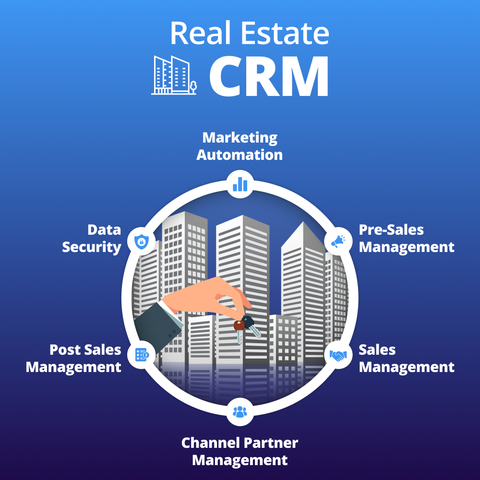
The need for a Real Estate CRM emerged as property markets became more competitive and data-driven. Traditionally, brokers and developers relied on spreadsheets, notebooks, and email threads. As client volumes increased and digital marketing expanded, manual tracking became inefficient and error-prone.
Modern Real Estate CRM software helps manage:
-
Prospect databases
-
Property listings and inventory
-
Communication records (calls, emails, messages)
-
Sales pipeline management
-
Reporting and performance analytics
In simple terms, it acts as an organized digital workspace that connects people, properties, and processes.
Importance – Why Real Estate CRM Matters Today
The real estate sector has shifted toward digital engagement. Buyers and investors often begin their research online, interact through multiple channels, and expect timely responses. This creates a high volume of inquiries that must be managed efficiently.
A structured lead management system supports:
-
Faster response times
-
Automated follow-ups
-
Clear pipeline tracking
-
Centralized document storage
-
Data-driven decision-making
Who benefits from a Real Estate CRM?
-
Real estate agencies
-
Property developers
-
Commercial leasing teams
-
Property managers
-
Marketing teams handling real estate campaigns
Common challenges it helps address:
-
Missed inquiries
-
Duplicate records
-
Inconsistent communication
-
Poor visibility into pipeline stages
-
Limited reporting and forecasting
Below is a simplified comparison between manual tracking and CRM-based tracking:
| Feature | Manual Method | Real Estate CRM Software |
|---|---|---|
| Data Storage | Spreadsheets, notes | Centralized cloud database |
| Follow-Ups | Manual reminders | Automated workflows |
| Reporting | Limited visibility | Real-time dashboards |
| Collaboration | Email-based | Shared access system |
| Analytics | Basic calculations | Advanced real estate data analytics |
The shift toward CRM integration platforms has made operational processes more transparent and structured.
Recent Updates – Trends and Developments (2025–2026)
In the past year, several developments have influenced the evolution of customer relationship management for real estate.
AI-Powered Automation (2025)
Many CRM platforms introduced AI-driven features such as predictive lead scoring, automated response suggestions, and behavior-based engagement tracking. These tools help prioritize high-intent prospects based on interaction data.
Stronger Data Privacy Controls (2025)
With stricter enforcement of global data protection regulations, CRM systems enhanced consent tracking and audit logs. This ensures better documentation of communication permissions.
Integration with Marketing Automation Tools (2025)
CRM platforms increasingly integrate with advertising and email marketing systems. This allows campaign performance tracking directly inside the CRM dashboard.
Cloud-Based Scalability (2026 Trend)
More platforms shifted toward scalable cloud infrastructure, supporting multi-location teams and remote collaboration.
Mobile-First Interfaces
Real estate professionals often work in the field. Mobile CRM applications have improved significantly, offering real-time updates, document uploads, and call logging.
Example Trend Graph – CRM Feature Adoption Growth (Estimated Industry Trend)
AIFeatures         ████████████
MobileCRM          ███████████████
MarketingIntegration ███████████
AdvancedAnalytics  ██████████
ManualTracking     ██
The industry direction clearly favors automation, integration, and data transparency.
Laws or Policies – Regulatory Impact
Real Estate CRM usage is influenced by multiple legal and regulatory frameworks, depending on the country.
Data Protection and Privacy Laws
In India, the Digital Personal Data Protection Act (2023) affects how personal information is stored and processed. CRM platforms must ensure:
-
Secure storage of personal data
-
Consent management mechanisms
-
Limited data retention
-
Access control and encryption
Real Estate Regulation
Under the Real Estate (Regulation and Development) Act (RERA) in India, developers must maintain transparency in project details and communication. CRM systems often help document communications and maintain structured records that align with compliance expectations.
Electronic Communication Laws
Email marketing and SMS communication through CRM platforms must comply with telecom and digital marketing regulations. Maintaining opt-in records is important for compliance.
International Data Regulations
If handling international clients, platforms may need to align with GDPR (European Union) standards, especially regarding:
-
Data processing transparency
-
Right to data access
-
Data portability
A CRM system that supports compliance features helps reduce regulatory risk and improve accountability.
Tools and Resources – Helpful Platforms and Digital Support
Several established CRM platforms support real estate operations globally.
Salesforce
A widely used CRM integration platform with customizable automation and advanced reporting capabilities.
HubSpot
Offers contact management, pipeline tracking, and marketing automation tools suitable for property teams.
Zoho
Provides cloud-based CRM solutions with automation, reporting, and multi-channel communication tracking.
Additional helpful resources:
-
Real estate ROI calculators
-
Lead scoring templates
-
Property inventory tracking sheets
-
CRM data migration guides
-
Analytics dashboard templates
Common CRM Features Overview:
| Feature | Purpose |
|---|---|
| Contact Management | Organizes client details |
| Pipeline Tracking | Visualizes deal stages |
| Automation Workflows | Schedules follow-ups |
| Reporting & Analytics | Tracks performance metrics |
| Mobile Access | Enables field updates |
| Integration Tools | Connects email, ads, and websites |
Smart Usage Tips:
-
Maintain clean and updated data
-
Define clear pipeline stages
-
Use automated reminders
-
Segment contacts based on interest type
-
Regularly review performance dashboards
Consistent data discipline improves CRM effectiveness.
FAQs – Frequently Asked Questions
What is the main function of a Real Estate CRM?
A Real Estate CRM centralizes client interactions, property data, and workflow tracking in a single digital system. It helps organize communication and improve operational visibility.
Is Real Estate CRM only for large agencies?
No. Both small agencies and large developers use CRM systems. Scalable cloud-based platforms support different team sizes.
How does CRM improve lead management?
It tracks inquiry sources, assigns follow-up tasks, automates reminders, and prioritizes prospects using structured data and analytics.
Does a CRM replace marketing tools?
Not entirely. It often integrates with digital marketing platforms but primarily focuses on relationship management and pipeline tracking.
Is data stored in a CRM secure?
Most modern CRM platforms use encryption, access controls, and audit logs. However, organizations must configure permissions and follow data protection regulations properly.
Conclusion
A Real Estate CRM is a structured digital solution designed to manage contacts, communication, and transaction workflows within the property sector. As the industry becomes increasingly data-driven, CRM software supports better organization, transparency, and analytics-based decision-making.
Recent advancements such as AI-powered automation, mobile access, and enhanced privacy compliance have strengthened its role in modern operations. Regulatory frameworks like data protection laws and real estate compliance policies further emphasize the importance of accurate record-keeping and secure data management.
By selecting appropriate real estate automation tools, maintaining organized data, and using performance analytics regularly, property professionals can improve operational clarity and long-term efficiency.
A well-implemented customer relationship management for real estate system supports structured growth while maintaining compliance, transparency, and professional communication standards.