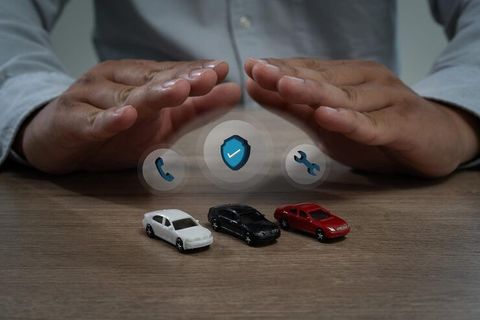
Practical Car Insurance Help To Prevent Claim Denial Issues
Securing practical car insurance help to prevent claim denial issues requires vehicle owners and fleet managers to evaluate policy underwriting rules before signing coverage contracts.
Selecting comprehensive auto insurance plans with transparent exclusion clauses protects drivers from unexpected out-of-pocket repair liabilities after collisions or weather damage.
Policy wording, named-driver endorsements, and aftermarket modification riders directly dictate claim approval rates during loss adjustments. Overlooking usage classifications or valuation methods frequently triggers coverage disputes when vehicles suffer total losses or mechanical damage.
The evaluation framework below details policy tiers, exclusionary contract clauses, documentation standards, and endorsement packages. Use these underwriting criteria to match commercial or personal auto insurance solutions with your exact driving profile.
Core Underwriting Triggers Behind Auto Claim Denials
Insurance carriers evaluate claims against strict contractual representations made during initial policy binding. Misalignment between actual vehicle operation and declared policy parameters remains the primary cause of rejected settlements.
Material Misrepresentation and Driver Declarations
Policies require accurate disclosure of primary garaging addresses, daily commuting distances, and all household drivers with regular vehicle access. If an unlisted regular driver operates the vehicle during an accident, adjusters may void collision payouts under non-disclosure clauses.
Commercial Usage Versus Personal Policy Exclusions
Standard personal auto plans explicitly exclude vehicles used for ridesharing, courier deliveries, or commercial transport. Drivers using personal policies for paid logistics work face immediate claim rejection unless they carry dedicated commercial endorsements or business-use packages.
Aftermarket Modifications and Non-Factory Equipment
Custom suspension kits, performance engine tuning, and non-factory audio hardware void standard physical damage coverage unless scheduled via custom-parts endorsements. Insurers frequently deny claims if unapproved mechanical alterations contribute to loss of vehicle control.
Comparing Auto Insurance Plans and Protection Packages
Insurance providers structure coverage into distinct protection tiers that balance monthly premium pricing against claim settlement certainty. Matching policy architecture to vehicle age, financing terms, and usage intensity prevents coverage gaps during major loss events.
| Coverage Plan Tier | Included Protection Scope | Valuation & Payout Rule | Best-Fit Driver Profile |
| Basic Liability Plans | Third-party bodily injury and property damage only | Covers external claims up to statutory or chosen policy limits | Paid-off older vehicles with low replacement value |
| Standard Comprehensive & Collision | Third-party liability plus collision, theft, fire, and weather loss | Actual Cash Value (ACV) minus standard policy deductible | Financed daily commuters requiring lender-compliant protection |
| Enhanced Endorsement Packages | Full physical damage, OEM parts rider, gap coverage, and rental car | Agreed value or new-car replacement without depreciation cuts | New vehicles, luxury models, and high-mileage business drivers |
If your vehicle carries low market resale value and no active loan balance, basic liability plans minimize recurring premium expenses. If your vehicle is financed or leased, lenders mandate standard comprehensive and collision coverage to protect collateral equity.
Enhanced endorsement packages suit owners of newer vehicles seeking guaranteed Original Equipment Manufacturer (OEM) replacement parts and gap protection. These plans eliminate depreciation disputes that commonly reduce payouts under standard actual-cash-value settlements.
Critical Policy Clauses and Endorsements to Verify
Before binding a policy, buyers must inspect declarations pages and endorsement schedules for restrictive sub-limits. Confirming specific contractual terms eliminates ambiguity during post-accident loss estimation.
OEM Parts Replacement Endorsement: Standard policies authorize aftermarket or recycled salvage parts, whereas OEM riders mandate factory-new components for structural and mechanical repairs.
Gap Insurance and Loan-Lease Payoff: When a totaled vehicle depreciates faster than its loan balance, gap coverage pays the shortfall between actual cash value and remaining lender principal.
Permissive Use Versus Named-Driver Only: Named-driver policies strictly deny coverage if a friend or relative borrows the vehicle, while permissive-use plans extend temporary protection to occasional drivers.
Diminished Value and Uninsured Motorist Riders: Uninsured motorist property damage and diminished-value clauses protect vehicle equity when an at-fault driver lacks sufficient liability limits.
Hidden Contract Pitfalls and Documentation Failures
Even broad auto insurance plans contain procedural conditions that require strict policyholder compliance before and after an incident. Ignoring maintenance obligations or post-accident reporting windows gives adjusters grounds to deny liability.
Lapsed Premium Grace Periods and Auto-Pay Failures
Policies cancel automatically when expired payment cards cause missed installments beyond the contractual grace period. Accidents occurring even one hour after policy lapse result in total claim denial with zero retroactive reinstatement options.
Pre-Existing Damage and Deferred Maintenance Exclusions
Collision and comprehensive policies cover sudden, accidental events rather than gradual mechanical wear, tire blowouts from bald treads, or rust damage. Adjusters routinely reject repair line items when inspection photos reveal pre-existing corrosion or neglected brake maintenance.
Delayed Incident Reporting and Unauthorized Repairs
Policies mandate prompt accident notification and prohibit permanent vehicle repairs before an adjuster inspects the physical damage. Authorizing a body shop to dismantle or repair damaged panels prior to carrier approval frequently voids reimbursement eligibility.
Matching Coverage Solutions to Vehicle and Usage Profiles
Selecting the optimal insurance package requires balancing deductible structures, asset depreciation curves, and operational exposure. Applying targeted selection rules aligns policy terms with real-world claim scenarios.
If your daily commute involves dense urban traffic or severe seasonal weather, choose lower comprehensive deductibles paired with rental reimbursement riders to prevent mobility disruptions. If you operate a multi-vehicle household or small service business, bundle vehicles under commercial fleet or multi-car packages to standardize liability limits across all drivers.
When purchasing a brand-new vehicle with less than twenty percent down payment, prioritize policies offering both new-car replacement and loan-lease gap endorsements. Conversely, drivers maintaining high liquid emergency reserves can select higher collision deductibles to reduce annual premiums while keeping full catastrophic protection intact.
Frequently Asked Questions
Why do insurers deny collision claims when a household member drives the car?
Most auto policies require every licensed resident living at the garaging address to be explicitly listed as an active driver or formally excluded. If an unlisted household member causes a collision, carriers often deny the claim based on material misrepresentation of household risk.
Can an insurance provider reject a claim due to aftermarket vehicle modifications?
Standard auto policies calculate premiums based on factory safety ratings and stock replacement part costs. Undeclared performance upgrades or suspension lifts alter risk profiles and allow carriers to deny physical damage payouts unless covered by a custom-equipment rider.
Does standard comprehensive coverage pay for mechanical engine failure?
Comprehensive insurance covers non-collision events such as theft, hail, flood, fire, and animal strikes rather than internal mechanical breakdowns. Engine or transmission failures caused by wear and tear require separate mechanical breakdown insurance or extended powertrain warranties.
Which policy endorsements prevent lowball total-loss settlement offers?
Adding new-car replacement, agreed-value valuation, or loan-lease gap endorsements prevents insurers from deducting steep first-year depreciation from total-loss payouts. Retaining service records and receipts for recent major repairs also helps prove higher pre-loss vehicle condition during valuation disputes.
Conclusion
Preventing car insurance claim denial issues requires verifying driver declarations, usage classifications, and valuation endorsements before an accident occurs. Scrutinizing exclusion clauses—such as named-driver limits, aftermarket part rules, and reporting deadlines protects drivers from unexpected repair liabilities.
Comparing multiple auto insurance providers and customizable endorsement packages ensures your coverage matches both lender requirements and actual driving exposure. Selecting transparent policy terms secures reliable claim approval and long-term financial protection on the road.

Related Post...