Pear Shaped Diamonds Facts About Shape, Structure and Jewelry Applications
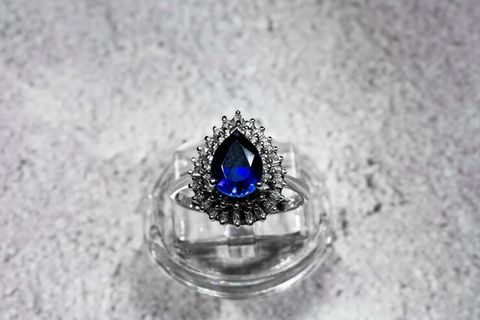
Pear shaped diamonds are gemstones cut into a distinctive form that combines a rounded end with a pointed tip, creating a shape that resembles a teardrop or pear. This cut blends features of the traditional round brilliant and marquise cuts, giving it a balanced appearance with both soft curves and a defined point.
The origins of the pear cut can be traced back to the 15th century, when diamond-cutting techniques began to evolve beyond simple polishing. Advances in craftsmanship allowed cutters to create more complex shapes that improved light reflection while preserving the natural characteristics of each diamond. Over time, refinements in cutting technology helped create the modern pear shape that is widely recognized today.
Unlike some diamond cuts that emphasize symmetry alone, pear shaped diamonds require careful balance between the rounded section, pointed tip, and overall proportions. Even small differences in these features can influence how the finished gemstone appears to the eye.
People often choose this shape because it creates an elongated appearance, making fingers appear longer when worn in rings. Depending on its orientation, the pointed end may face either toward or away from the wearer, reflecting individual style preferences rather than a fixed rule.
Importance
Why Pear Shaped Diamonds Remain Popular
Pear shaped diamonds continue to attract attention because they combine traditional brilliance with an uncommon silhouette. Their unique outline offers visual variety compared with more familiar round or princess cuts while maintaining strong light performance when cut well.
Many jewelry designers appreciate the flexibility of this shape because it can complement both classic and contemporary designs. The cut works well in various settings, including solitaire rings, halo designs, vintage-inspired jewelry, and minimalist pieces.
Factors That Influence Appearance
Several characteristics contribute to the overall appearance of pear shaped diamonds:
- Length-to-width ratio: Different proportions create either a longer, slimmer look or a fuller appearance.
- Symmetry: Balanced curves and a centered point improve visual harmony.
- Cut quality: Precise cutting supports brightness and sparkle.
- Clarity: Internal characteristics become more noticeable in larger stones.
- Color: Slight color variations may be easier to observe near the pointed end in some diamonds.
Comparison with Other Diamond Shapes
| Diamond Shape | General Appearance | Common Characteristics | Typical Uses |
|---|---|---|---|
| Round | Circular | High light return and symmetry | Rings, earrings, pendants |
| Pear | Rounded with pointed tip | Elongated appearance and distinctive silhouette | Rings, pendants, earrings |
| Oval | Oval | Balanced proportions with smooth curves | Engagement rings, necklaces |
| Marquise | Pointed at both ends | Long, narrow profile | Rings and statement jewelry |
| Cushion | Rounded square | Soft corners with classic appearance | Rings and vintage-inspired jewelry |
The choice between these cuts usually depends on personal preference, desired appearance, and the overall jewelry design rather than one shape being universally suitable for every situation.
Recent Updates
Evolving Design Preferences
Between 2024 and 2026, jewelry design trends have continued to emphasize distinctive diamond shapes, including pear shaped diamonds. Consumers increasingly appreciate cuts that differ from traditional round diamonds while maintaining familiar brilliance and versatility.
Designers have incorporated pear shaped diamonds into both minimalist and vintage-inspired collections. Simple solitaire settings remain common, while asymmetrical designs have also gained attention for their modern appearance.
Advances in Diamond Production
Laboratory-grown diamonds have become more widely available across many diamond shapes, including pear cuts. Improvements in cutting precision allow manufacturers to produce consistent proportions while maintaining optical performance similar to natural diamonds.
These developments have expanded the range of pear shaped diamonds available for educational comparison, giving consumers additional opportunities to understand differences in shape, clarity, color, and craftsmanship.
Digital Visualization
Many jewelry manufacturers now use advanced digital visualization technologies that allow people to examine pear shaped diamonds from multiple angles. High-resolution imaging, rotating 3D models, and virtual viewing tools help illustrate characteristics such as symmetry, sparkle, and proportions before a diamond becomes part of finished jewelry.
Artificial intelligence is also being incorporated into grading assistance, manufacturing processes, and inventory management within the jewelry industry, supporting greater consistency in evaluating diamond characteristics.
Laws or Policies
Diamond Disclosure Requirements
Many countries have regulations that require accurate disclosure regarding diamond origin and production methods. These rules help distinguish natural diamonds from laboratory-grown diamonds through clear labeling and documentation.
Government agencies responsible for consumer protection typically require accurate descriptions so that jewelry information remains factual and transparent.
Kimberley Process
The Kimberley Process Certification Scheme continues to influence international rough diamond trade. Participating countries work together to reduce the circulation of conflict diamonds through certification systems applied during international shipments of rough diamonds.
Although the Kimberley Process focuses on rough diamonds rather than finished jewelry, it remains an important part of the global diamond supply chain.
Hallmarking and Precious Metal Standards
In countries with hallmarking regulations, the precious metal used alongside pear shaped diamonds may be tested and officially marked to verify metal purity. Hallmarks commonly apply to gold, platinum, and silver jewelry, depending on national regulations.
These markings identify the quality of the metal rather than the quality of the diamond itself.
Independent Diamond Grading
Independent grading laboratories evaluate many diamonds according to internationally recognized characteristics, including:
- Cut
- Color
- Clarity
- Carat weight
These grading reports provide standardized descriptions that assist with identification and comparison across different diamonds.
Tools and Resources
Several educational resources help people understand pear shaped diamonds and diamond grading.
Diamond Grading Reports
Independent grading reports explain characteristics such as cut, clarity, color, fluorescence, symmetry, and measurements. Reading these reports helps people understand how diamonds are evaluated using standardized methods.
Diamond Size Comparison Charts
Size charts compare different carat weights with their approximate dimensions. Because pear shaped diamonds vary in proportions, measurement charts provide additional context beyond carat weight alone.
Length-to-Width Ratio Calculators
Online calculators estimate the length-to-width ratio using diamond measurements. This helps illustrate whether a pear shaped diamond has a slender, balanced, or wider appearance.
Jewelry Visualization Platforms
Many jewelry platforms include interactive viewing tools that display diamonds from multiple angles, making it easier to understand symmetry, proportions, and overall shape.
Educational Resources
Helpful learning materials often include:
- Diamond cut guides
- Gemology reference articles
- Jewelry terminology glossaries
- Interactive shape comparison tools
- Diamond anatomy diagrams
- Measurement conversion calculators
These resources focus on explaining terminology and grading principles rather than promoting particular products.
FAQs
What are pear shaped diamonds?
Pear shaped diamonds are diamonds cut with one rounded end and one pointed tip, creating a teardrop-like outline. This cut combines characteristics of both round brilliant and marquise shapes while maintaining multiple light-reflecting facets.
How do pear shaped diamonds differ from oval diamonds?
Although both shapes have elongated appearances, oval diamonds have rounded ends on both sides, while pear shaped diamonds feature a single pointed tip. This distinctive point gives the pear cut its recognizable silhouette.
What is a common length-to-width ratio for pear shaped diamonds?
Many pear shaped diamonds fall within a length-to-width ratio of approximately 1.45 to 1.75, although preferences vary depending on whether someone prefers a longer or fuller appearance.
Are pear shaped diamonds suitable for different jewelry styles?
Yes. Pear shaped diamonds appear in rings, pendants, earrings, bracelets, and necklaces. Their adaptable shape allows designers to create both traditional and contemporary jewelry styles.
Why is symmetry important in pear shaped diamonds?
Symmetry affects how balanced the diamond appears. Well-aligned shoulders, an evenly rounded end, and a centered pointed tip contribute to a more harmonious overall appearance and balanced light reflection.
Conclusion
Pear shaped diamonds combine an elegant outline with the brilliance associated with modern diamond cutting techniques. Their distinctive teardrop shape, historical background, and versatile design applications have contributed to their continued popularity across many jewelry styles.
Understanding features such as symmetry, proportions, grading standards, and current industry developments helps explain why this diamond shape remains an important part of modern gemology and jewelry design.

Related Post...
Pear Shaped Diamonds Facts About Shape, Structure and Jewelry Applications
Updated: July 16, 2026
Read More