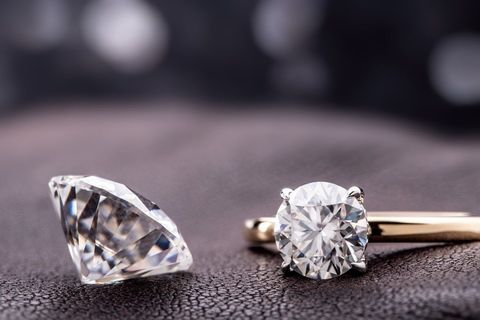
Diamond Engagement Rings Explained
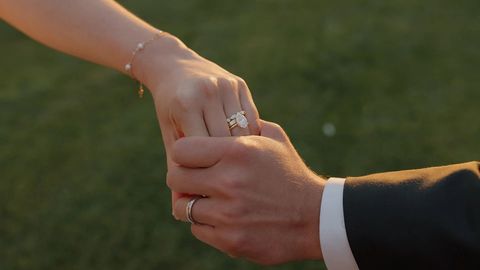
Diamond engagement rings have long symbolized commitment and lasting relationships.
Today, they are available in a wide variety of styles, diamond shapes, precious metals, and ring settings that suit different preferences and occasions. Understanding the characteristics of a diamond engagement ring helps individuals appreciate the craftsmanship, materials, and design elements involved in creating timeless jewelry.
Modern diamond engagement rings combine traditional techniques with advanced jewelry manufacturing methods, offering numerous design options while maintaining elegance and durability. This guide explores diamond types, ring settings, precious metals, design styles, selection factors, maintenance practices, and frequently asked questions.
Understanding Diamond Engagement Rings
A diamond engagement ring is a piece of fine jewelry designed with one or more diamonds mounted on a precious metal band. The design may feature a single center diamond or multiple accent stones arranged in various settings.
The appearance of the ring depends on the combination of the diamond, the setting style, the band material, and the overall craftsmanship.
Popular Diamond Shapes
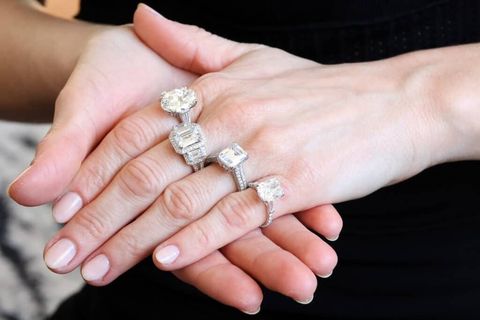
Different diamond shapes create unique visual styles.
Round Brilliant
The round brilliant cut is known for its symmetrical appearance and light performance.
Princess Cut
A princess cut features a square shape with sharp corners and a modern look.
Oval Cut
Oval diamonds provide an elongated appearance that complements many ring designs.
Cushion Cut
Cushion-cut diamonds combine rounded corners with a soft square profile.
Emerald Cut
Emerald-cut diamonds feature step-cut facets that create a sophisticated appearance.
Pear Cut
Pear-shaped diamonds combine a rounded end with a pointed tip for a distinctive design.
Marquise Cut
The marquise shape offers an elegant elongated silhouette.
Radiant Cut
Radiant-cut diamonds combine trimmed corners with brilliant-style faceting.
Common Ring Settings
The setting secures the diamond while contributing to the ring's overall appearance.
Solitaire Setting
A solitaire setting highlights a single center diamond.
Halo Setting
A halo setting surrounds the center diamond with smaller diamonds for additional brilliance.
Pavé Setting
Small diamonds are closely set along the band to create continuous sparkle.
Three-Stone Setting
Three-stone rings feature a center diamond with two side stones.
Bezel Setting
A bezel setting surrounds the diamond with a protective metal rim.
Cathedral Setting
The band rises toward the center stone, creating an elegant elevated profile.
Precious Metals Used
The band material influences durability and appearance.
Common options include:
- White gold
- Yellow gold
- Rose gold
- Platinum
- Sterling silver
Each metal offers unique characteristics and complements different diamond styles.
Understanding Diamond Quality
Several characteristics influence the appearance of a diamond.
Cut
The cut affects how light reflects through the diamond.
Color
Diamond color ranges from nearly colorless to more noticeable tones.
Clarity
Clarity refers to the natural characteristics found within or on the surface of a diamond.
Carat
Carat measures the weight of a diamond rather than its physical size.
Understanding these characteristics helps compare different diamonds.
Popular Design Styles
Diamond engagement rings are available in many design styles.
- Classic designs
- Vintage-inspired styles
- Contemporary designs
- Minimalist settings
- Nature-inspired patterns
- Geometric designs
- Twisted bands
- Split-shank settings
Each style offers a unique appearance while maintaining the traditional symbolism of an engagement ring.
Factors to Consider
Several factors help guide the selection process.
- Diamond shape
- Ring setting
- Precious metal
- Band width
- Finger size
- Lifestyle considerations
- Craftsmanship
- Diamond certification
- Design preferences
- Long-term maintenance
Evaluating these factors supports an informed decision.
Ring Care and Maintenance
Routine care helps preserve the appearance of diamond engagement rings.
Recommended practices include:
- Clean the ring with appropriate jewelry cleaning methods.
- Store the ring in a protective jewelry box.
- Remove the ring during heavy physical activities.
- Inspect the setting periodically.
- Keep the diamond free from dirt and oils.
- Separate jewelry during storage to reduce scratches.
- Check prongs regularly for secure stone placement.
Consistent care helps maintain long-term beauty.
High-Value Jewelry Keywords Included
This article naturally incorporates relevant search terms, including:
- diamond engagement rings
- solitaire engagement rings
- halo engagement rings
- diamond ring settings
- certified diamonds
- platinum engagement rings
- white gold engagement rings
- oval diamond rings
- princess cut diamonds
- round brilliant diamonds
- engagement ring styles
- diamond jewelry
- fine jewelry
- bridal jewelry
- custom engagement rings
Benefits
Diamond engagement rings offer several enduring advantages.
- Timeless and elegant appearance
- Wide variety of diamond shapes
- Multiple ring setting options
- Available in different precious metals
- Suitable for classic and modern designs
- Long-lasting craftsmanship
- Personalized style choices
- Compatible with matching wedding bands
- Easy to maintain with proper care
- Meaningful symbol of commitment
Frequently Asked Questions
What is the most popular diamond shape?
Round brilliant diamonds remain one of the most widely recognized choices because of their classic appearance.
Which ring setting offers a traditional style?
The solitaire setting is often associated with a timeless and elegant design.
What metals are commonly used for engagement rings?
White gold, yellow gold, rose gold, platinum, and sterling silver are common choices.
Why is diamond certification important?
Certification provides information about a diamond's characteristics, including cut, color, clarity, and carat weight.
How should a diamond engagement ring be cleaned?
Use jewelry-safe cleaning methods and a soft cloth or brush to help maintain its appearance.
How often should the ring setting be inspected?
Periodic inspections help ensure the diamond remains securely positioned in its setting.
Conclusion
Diamond engagement rings combine fine craftsmanship, precious metals, and carefully selected diamonds to create jewelry that is both elegant and meaningful. Understanding diamond shapes, ring settings, design styles, and maintenance practices helps individuals appreciate the features that contribute to a well-crafted ring. With a wide variety of styles and materials available, diamond engagement rings continue to represent enduring beauty and timeless design.

Related Post...