Palletizing Robot Explore Modern Warehouse Automation Systems
Warehouse automation is transforming how businesses manage storage, packaging, and logistics operations. As industries continue handling larger product volumes and faster delivery expectations, companies are increasingly adopting robotic systems to improve operational efficiency. One important technology in this transformation is the Palletizing Robot.
Palletizing robots help automate the process of stacking products, boxes, and materials onto pallets for storage or shipping. These systems are widely used in manufacturing facilities, logistics centers, food processing plants, and e-commerce warehouses.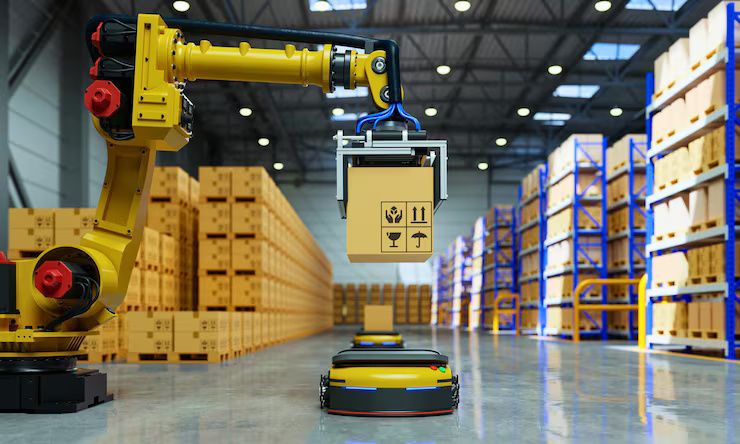
This guide explains how palletizing robots work, their benefits, common applications, and their role in modern warehouse automation systems.
What Is a Palletizing Robot?
A Palletizing Robot is an industrial robotic system designed to organize and stack products onto pallets automatically.
Traditional palletizing often requires manual labor, repetitive lifting, and continuous physical effort. Robotic palletizing systems automate these tasks using robotic arms, sensors, conveyors, and intelligent software.
These robots can handle various materials, including:
- Boxes
- Bags
- Cartons
- Bottles
- Containers
- Industrial packages
Modern palletizing robots are commonly integrated into automated warehouse environments to improve speed and operational consistency.
How Palletizing Robots Work
Palletizing robots operate through a combination of mechanical movement, automation software, and sensor technology.
A typical system usually includes:
- Robotic arm
- Conveyor system
- Product sensors
- Gripping tools
- Control software
- Safety systems
Products move through a conveyor line toward the robotic station. The robot identifies product size, position, and stacking requirements before placing items onto pallets according to a programmed pattern.
The system continuously repeats this process with minimal human intervention.
Types of Palletizing Robots
Different industries use different palletizing systems depending on operational requirements.
Conventional Robotic Palletizers
These systems use industrial robotic arms for high-speed pallet stacking operations.
They are commonly used in:
- Manufacturing plants
- Packaging facilities
- Distribution centers
Conventional palletizers are suitable for handling heavy loads and large production volumes.
Collaborative Palletizing Robots
Collaborative robots, also called cobots, are designed to work safely alongside human workers.
These systems are often used in smaller warehouses or businesses that require flexible automation solutions.
High-Speed Palletizing Systems
High-speed robotic systems are built for industries handling large-scale packaging operations.
They are commonly found in:
- Beverage production
- Food processing
- Consumer goods manufacturing
These robots prioritize speed and continuous operation.
Benefits of Palletizing Robots
Businesses increasingly adopt robotic palletizing because of several operational advantages.
Improved Warehouse Efficiency
Robotic systems can operate continuously and perform repetitive tasks faster than manual labor.
This helps warehouses improve:
- Packaging speed
- Shipping preparation
- Material handling efficiency
- Workflow consistency
Reduced Physical Labor
Manual palletizing often involves repetitive lifting and physically demanding tasks.
Palletizing robots help reduce worker fatigue and improve workplace safety.
Better Stacking Accuracy
Robotic systems follow programmed pallet patterns with high precision.
This reduces:
- Product damage
- Unstable pallet loads
- Packaging errors
Increased Operational Scalability
Warehouses handling growing product volumes can scale operations more effectively using automation systems.
Robots help businesses manage higher demand without significantly increasing manual labor requirements.
Industries Using Palletizing Robots
Palletizing robots are widely used across multiple industries because of their flexibility and automation capabilities.
Manufacturing Industry
Manufacturing plants use robotic palletizers to organize packaged goods before shipping or storage.
Food and Beverage Industry
Food processing facilities use palletizing robots for handling packaged foods, bottles, cartons, and beverage containers.
E-Commerce Warehouses
Large e-commerce fulfillment centers rely on robotic systems to improve packaging and shipping efficiency.
Pharmaceutical Industry
Pharmaceutical companies use automated palletizing systems for safe and organized product handling.
Key Components of Modern Warehouse Automation Systems
Modern warehouse automation environments often combine palletizing robots with other intelligent technologies.
Conveyor Systems
Conveyors transport products automatically between workstations and robotic areas.
Warehouse Management Software
Software systems help monitor inventory, track shipments, and manage automation workflows.
Barcode and Sensor Technology
Sensors and barcode scanners improve product identification and workflow accuracy.
Automated Storage Systems
Some warehouses integrate robotic palletizing with automated storage and retrieval systems for fully connected operations.
Challenges of Implementing Palletizing Robots
Although robotic palletizing offers many benefits, businesses should also consider certain implementation challenges.
System Integration Requirements
Warehouses may need software integration, conveyor adjustments, and infrastructure upgrades before deploying robotic systems.
Employee Training
Workers and technical teams may require training to operate and maintain automation systems effectively.
Maintenance and Monitoring
Robotic systems require regular inspections and maintenance to ensure long-term operational reliability.
Future Trends in Warehouse Automation
Warehouse automation continues evolving as businesses seek faster and more efficient logistics solutions.
AI-Powered Robotics
Artificial intelligence is helping robotic systems improve decision-making, object detection, and workflow optimization.
Smarter Sensor Technology
Advanced sensors improve robotic precision and warehouse safety.
Flexible Automation Systems
Modern warehouses increasingly prefer automation systems that can adapt to changing packaging sizes and operational demands.
Integration With Smart Warehouses
Palletizing robots are becoming part of larger smart warehouse ecosystems connected through real-time data systems and cloud-based monitoring.
Tips for Businesses Considering Palletizing Robots
Businesses exploring warehouse automation should carefully evaluate operational requirements before implementation.
Analyze Warehouse Needs
Companies should identify:
- Product types
- Packaging volume
- Operational bottlenecks
- Workflow requirements
This helps determine the most suitable robotic system.
Start With Scalable Automation
Smaller warehouses may begin with flexible robotic systems before expanding automation infrastructure.
Focus on Safety and Training
Employee safety and proper operational training remain important during automation adoption.
Monitor Performance Metrics
Warehouses should regularly track:
- Productivity improvements
- Error reduction
- Workflow efficiency
- Equipment performance
Monitoring helps optimize automation results over time.
Conclusion
Palletizing Robot technology is playing an increasingly important role in modern warehouse automation systems. By automating repetitive pallet stacking tasks, these robotic systems help businesses improve efficiency, reduce physical labor, and enhance operational consistency.
As industries continue investing in smart warehouses and intelligent logistics infrastructure, palletizing robots are expected to become even more common across manufacturing, e-commerce, food processing, and distribution operations. Understanding how these systems work and their practical benefits can help businesses prepare for the future of warehouse automation.

Related Post...
Industrial Warehouse Robotics Automation: Insights Into Modern Warehouse Operations
Updated: October 06, 2026
Read More
Corporate Multi-Agent AI Orchestration Systems: Discover How Agents Work Together
Updated: October 06, 2026
Read More
AI Vision Systems: Discover Core Technologies Behind Visual Inspection
Updated: October 06, 2026
Read More