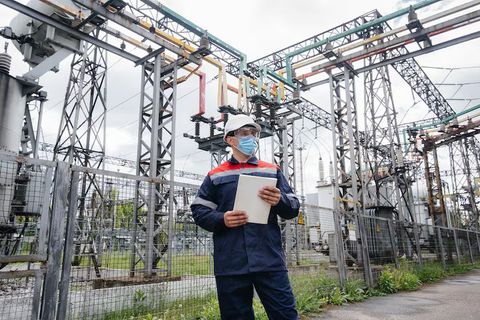
Historically, gas leak detection relied on human senses, such as smell or sound. For example, natural gas is odorless, so compounds are added to give it a noticeable smell. However, relying only on human perception is not always reliable. This led to the development of electronic gas detectors and advanced monitoring systems.
Today, gas leak detection combines manual inspection methods with digital technologies. These include handheld detectors, fixed monitoring systems, and smart sensors that can alert users in real time. The purpose remains the same: to identify leaks quickly and reduce risks associated with gas exposure.
Importance
Gas leaks can pose serious risks, including fire hazards, explosions, and health issues. Even small leaks can accumulate over time, creating dangerous environments. Gas leak detection plays a key role in preventing such situations and maintaining safety in homes, workplaces, and public areas.
For households, gas leak detection helps ensure the safe use of cooking and heating appliances. In industrial environments, it protects workers and infrastructure from accidents related to flammable or toxic gases. Public utilities also rely on detection systems to maintain pipelines and distribution networks.
Common challenges that gas leak detection addresses include:
- Invisible threats: Many gases cannot be seen, making leaks difficult to identify without proper tools
- Delayed response: Without detection systems, leaks may go unnoticed until symptoms or damage appear
- Health concerns: Exposure to gases like carbon monoxide can cause dizziness, nausea, or more serious effects
- Environmental impact: Some gases contribute to air pollution or climate-related concerns
By identifying leaks early, detection systems help reduce these risks and support safer environments.
Recent Updates
Gas leak detection technology has evolved significantly in recent years. From 2024 to 2026, there has been a noticeable shift toward smart and connected systems. These systems use wireless communication to send alerts directly to mobile devices or centralized monitoring platforms.
One trend is the integration of gas leak detection with smart home ecosystems. Sensors can now connect with home automation systems, allowing users to receive alerts or trigger actions such as shutting off gas supply valves automatically.
Another development involves the use of advanced sensor materials. Modern detectors are becoming more sensitive and capable of identifying multiple types of gases. This improves accuracy and reduces the chances of false alarms.
Data-driven monitoring is also gaining attention. Some systems analyze patterns over time to detect irregularities, helping identify potential leaks before they become severe. In industrial settings, drones and robotic devices are increasingly used to inspect hard-to-reach areas.
Laws or Policies
Gas leak detection is influenced by safety regulations and building standards that vary by country. In India, several guidelines govern the use and monitoring of gas systems in residential and industrial settings.
Regulatory frameworks often require:
- Installation standards: Proper installation of gas pipelines and appliances according to safety codes
- Periodic inspections: Regular checks to ensure systems are functioning correctly
- Mandatory detectors in certain environments: For example, commercial kitchens or industrial facilities may require fixed gas detection systems
- Emergency protocols: Clear procedures for responding to detected leaks
Organizations such as the Petroleum and Explosives Safety Organization (PESO) oversee safety practices related to gas storage and usage. Additionally, building codes may include provisions for ventilation and detector placement.
While regulations aim to enhance safety, enforcement and awareness can vary. Understanding these rules helps individuals and organizations maintain compliance and reduce risks.
Tools and Resources
A variety of tools and resources are available to support gas leak detection. These range from simple household devices to advanced industrial systems.
Types of Gas Detection Tools
- Portable detectors: Handheld devices used for spot checks and inspections
- Fixed detectors: Installed in specific locations for continuous monitoring
- Smart sensors: Connected devices that send alerts to smartphones or control systems
- Infrared cameras: Used in industrial settings to visualize gas leaks
Comparison of Common Detection Methods
| Detection Method | Suitable Environment | Key Feature |
|---|---|---|
| Soap solution test | Household | Identifies leaks through bubbles |
| Electronic detectors | Home and workplace | Provides audible or visual alerts |
| Infrared imaging | Industrial facilities | Detects gas emissions visually |
| Ultrasonic sensors | Industrial pipelines | Detects sound of gas escaping |
Helpful Resources
- Government safety portals: Provide guidelines on gas usage and safety practices
- Mobile applications: Some apps connect with smart detectors to display real-time data
- Instruction manuals: Offer guidance on installation and maintenance of detection devices
- Training materials: Help individuals understand how to respond to gas leaks safely
Using the right combination of tools and resources can improve the effectiveness of gas leak detection efforts.
FAQs
What is gas leak detection and how does it work?
Gas leak detection involves identifying the presence of leaking gas using sensors, detectors, or manual methods. Devices typically monitor gas concentrations and trigger alerts when levels exceed safe limits.
Why is gas leak detection important in homes?
Gas leak detection helps prevent accidents such as fires or health issues caused by gas exposure. It provides early warnings, allowing people to take action before the situation becomes dangerous.
What are common signs that indicate a gas leak?
Common signs include a strong odor similar to sulfur, hissing sounds near gas lines, dead plants around pipelines, or physical symptoms like headaches and dizziness.
Are gas leak detection devices accurate?
Modern gas leak detection devices are designed to be sensitive and reliable. However, their accuracy depends on proper placement, maintenance, and calibration.
Where should gas leak detection systems be installed?
Gas leak detection systems are typically installed near gas appliances, pipelines, or areas where leaks are more likely to occur. Placement may vary depending on the type of gas and environment.
Conclusion
Gas leak detection is an essential safety practice that helps identify and manage risks associated with gas usage. Advances in technology have made detection systems more accessible and efficient, supporting both households and industries. Regulations and safety guidelines further shape how these systems are used and maintained. Understanding the tools, methods, and importance of gas leak detection can contribute to safer environments and better risk awareness.