Today, marine propulsion remains fundamental to global shipping, commercial maritime operations, naval fleets, cruise transportation, heavy marine logistics, offshore platforms, and fishing vessels. Understanding how propulsion systems work helps in analyzing efficiency, fuel dynamics, environmental load, and long-term sustainability. With increasing focus on clean energy, vessel modernization is shifting from traditional internal combustion engines to reduced-emission propulsion architecture.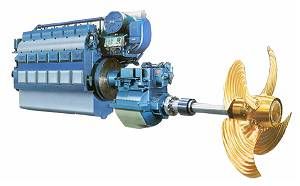
Context
Marine propulsion systems are mechanical or power-based units designed to move a vessel through water by generating thrust. They include propulsion engines, power transmission components, propellers, waterjets, or azimuth thrusters. Modern systems integrate fuel sources, control electronics, shaft arrangements, cooling systems, and navigation-assist modules to stabilize and optimize movement in diverse conditions.
Historically, propulsion began with wind sails and manual paddles. During the industrial era, steam propulsion brought mechanical power to oceans. The late 20th century introduced diesel engines, followed by gas turbines, LNG propulsion, integrated electric engines, fuel cell technology, and hybrid twin-engine systems.
Marine propulsion exists to move maritime fleets efficiently, reduce drag, maintain speed, and ensure energy stability during long voyages. The marine industry depends on propulsion for cargo movement, naval security, renewable marine energy development, and intercontinental connectivity. As coastal economies grow, propulsion remains a central unit of marine engineering research.
Importance
Marine propulsion impacts industries globally. Ships carry nearly 90% of world trade transport volume, making propulsion technology a core enabler of economic flow. Efficient propulsion increases speed, lowers emissions, reduces operational energy, and enhances maritime safety. Propulsion systems serve:
• Global shipping fleets transporting food, goods, machinery
• Passenger cruise liners, ferries, and tourist vessels
• Naval and coast-guard fleets ensuring maritime security
• Offshore oil and wind energy support vessels
• Fishing boats, research ships, and ice-class cargo vessels
The importance of propulsion lies in reliability, endurance, fuel efficiency, environmental compliance, and smooth navigational performance. Problems addressed include carbon emissions, marine noise pollution, energy loss, water resistance, high fuel consumption, and engine maintenance fatigue. Propulsion continues advancing toward smart engine control, digital monitoring, LNG-based fuel, electric marine propulsion systems, hydrogen-enabled engines, and low-emission hybrid propulsion.
For shipbuilders, propulsion selection influences efficiency, vessel size, endurance, and environmental performance. For researchers and environmental groups, propulsion fuels ongoing work in sustainable ocean technology.
Laws, Rules, Compliance and Government Influence
Marine propulsion systems are directly shaped by international and national maritime regulations. The International Maritime Organization (IMO) sets emission limits, sulphur caps, greenhouse gas reduction requirements, and efficiency metrics for marine propulsion technologies.
Relevant controls include:
• IMO Tier III emission standards regulating nitrogen oxide levels
• MARPOL Annex VI policies governing sulphur emissions
• Energy Efficiency Design Index (EEDI) for new vessels
• Carbon Intensity Indicator (CII) compliance for operating fleets
• Ballast water management rules supporting ocean ecosystem protection
Governments support modernization through technology-funding programs, academic research grants, alternative-fuel innovation, and sustainability-led propulsion evaluation frameworks. Industry stakeholders must align propulsion design with emission guidelines, noise-reduction protocols, and energy-efficiency documentation.
Future propulsion policies aim toward greener technology, including hydrogen fuel cell propulsion standards, LNG-compliant certifications, digital inspection reporting, and integrated emissions analysis. Regulations are gradually pushing the sector toward hybrid & electric propulsion usage in commercial fleets.
Propulsion Technology Types (with Comparison Table)
Marine propulsion systems vary based on power source, vessel size, and operational distance.
| Propulsion Type | Fuel/Energy | Best Use-Case | Environmental Impact |
|---|---|---|---|
| Diesel Marine Engines | Diesel/Marine Fuel Oil | Cargo, tankers, bulk carriers | Moderate–High emissions |
| LNG Propulsion Engines | Liquefied Natural Gas | Cleaner cargo fleets, long-range | Lower sulphur and NOx output |
| Electric Marine Propulsion | Batteries + Electric Drives | Ferries, short-route passenger ships | Zero-emission at point of use |
| Hybrid Propulsion Systems | Diesel + Battery | Cruise, offshore supply | Balanced efficiency & reliability |
| Gas Turbine Propulsion | Turbine Fuel/Gas | Naval fleets, high-speed craft | High power, moderate emissions |
| Fuel Cell Propulsion | Hydrogen | Research & future-ready vessels | Minimal emissions potential |
Propulsion selection depends on distance, payload, operational climate, maintenance approach, and emission strategy.
Working Principles of Marine Propulsion
Most propulsion systems follow a direct mechanical principle:
-
Fuel or electrical energy powers the engine.
-
Rotary motion generates shaft movement.
-
The propeller converts rotational energy into thrust.
-
Water is pushed backward, and the vessel moves forward.
Diesel propulsion remains widespread due to endurance and engine reliability. Gas turbines deliver high thrust-to-weight performance for high-speed naval vessels. Electric propulsion relies on motor-driven propellers, powered by battery banks charged via onboard generators or renewable energy.
Advanced systems such as azimuth thrusters, Voith-Schneider propulsion, and waterjet propulsion allow multidirectional movement without conventional rudders.
Working elements generally include:
• Main propulsion engine or dual-engine hybrid
• Reduction gearbox & transmission assembly
• Fixed-pitch or controllable-pitch propeller design
• Cooling and lubrication subsystems
• Fuel or energy delivery circuit
• Motor control, monitoring, and safety systems
Electric propulsion integrates power electronics, inverters, high-torque PM motors, and control software for variable-speed thrust.
Tools, Resources & Useful References
Marine propulsion research and understanding improve when using reliable tools and references. Several technical platforms offer propulsion simulations, specification data, fuel comparison models, and marine engineering literature.
Useful resources include:
• Marine propulsion design calculation tools
• Thrust and drag estimation models for engineers
• Maritime energy efficiency analysis platforms
• Online propulsion configuration guides
• Marine engineering reference manuals & technical documentation
• Public ocean research databases and hydrodynamic study libraries
Students and professionals may also reference academic journals, propulsion architecture diagrams, propulsion performance simulators, and propeller efficiency calculators.
FAQs
What is the most commonly used marine propulsion system today?
Diesel marine propulsion remains the most widespread due to reliability, durability, and long-range performance across cargo, tanker, and bulk transport vessels.
Are marine propulsion systems moving toward clean energy?
Yes. There is a strong movement toward LNG, hybrid propulsion, electric propulsion, and hydrogen-fuel models to support emissions compliance and fuel transition goals.
What role does IMO play in marine propulsion?
The International Maritime Organization regulates emissions, energy efficiency design standards, nitrogen oxide limits, sulphur reduction, and technical compliance for propulsion-equipped vessels.
How does electric propulsion differ from diesel systems?
Diesel propulsion burns fuel internally, whereas electric propulsion uses stored electrical energy to power motors. Electric systems reduce exhaust emissions and are ideal for short-range routes.
Can propulsion technology vary across vessel type?
Yes. Propulsion must match vessel capacity, voyage distance, endurance, emission goals, and maneuverability requirements. No single propulsion type suits every marine application.
Conclusion
Marine propulsion systems form the mechanical backbone of global maritime movement. From historical sail-driven vessels to advanced LNG-hybrid mastery, propulsion reflects centuries of engineering progress. Today, it stands at the center of shipping, maritime transport, naval defense, and ocean exploration. With environmental compliance shaping future directions, propulsion technology is progressively steering toward alternative fuel integration, reduced-emission architecture, intelligent energy control, and next-generation vessel electrification.
Understanding propulsion fundamentals allows learners, researchers, and maritime professionals to evaluate technology with clarity. As innovation continues, propulsion remains a dynamic field built on efficiency, hydrodynamics, and engineering evolution.