Fleet Tracking System Guide: Explore GPS Monitoring, Basics, and Key Insights
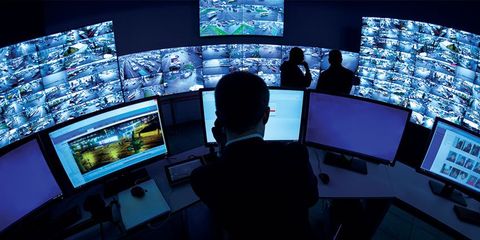
Transportation and logistics operations often rely on multiple vehicles operating across different routes and regions. Managing these vehicles effectively requires visibility into their location, movement, and operational status. A fleet tracking system exists to provide this visibility through satellite positioning technology and digital monitoring platforms.
At its foundation, a fleet tracking system combines GPS devices installed in vehicles with communication networks and data platforms. These devices transmit location data, which is displayed in centralized dashboards where operators can observe vehicle movement and route activity. This process is commonly referred to as fleet GPS tracking.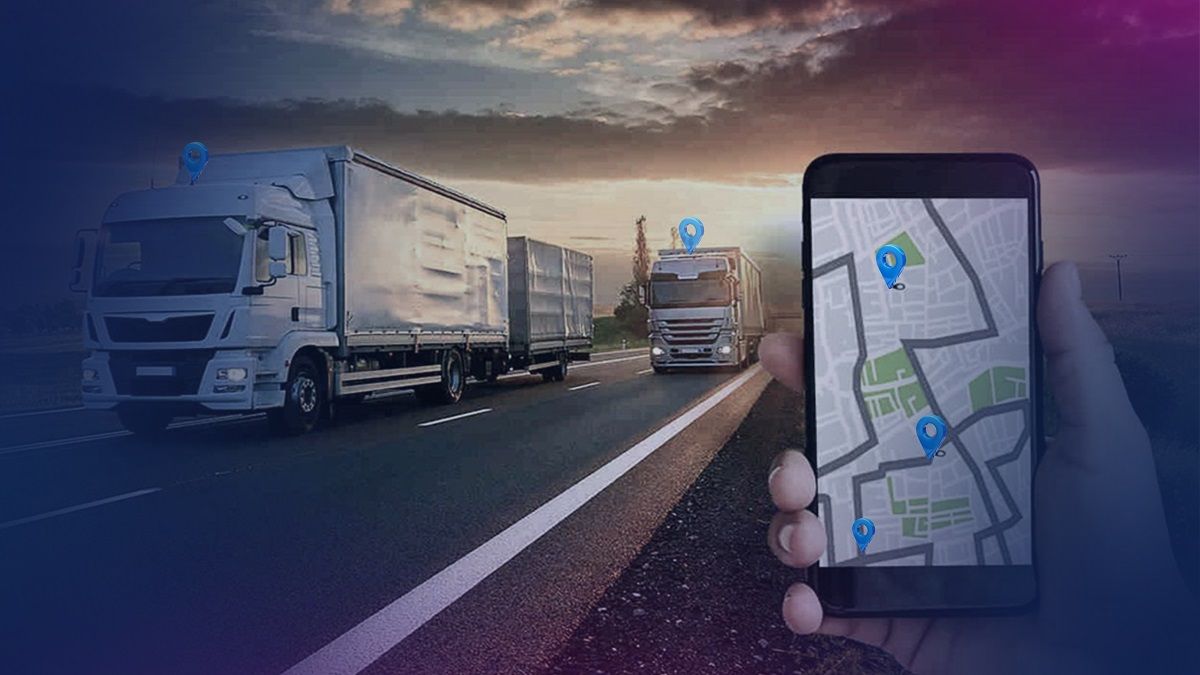
Before the widespread use of digital monitoring systems, organizations relied on manual reporting and driver communication to understand vehicle activity. These methods often lacked accuracy and real-time visibility. Modern fleet tracking systems have replaced these manual methods with automated tracking tools that collect precise location data continuously.
In addition to monitoring vehicle movement, many systems now integrate diagnostics, route analytics, and operational reporting. As a result, GPS fleet management has become a critical component of transportation planning and logistics coordination.
Importance
Fleet tracking technology plays a significant role in industries where transportation and vehicle coordination are central to daily operations. Organizations managing delivery vehicles, logistics fleets, construction equipment, or field-service vehicles rely on tracking data to maintain operational efficiency.
The importance of fleet tracking systems can be understood through several key benefits:
-
Operational visibility: Fleet managers can monitor vehicle location and travel routes through GPS monitoring.
-
Improved coordination: Dispatchers can assign routes more effectively when vehicle movement is visible.
-
Driver accountability: Tracking helps verify travel patterns and route adherence.
-
Asset monitoring: Vehicles operating across long distances remain visible through digital mapping systems.
-
Logistics efficiency: Data collected through GPS fleet management helps improve route planning.
The technology is widely used in industries such as logistics, transportation, delivery services, construction operations, and maintenance fleets. For organizations managing smaller fleets, vehicle tracking systems for small business can provide insights into vehicle usage and route performance without requiring large infrastructure systems.
How Fleet Tracking Systems Work
Understanding the structure of a fleet tracking system helps clarify how GPS monitoring operates.
| Component | Function | Example Role |
|---|---|---|
| Fleet tracking device | Collects GPS location data | Installed in vehicle |
| Communication network | Transfers data from vehicle | Cellular or satellite signal |
| Monitoring dashboard | Displays vehicle locations | Web or mobile interface |
| Mapping platform | Visualizes routes and movement | Digital mapping system |
| Data analytics tools | Interprets travel patterns | Route efficiency insights |
A fleet tracking device installed inside a vehicle collects GPS coordinates and transmits them to a central monitoring platform. This information allows managers to observe vehicle movement and analyze routes.
Modern fleet vehicle GPS tracking systems often integrate telematics features that monitor engine activity, driver behavior, and travel patterns.
Recent Updates
Fleet tracking technologies continue to evolve as digital connectivity and transportation analytics improve. Several advancements have expanded the capabilities of GPS-based monitoring systems.
Recent developments observed in 2025 and 2026 include:
-
AI-assisted route optimization: Advanced algorithms analyze route history to recommend more efficient travel paths.
-
Integration with electric vehicle monitoring: Tracking platforms now support battery monitoring for electric fleets.
-
Improved mapping accuracy: Enhanced satellite positioning improves location precision.
-
Driver behavior analytics: Systems now evaluate acceleration, braking, and driving patterns.
-
Predictive maintenance alerts: Telematics data can help identify potential vehicle issues.
These innovations demonstrate how GPS fleet management has evolved beyond simple location tracking into a broader operational analysis tool.
Laws or Policies
Fleet tracking systems operate within regulatory frameworks related to transportation safety, operational transparency, and digital monitoring practices.
Common regulatory areas influencing fleet tracking include:
-
Transportation safety regulations: Authorities require accurate vehicle documentation for commercial fleets.
-
Driver working-hour rules: Tracking systems help verify compliance with driver working-time regulations.
-
Digital monitoring policies: Some regions provide guidelines for responsible monitoring of driver and vehicle activity.
-
Logistics transparency programs: Government transportation initiatives increasingly promote digital logistics systems.
These frameworks ensure that fleet tracking systems support both operational efficiency and regulatory compliance.
Tools and Resources
Organizations using GPS monitoring technology often rely on various tools and resources to analyze and interpret fleet data effectively.
Examples include:
-
Route planning tools used to estimate travel distance and time
-
GPS coordinate converters for location data interpretation
-
Fleet analytics dashboards that summarize vehicle activity
-
Vehicle telematics reports providing insights into travel patterns
-
Digital mapping platforms supporting route visualization
For organizations managing smaller vehicle groups, vehicle tracking systems for small business can integrate with mapping platforms and analytics dashboards to provide operational insights.
Common Applications of Fleet Tracking Systems
Fleet tracking systems support many operational environments where vehicles must be coordinated efficiently.
| Industry | Example Application | Monitoring Purpose |
|---|---|---|
| Logistics | Delivery vehicle monitoring | Route efficiency |
| Construction | Equipment vehicle tracking | Site coordination |
| Transportation | Bus and transit monitoring | Schedule reliability |
| Field maintenance | Service vehicle routing | Dispatch coordination |
| Small business fleets | Local delivery monitoring | Vehicle usage tracking |
These examples demonstrate how fleet vehicle GPS tracking systems support transportation coordination across different industries.
FAQs
What is a fleet tracking system?
A fleet tracking system is a technology platform that uses GPS monitoring to observe and manage vehicle movement across routes and locations.
How does fleet GPS tracking work?
A fleet tracking device installed in a vehicle collects location data and transmits it to a digital monitoring platform.
What is GPS fleet management?
GPS fleet management refers to the use of tracking technology and analytics tools to monitor vehicles, analyze routes, and coordinate transportation operations.
Are vehicle tracking systems useful for small organizations?
Yes. Vehicle tracking systems for small business can help monitor vehicle usage, travel routes, and operational efficiency.
What is a business vehicle tracking device?
A business vehicle tracking device is a GPS-enabled unit installed in a vehicle to collect location and movement data.
Conclusion
Fleet tracking systems have become an essential part of modern transportation and logistics management. By combining GPS monitoring, digital mapping, and operational analytics, these systems provide organizations with real-time visibility into vehicle movement and route performance. Technologies such as fleet GPS tracking and GPS fleet management continue to evolve as digital connectivity improves. Whether used in large logistics operations or smaller delivery fleets, modern fleet vehicle GPS tracking systems help organizations maintain coordination, transparency, and operational awareness.

You may also like...


Real-Time Supervision Service Explained: Overview, Basics, and Key Information
Last Update: March 28, 2026
Read
Understand Print Advertising: Resources and Knowledge for Modern Marketers
Last Update: March 25, 2026
Read