Kids Wardrobe Themes: Design Ideas, Storage and Organization Tips
Kids wardrobe themes refer to the visual styles, colours, patterns, and organizational arrangements used when designing wardrobes for children's bedrooms. These themes combine practical storage with age-appropriate design to create a comfortable and organized living environment.
Unlike conventional bedroom wardrobes, children's wardrobes often incorporate playful colours, interesting patterns, accessible shelves, and storage compartments designed around children's daily routines.
A wardrobe can reflect a child's interests, such as animals, nature, space exploration, fairy tales, sports, or simple geometric patterns. At the same time, its layout should accommodate everyday clothing, school uniforms, footwear, accessories, and seasonal garments.
The purpose of themed wardrobe design is to balance appearance, functionality, safety, and long-term usability.
Popular Kids Wardrobe Themes
Several design approaches are commonly used in children's bedrooms.
Nature Theme: Uses green, beige, floral patterns, trees, and animal illustrations.
Space Theme: Includes planets, stars, rockets, and dark blue or purple colour combinations.
Cartoon-Inspired Theme: Uses playful illustrations and colourful decorative elements.
Minimalist Theme: Focuses on neutral shades, simple handles, clean surfaces, and organized compartments.
Adventure Theme: Incorporates mountains, maps, forests, and travel-inspired patterns.
Pastel Theme: Uses soft pink, blue, mint green, lavender, and cream shades.
Sports Theme: Includes patterns inspired by football, cricket, basketball, and other activities.
These themes can be adapted to different room sizes, furniture styles, and age groups.
Importance of Kids Wardrobe Themes in Modern Homes
Why Children's Wardrobe Design Matters
A child's bedroom is used for sleeping, studying, playing, dressing, and organizing personal belongings. A well-planned wardrobe helps maintain order while making everyday activities easier.
Modern families increasingly consider bedroom organization an important part of interior planning, especially where available space is limited.
Children's wardrobes can help address several everyday challenges:
Clothing becoming mixed or difficult to locate.
Limited storage space in shared bedrooms.
Difficulty accessing everyday belongings.
Clutter caused by toys, school materials, and accessories.
Changing storage requirements as children grow.
Maintaining a consistent bedroom design.
A thoughtful wardrobe arrangement can also encourage children to participate in organizing their belongings.
Who Benefits from Themed Wardrobe Design?
Kids wardrobe themes are relevant to different household situations.
Parents and Guardians: They can plan storage according to children's clothing requirements, room dimensions, and changing needs.
Young Children: Simple compartments and accessible shelves can encourage independence in everyday dressing routines.
School-Age Children: Dedicated sections for uniforms, school bags, sportswear, and casual clothing can improve organization.
Teenagers: More flexible wardrobe arrangements can accommodate changing clothing preferences and personal belongings.
Interior Designers: Themed wardrobe planning helps create coordinated children's bedroom interiors while considering functionality and available space.
Practical Benefits of an Organized Wardrobe
An effective wardrobe layout can improve everyday bedroom use.
Wardrobe Feature | Practical Purpose |
|---|---|
Hanging section | Stores dresses, shirts, and uniforms |
Adjustable shelves | Accommodates changing clothing sizes |
Drawers | Organizes smaller clothing items |
Upper cabinets | Stores seasonal belongings |
Open compartments | Keeps frequently used items accessible |
Separate sections | Helps organize clothing by category |
The most suitable arrangement depends on the child's age, room dimensions, and household requirements.
Recent Updates and Trends in Kids Wardrobe Design
Children's Bedroom Design Trends in 2025–2026
During 2025 and 2026, children's bedroom planning has increasingly reflected broader interior design preferences, including multifunctional furniture, natural materials, flexible storage, and personalized spaces.
Rather than relying entirely on highly decorative furniture, many contemporary design approaches emphasize adaptable layouts that remain useful as children grow.
Important trends include the following.
1. Nature-Inspired Colours
Natural shades such as sage green, muted blue, warm beige, and earthy brown are increasingly used in children's interiors. These colours create a calm appearance and can coordinate with different furniture styles.
2. Flexible Storage Systems
Adjustable shelves, movable organizers, and interchangeable compartments support changing clothing requirements. This approach reduces the need for frequent changes to the entire wardrobe layout.
3. Minimalist Wardrobe Designs
Simple wardrobe doors, integrated handles, neutral colours, and clean surfaces are popular choices in contemporary bedroom planning.
4. Personalized Themes
Personalized room designs increasingly focus on children's interests rather than relying exclusively on traditional gender-based colour combinations.
Examples include:
Dinosaur and wildlife themes.
Astronomy and science-inspired designs.
Reading and educational themes.
Nature and gardening patterns.
Art and creative activity themes.
5. Space-Efficient Furniture
Compact apartments have encouraged greater attention to vertical storage, corner arrangements, and furniture that combines multiple functions.
Sustainability and Material Awareness
Environmental awareness is also influencing children's furniture planning.
Parents and designers increasingly consider material durability, surface finishes, indoor air quality, and the environmental impact of furniture materials.
Some commonly considered options include responsibly sourced wood, durable engineered boards, low-emission finishes, and reusable storage accessories.
However, the actual environmental performance of a product depends on its manufacturing process, material composition, and certification.
Laws and Policies Affecting Children's Wardrobe Design in India
Furniture Safety and Consumer Protection
In India, children's furniture planning is influenced by general product safety, consumer protection, and building-related requirements.
The Consumer Protection Act, 2019, establishes a framework for protecting consumers against unsafe products, misleading representations, and unfair trade practices.
For children's furniture, safety considerations include stable construction, appropriate materials, durable fittings, and suitable installation.
Bureau of Indian Standards
The Bureau of Indian Standards (BIS) develops Indian Standards covering product quality, safety, and technical requirements.
Furniture manufacturers and consumers may refer to relevant standards concerning furniture materials, performance, and safety.
Not every children's wardrobe is automatically subject to a separate mandatory BIS certification requirement. Applicable requirements depend on the specific product category and regulations in force.
Building and Electrical Safety Considerations
Wardrobe placement should also take account of general building safety.
Important considerations include:
Avoiding obstruction of bedroom doors and emergency exits.
Maintaining sufficient space around electrical switches and sockets.
Ensuring that tall furniture is appropriately secured.
Avoiding sharp edges and protruding hardware.
Keeping heavy objects in lower storage compartments.
Child Safety and Furniture Stability
One important concern is furniture tipping.
Tall wardrobes should be installed according to manufacturer instructions and secured appropriately to a suitable wall structure where required.
Children should not be encouraged to climb wardrobe shelves or drawers. Frequently used clothing should be stored at reachable heights, while heavy items should remain in lower compartments.
These precautions support a safer bedroom environment.
Tools and Resources for Kids Wardrobe Planning
Planning a children's wardrobe becomes easier when room measurements, storage requirements, and design preferences are considered together.
1. Interior Design Applications
Digital design applications can help visualize wardrobe arrangements and bedroom layouts.
Common examples include:
SketchUp: Useful for creating three-dimensional room and furniture models.
Planner 5D: Helps visualize bedroom layouts and furniture placement.
Homestyler: Supports interior design visualization and room planning.
Room Planner: Helps arrange furniture and understand available space.
2. Wardrobe Measurement Checklist
Before planning a wardrobe, record the following measurements:
Measurement | What to Check |
|---|---|
Room width | Available horizontal space |
Room height | Maximum practical wardrobe height |
Room depth | Suitable wardrobe depth |
Door clearance | Space required to open wardrobe doors |
Bed clearance | Distance between bed and wardrobe |
Ceiling clearance | Space needed for installation |
Accurate measurements help prevent layout problems.
3. Storage Planning Template
A simple storage plan can help parents decide how much space each category requires.
Storage Category | Suggested Arrangement |
|---|---|
Daily clothing | Easily accessible shelves |
School uniforms | Dedicated hanging section |
Socks and accessories | Small organizers or drawers |
Seasonal clothing | Upper shelves |
Footwear | Separate lower compartment |
Bags | Dedicated shelf or hanging hooks |
The arrangement should be adjusted according to the child's age and household routines.
4. Material and Finish Resources
When evaluating wardrobe materials, consider:
Surface durability.
Ease of cleaning.
Resistance to everyday wear.
Quality of hinges and drawer runners.
Formaldehyde emissions and indoor air quality.
Appropriate edge finishing.
For engineered wood products, relevant emissions certifications and technical documentation can help consumers understand material characteristics.
5. Regular Wardrobe Organization Routine
A simple routine can help children maintain an organized wardrobe.
Arrange clothing by category.
Keep frequently used items within reach.
Remove clothing that no longer fits.
Check shelves for unnecessary clutter.
Keep drawers and compartments clearly organized.
Review storage arrangements as children grow.
Frequently Asked Questions About Kids Wardrobe Themes
1. What Are the Most Popular Kids Wardrobe Themes?
Popular choices include nature-inspired, space, animal, cartoon-inspired, minimalist, pastel, and sports themes. The most suitable theme depends on the child's interests, bedroom colours, and overall interior design.
2. Which Colours Are Suitable for Children's Wardrobes?
Soft blue, sage green, beige, cream, lavender, and pastel shades are commonly used. Neutral colours can also provide flexibility because they coordinate with different bedroom decorations as children grow.
3. How Can a Small Children's Bedroom Accommodate a Wardrobe?
Small bedrooms can benefit from vertical storage, sliding doors, adjustable shelves, and compact wardrobe layouts. Using upper compartments for seasonal clothing can also help keep everyday storage accessible.
4. What Safety Features Should a Children's Wardrobe Have?
A suitable wardrobe should have stable construction, securely fitted hardware, smooth edges, and properly installed doors and drawers. Tall wardrobes should be anchored appropriately to prevent tipping. Heavy belongings should be stored in lower compartments.
5. How Often Should a Children's Wardrobe Be Reorganized?
A practical approach is to review the wardrobe every three to six months or whenever the child's clothing requirements change. Regular checks help identify clothing that no longer fits and ensure frequently used belongings remain accessible.
Conclusion
Kids wardrobe themes combine creative bedroom design with practical storage planning. From nature-inspired colours and space themes to minimalist furniture and personalized patterns, different approaches can help create an organized and comfortable children's bedroom.
The most effective wardrobe design considers the child's age, interests, available room dimensions, storage requirements, and furniture safety.
Modern trends also highlight the importance of adaptable compartments, durable materials, and space-efficient arrangements. By combining thoughtful design with regular organization and appropriate safety measures, families can create wardrobe spaces that remain functional as children grow.
Ultimately, a well-planned children's wardrobe should do more than complement bedroom decoration. It should support everyday routines, encourage organization, and contribute to a comfortable home environment.
SEO publishing note: The article uses informational search terms related to children's bedroom interiors, wardrobe design, furniture planning, and storage organization. Recent trends are presented as general design developments rather than unsupported claims about specific market statistics.

Related Post...
Understanding Modular Living Room Sets: Flexibility in Modern Home Design
Updated: November 24, 2026
Read More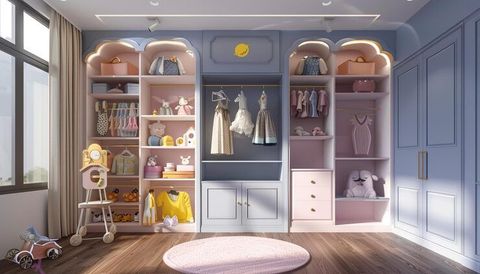
Kids Wardrobe Themes: Design Ideas, Storage and Organization Tips
Updated: November 25, 2026
Read More
Convertible Kids Beds: Types, Safety Standards and Buying Guide
Updated: November 25, 2026
Read More