International Shipping Container Logistics Explore Smarter Cargo Coordination
International shipping container logistics connects manufacturers, exporters, importers, freight forwarders, shipping lines, ports, and inland transport providers across global supply chains.
Moving cargo between countries requires more than reserving space on a vessel. Every shipment depends on coordinated documentation, container availability, customs clearance, transport schedules, and timely communication.
As businesses source materials and distribute products across international markets, disruptions at one stage can affect the entire delivery process. Port congestion, inaccurate paperwork, equipment shortages, and missed connections can create delays even when the ocean voyage itself proceeds as planned.
Understanding international container logistics helps businesses coordinate shipments more effectively, evaluate freight services, and identify opportunities to improve visibility and reliability. A well-organized logistics process aligns cargo movement, documentation, and transportation decisions from origin to final destination.
How International Container Logistics Coordinates Cargo Movement
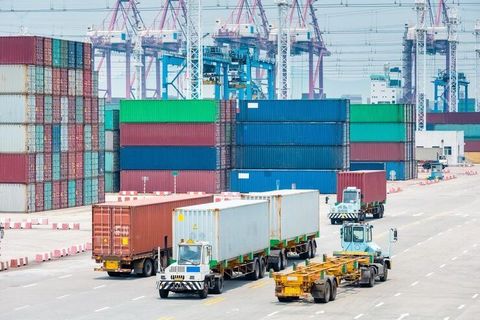
International container logistics involves managing the movement of standardized freight containers through a network of transportation providers and handling facilities. Containers can transfer between ships, trucks, and trains without requiring the cargo to be unloaded at every interchange.
The process typically begins when an exporter or importer arranges transportation and confirms shipment requirements. A freight forwarder may coordinate bookings, documentation, cargo collection, and connections between transport providers, while the shipping line operates the ocean transportation service.
Once cargo is packed and prepared, the container moves toward the export port. Export declarations and other required documents are processed, and the container is delivered for loading according to the shipping schedule. After the vessel reaches the destination port, import procedures, cargo release, and inland delivery must be coordinated.
Each handoff creates an opportunity for delays or communication gaps. Clear responsibilities, accurate shipment information, and realistic schedules help businesses maintain control across the transportation chain.
Choosing the Right Container and Shipping Arrangement
Container selection influences cargo protection, space utilization, handling requirements, and transportation planning. The correct option depends on the dimensions, weight, characteristics, and handling needs of the goods.
Standard dry containers accommodate many packaged products, industrial components, furniture, and general merchandise. Refrigerated containers, commonly called reefers, support temperature-controlled cargo such as certain food products and pharmaceuticals. Open-top and flat-rack containers may be suitable for oversized equipment that cannot be loaded through conventional container doors.
Businesses must also select an appropriate shipping arrangement.
Full Container Load (FCL) generally means one shipper books the use of an entire container for its shipment. It can simplify cargo handling and reduce exposure to mixing goods from multiple shippers, although its suitability depends on shipment volume and operational requirements.
Less than Container Load (LCL) allows cargo from multiple shippers to share container space. It can suit smaller consignments, but consolidation, deconsolidation, and additional handling may affect transit time and cargo risk.
When comparing arrangements, evaluate shipment volume, delivery deadlines, cargo compatibility, handling requirements, and the complete service scope. The lowest quoted freight rate may not represent the most suitable overall arrangement.
Freight Forwarders and Logistics Service Providers
Freight forwarders help businesses organize international shipments by coordinating transportation, documentation, and communication among relevant parties. Depending on the service agreement, they may arrange customs brokerage, cargo insurance, warehousing, consolidation, and inland transportation through their own operations or external partners.
Shipping lines provide ocean freight services, while customs brokers assist with import and export formalities. Third-party logistics providers may combine transportation, storage, distribution, and shipment management within a broader service arrangement.
When evaluating providers, examine their geographic coverage, experience with the cargo type, destination-specific capabilities, communication processes, and ability to manage exceptions. Businesses shipping hazardous materials, temperature-sensitive products, or oversized equipment may need specialized operational expertise.
It is also important to establish which party handles documentation, port charges, customs coordination, container release, and final delivery. Clearly defined responsibilities reduce misunderstandings when schedules change or unexpected charges arise.
Improving Cargo Coordination Through Digital Visibility
Digital logistics systems help businesses coordinate shipment information across multiple providers and transportation stages. Depending on the platform and integrations, these systems may consolidate booking details, container identifiers, estimated arrival times, document status, and delivery milestones.
Container tracking can provide information about a shipment's recorded location or status, while transportation management systems help coordinate freight movements and carrier activities. Supply chain visibility platforms may combine data from shipping lines, terminals, trucking providers, and enterprise systems to create a broader shipment overview.
However, tracking information is only as reliable as its underlying data. Updates may arrive late, integrations may be incomplete, and estimated arrival times can change because of weather, congestion, or operational constraints.
Businesses selecting logistics software should evaluate integration capabilities, data accuracy, exception alerts, reporting, user permissions, and compatibility with existing enterprise resource planning systems. The objective is not simply to display container locations, but to identify disruptions early enough to make useful decisions.
Documentation, Customs, and Regulatory Coordination
International shipments require accurate documentation and compliance with the rules applicable to the origin, destination, cargo, and transportation arrangement. Common documents include the commercial invoice, packing list, bill of lading, and applicable customs declarations. Additional permits or certificates may be required for specific goods.
The bill of lading serves important transportation and cargo documentation functions, with its legal role depending on the document type and arrangement. Incorrect consignee details, inconsistent cargo descriptions, or missing declarations can delay customs processing and cargo release.
Businesses should verify tariff classification, declared shipment values, applicable duties, import restrictions, and documentary requirements before dispatch. Responsibility for preparing and submitting documents should be clearly assigned among exporters, importers, freight forwarders, and customs brokers.
Incoterms rules published by the International Chamber of Commerce can clarify specified responsibilities, costs, and risk transfer between sellers and buyers. They do not replace customs law, the transportation contract, or every other contractual requirement.
Managing Delays, Container Availability, and Shipping Costs
International cargo schedules can be affected by port congestion, vessel changes, severe weather, customs inspections, labor disruptions, and shortages of available containers. These factors can also influence inland transport appointments and warehouse planning.
Businesses can reduce avoidable disruption by building realistic schedule buffers, confirming container availability early, maintaining accurate documentation, and establishing escalation procedures with logistics providers. Critical shipments may require contingency routing or alternative transport arrangements, depending on urgency and feasibility.
A useful freight evaluation considers more than the ocean freight rate. Relevant charges may include origin handling, destination handling, documentation, customs brokerage, storage, demurrage, detention, and inland delivery. Which charges apply depends on the service agreement, location, and circumstances.
Before confirming a shipment, request a clear breakdown of included services, exclusions, applicable surcharges, free-time conditions, and responsibilities for delays. Comparing equivalent service scopes makes provider evaluations more meaningful and reduces the risk of unexpected expenses.
Frequently Asked Questions
What is international shipping container logistics?
It is the coordination of containerized cargo across international transportation networks, including ocean freight, ports, customs procedures, and inland delivery. It involves managing transportation, documentation, equipment, schedules, and communication between participating organizations.
How can businesses improve container shipment visibility?
Businesses can use container tracking, carrier integrations, shipment management platforms, and automated milestone alerts. Accurate data, consistent status updates, and clear exception-management procedures are necessary to turn visibility into useful operational decisions.
What is the difference between FCL and LCL shipping?
FCL generally involves booking an entire container for a shipment, while LCL consolidates cargo from multiple shippers in one container. The appropriate option depends on shipment volume, handling requirements, delivery schedules, and the complete transportation arrangement.
How should a business evaluate a freight forwarder?
Evaluate service coverage, cargo expertise, documentation support, communication quality, tracking capabilities, and the provider's approach to delays and exceptions. Compare the complete service scope and applicable charges rather than selecting a provider solely by its initial freight quotation.
Conclusion
International shipping container logistics depends on effective coordination among transportation providers, ports, customs authorities, and businesses. Appropriate container selection, accurate documentation, reliable service partners, and useful digital visibility all contribute to more predictable cargo movement.
By clarifying responsibilities, evaluating complete freight arrangements, and preparing for disruptions, businesses can make better logistics decisions and improve the reliability of their international supply chains.

Related Post...
Intermodal Freight Transportation Operations: Explore How Cargo Moves Across Modes
Updated: October 01, 2026
Read More
Hazardous Chemical Bulk Transportation: Explore Safe Cargo Handling Procedures
Updated: October 01, 2026
Read More
Industrial Production Automation Integration: Explore Connected Manufacturing Workflows
Updated: October 01, 2026
Read More